



Facebook Changes its Subscribe Button to Follow
2 mins read
Facebook will no longer ask users to “Subscribe”, instead it opts to change to “Follow”. The subscribe button that people have placed on their websites will now appear as follow buttons. This change will be reflected on the profile pages of all users who have enabled the subscribe feature.

As reported by The Verge, a statement made by the company said, “Starting today we are updating the term “Subscribe” to become “Follow” across the site as we found it is a term that resonates better with people on the service. Nothing is changing about how the feature works.”
Facebook launched the subscribe button, earlier in September 2011. This feature allows users to have a complete control over what friends share. Users are able to follow other people without needing to add them to the friends list. For many people subscribing sounds like asking for a magazine/newsletter subscription. When users click the follow button on someone’s Facebook page, they will be able to view their public updates in their News Feed.
The subscribe(now follow) has always been a one-sided feature. Facebook has captured the term “follow” from Twitter, Tumblr, and other web services.



![The Game Marketing Guide: Pre and Post-Launch Strategies [Infographic]](https://www.dotcominfoway.com/wp-content/uploads/2023/09/DCI-Game-Marketing-blog-1.jpg)
Latest Posts
 September 18, 2026
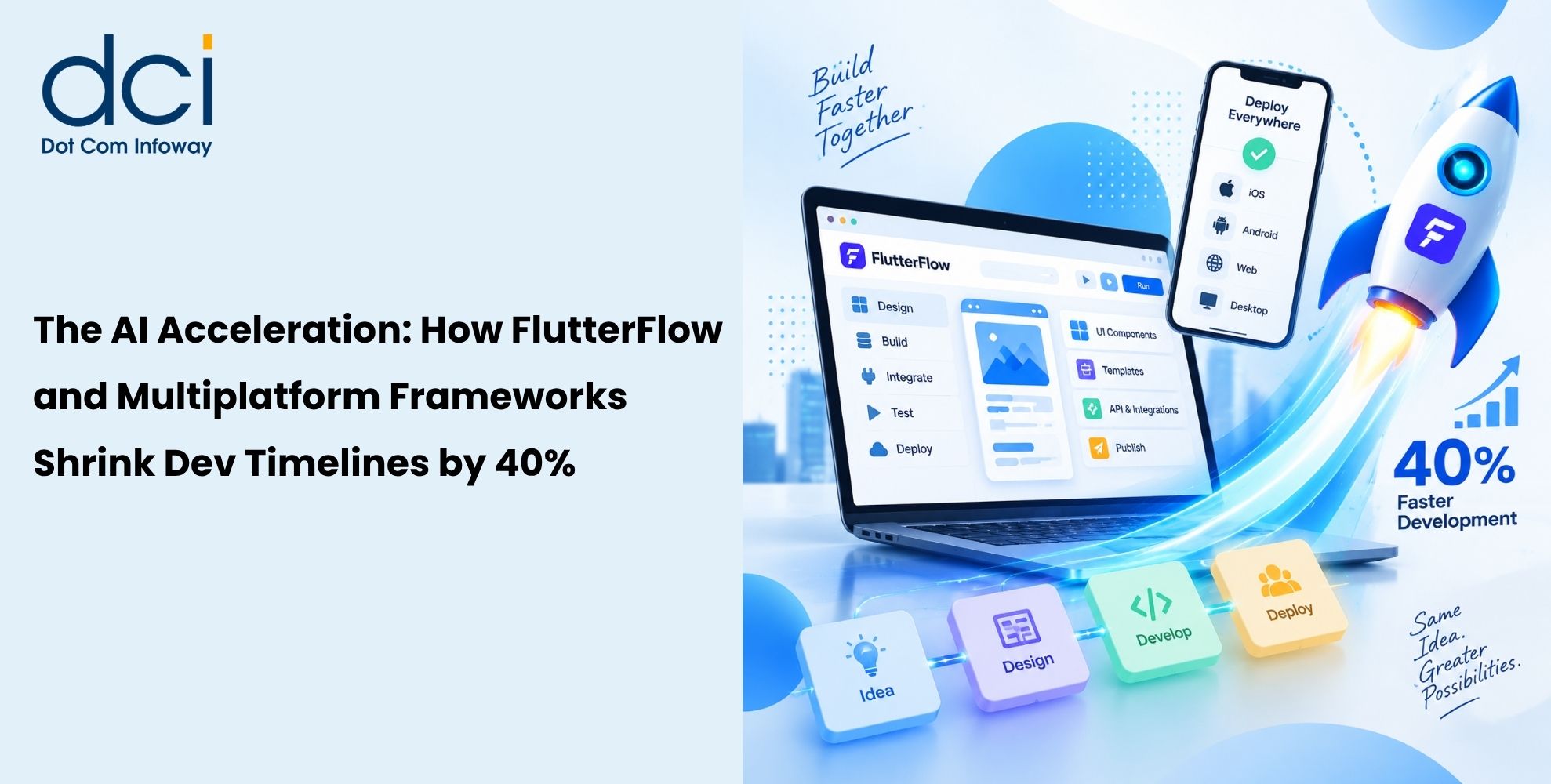
The AI Acceleration: How FlutterFlow and Multiplatform Frameworks Shrink Dev Timelines by 40%
The mobile app development landscape is changing faster than ever. Businesses today need powerful digital products delivered quickly, but traditional development processes often involve long coding cycles, separate teams for different platforms, and higher development costs. The rise of AI-powered...
 September 16, 2026
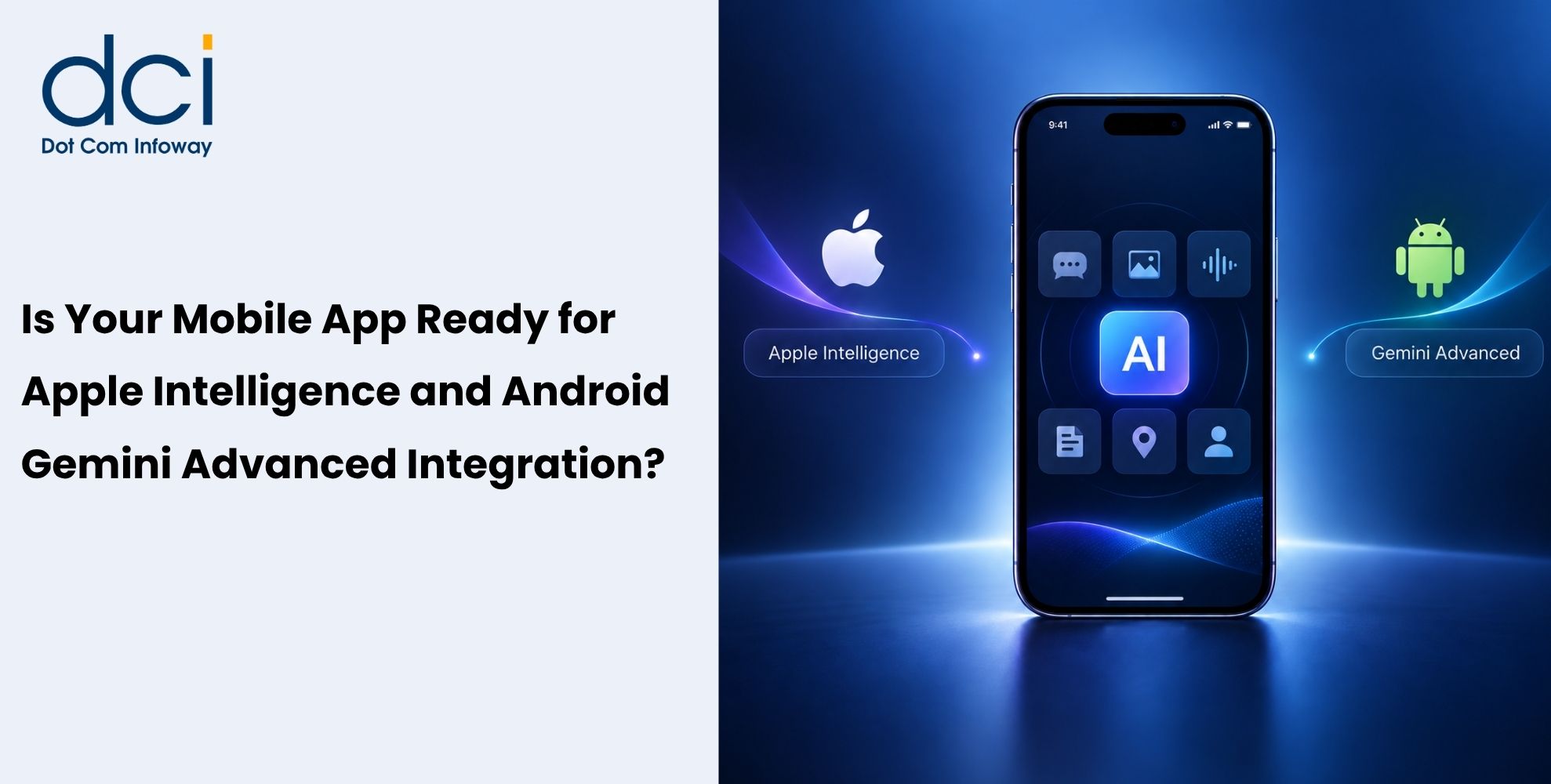
Is Your Mobile App Ready for Apple Intelligence and Android Gemini Advanced Integration?
The mobile industry is moving from traditional application experiences toward intelligent, adaptive platforms. Businesses today need AI-ready mobile apps that can support emerging technologies like Apple Intelligence and Android Gemini Advanced to deliver faster, smarter, and more personalized user...
 September 14, 2026
Low App Downloads Despite Good Reviews: Development and ASO Issues to Fix
An application can receive excellent ratings, positive customer feedback, and strong user satisfaction but still struggle to attract new users. Low app downloads despite good reviews is a challenge many businesses face after launching their mobile applications. While reviews...
 September 10, 2026
How Apple’s New A20 Pro Chip Reshapes Mobile App Performance Capabilities
The Apple A20 Pro chip changes what product teams can reasonably ask an iPhone app to do in real time. Built on a 2-nanometer process, the processor combines a six-core CPU, seven-core GPU, integrated Neural Accelerators, a dual 16-core...
 September 09, 2026
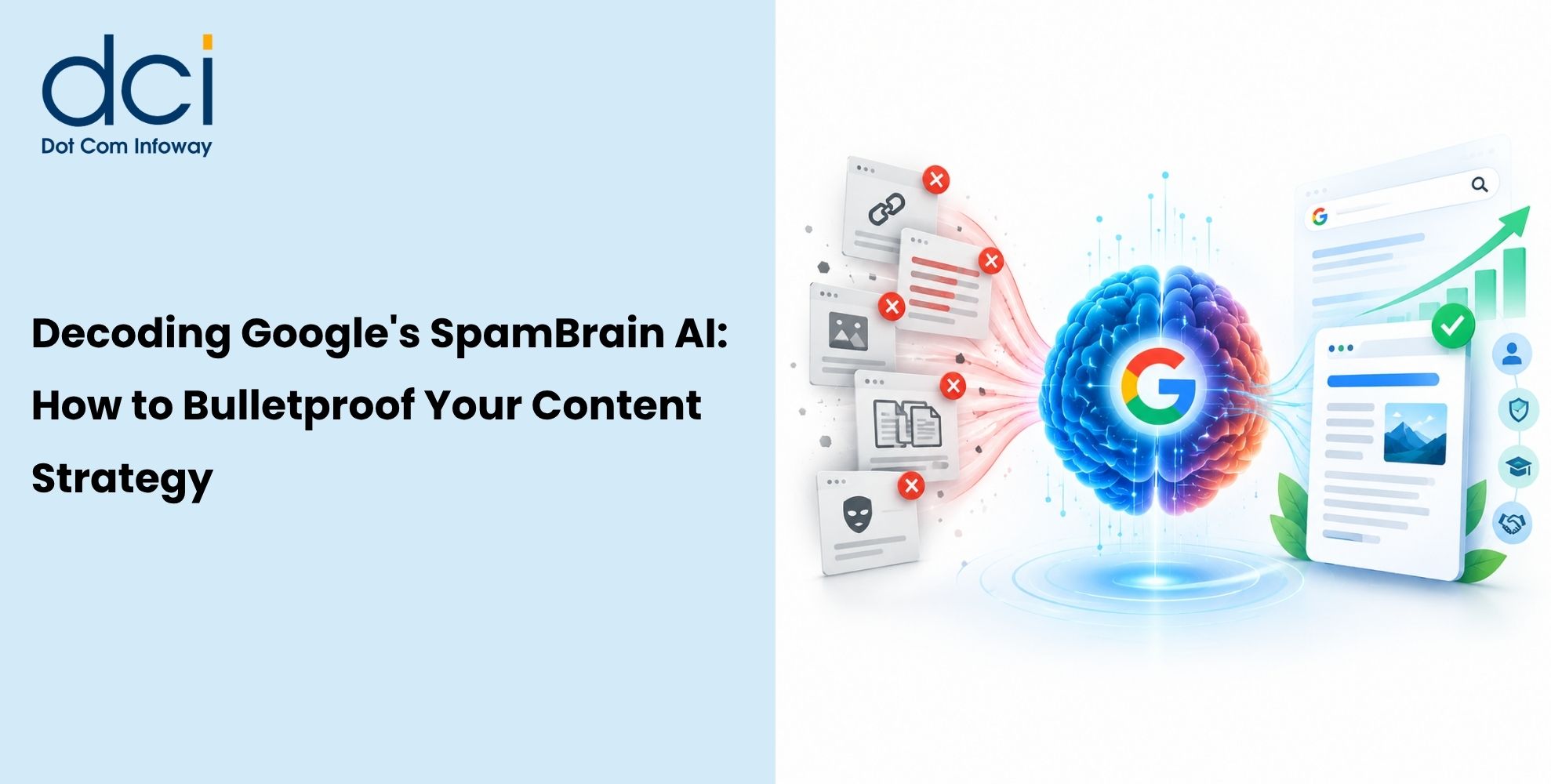
Decoding Google’s SpamBrain AI: How to Bulletproof Your Content Strategy
SEO has changed significantly over the years. Search engines no longer evaluate content only based on keywords, backlinks, or publishing frequency. Today, factors such as content quality, expertise, originality, and user satisfaction play a major role in determining search...
 September 07, 2026
The E-E-A-T Audit Checklist: Reviving Traffic After a Core Algorithmic Hit
When organic sessions decline after a broad Google update, an E-E-A-T audit checklist gives businesses a structured way to separate correlation from cause. Traffic is rarely restored by inserting more keywords, increasing word count, or changing publication dates. Sustainable...
 August 27, 2026
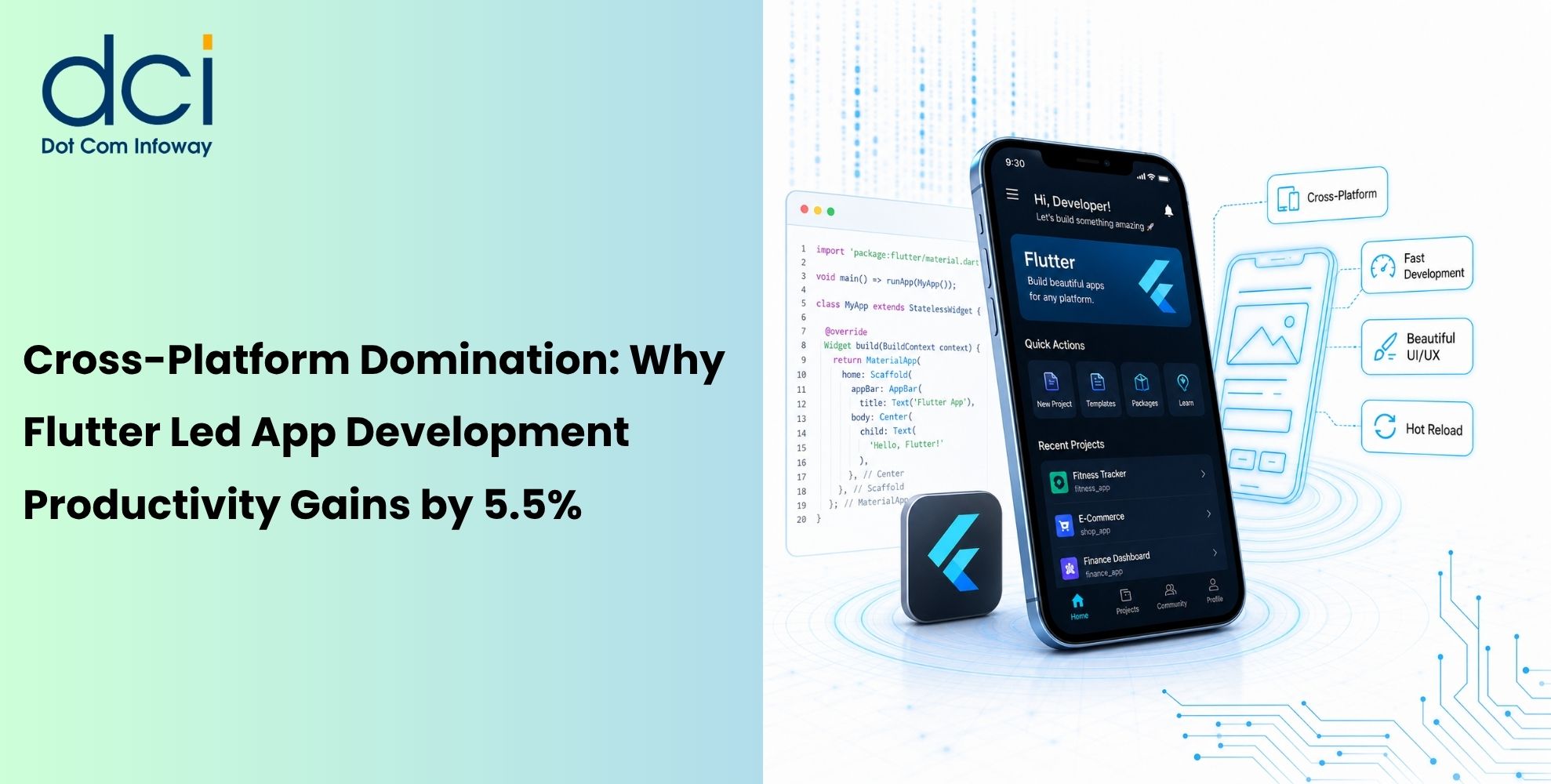
Cross-Platform Domination: Why Flutter Led App Development Productivity Gains by 5.5%
Flutter app development productivity is becoming a strategic priority for businesses that need consistent applications across Android, iOS, web and desktop. While the headline’s 5.5% figure should be viewed as a conservative productivity benchmark rather than a verified Flutter-specific...
 August 24, 2026
GEO Frameworks: How to Rank on AI Search as Zero-Click Results Hit 69%
Search is moving beyond traditional results pages. Users now ask complete questions through ChatGPT, Perplexity, Gemini, and Google AI Overviews, expecting direct and reliable answers. This shift means brands must optimise content not only for rankings but also for...
 August 21, 2026
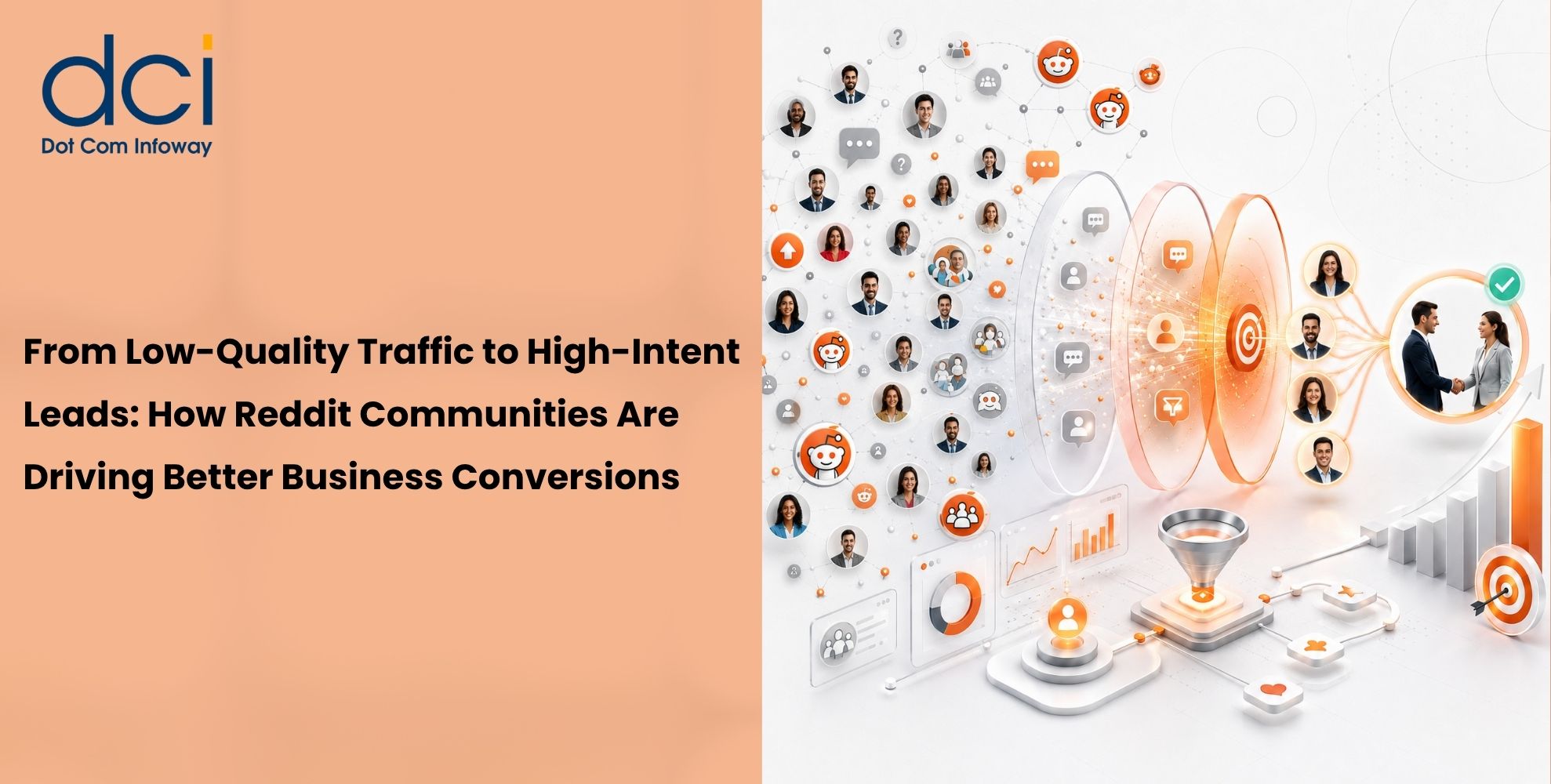
From Low-Quality Traffic to High-Intent Leads: How Reddit Communities Are Driving Better Business Conversions
Generating traffic is easy; attracting qualified enquiries and sales is harder. Many businesses gain visitors through social media campaigns, but low interest often results in quick exits and few conversions.Reddit offers a more focused opportunity. Users join specialised communities...
 August 19, 2026
How AI Search Is Becoming the Next Major App Acquisition Channel
App discovery is moving beyond app-store search and paid campaigns. Users increasingly ask ChatGPT, Gemini, Perplexity, and Google’s AI experiences to compare tools, recommend apps, and narrow choices before visiting the App Store or Google Play. This makes AI...
Get the latest insights from Dot Com Infoway straight to your inbox.