What SEO in 2026 Really Means
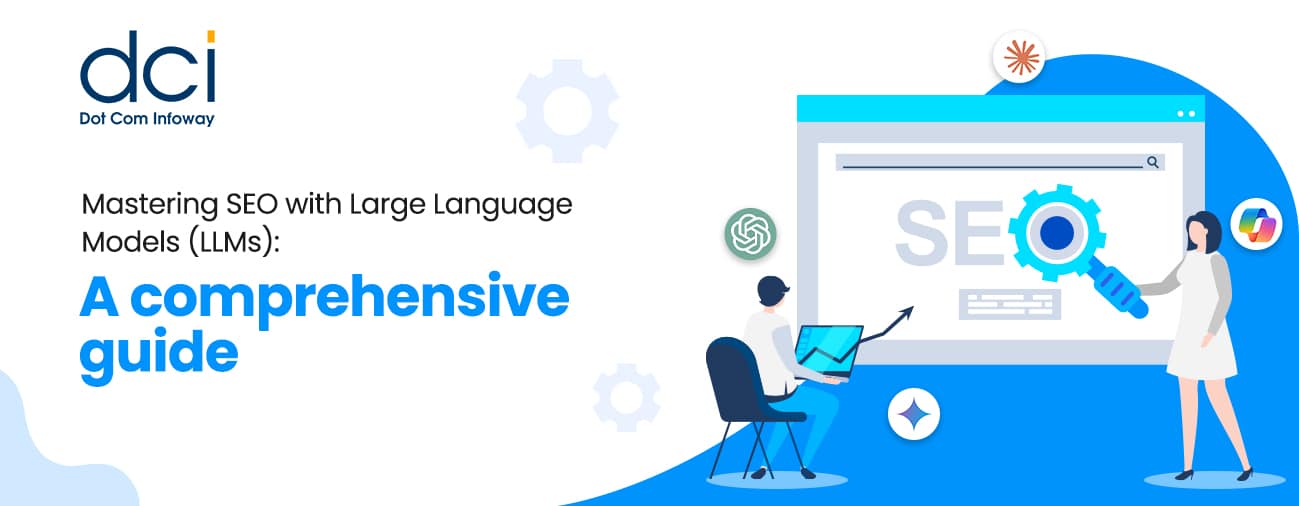
SEO is no longer just about keywords and backlinks. In 2026, it’s about optimizing for traditional search engines and AI-powered systems simultaneously. Platforms such as Google, OpenAI, Perplexity AI, and DeepSeek are reshaping discovery.
Instead of returning ten blue links, search engines increasingly provide AI-generated summaries. These responses extract information from trusted, well-structured content. If your website isn’t optimized for AI comprehension, it may never be included in those answers – even if it technically ranks.
That’s why SEO in 2026 involves two parallel goals: ranking in SERPs and earning citations in AI-generated responses. According to reporting from Search Engine Journal, AI-driven search experiences are significantly impacting click-through rates, particularly for informational queries. The opportunity, however, lies in brand exposure within those AI summaries. Visibility is evolving from clicks to contextual inclusion.
The Rise of AI Mode and Generative Search
AI Mode interfaces are transforming how users interact with search. Instead of typing fragmented keywords like “best SEO tips 2026,” users now ask conversational questions such as, “How can I rank my website in AI search results quickly?” Search engines interpret intent more deeply than ever.
Generative search tools analyze entities, structure, and context. They prefer content that clearly defines concepts, provides structured headings, and includes verifiable data. Pages that are vague, keyword-heavy, or overly promotional are often ignored.
This is where Generative Engine Optimization (GEO) becomes critical. GEO ensures your content is structured in a way that AI systems can understand, summarize, and cite accurately. Without this layer, your strategy remains incomplete.
Why Structured Content Dominates in 2026
AI systems are designed to extract clear, well-organized information. That means formatting matters more than ever. Proper H1 and H2 hierarchies, direct definitions, concise paragraphs, and contextual relevance all influence whether your content is included in AI responses.
For example, when someone searches “What is SEO in 2026?”, AI engines prioritize pages that provide a precise definition early in the content. If the explanation is buried or overly complex, your chances of citation drop.
Structured data markup, FAQ schema, and semantic clarity increase machine readability. Technical optimization and content architecture now directly influence discoverability. In many cases, structured clarity can outperform sheer backlink volume.
Data-Driven Trends Shaping SEO in 2026
Several measurable shifts define today’s search landscape. Zero-click searches have increased dramatically, particularly for informational queries. Users often receive complete answers directly in search results, reducing the need to visit a website. At the same time, conversational queries have grown longer and more specific, reflecting voice search and AI-assisted browsing patterns.
Topical authority now outweighs isolated keyword optimization. Search engines favor comprehensive content clusters that demonstrate expertise across related topics. Instead of writing a single blog post about AI search optimization strategies, high-performing websites build interconnected resources covering AI Mode SEO, generative engine optimization strategies, zero-click search optimization, and LLM SEO best practices.
These shifts redefine what success looks like. SEO in 2026 is less about chasing individual keywords and more about building authoritative digital ecosystems. Implementing a strong SEO strategy that integrates AI, GEO, and structured content is now essential for ranking and visibility.







![The Game Marketing Guide: Pre and Post-Launch Strategies [Infographic]](https://www.dotcominfoway.com/wp-content/uploads/2023/09/DCI-Game-Marketing-blog-1.jpg)