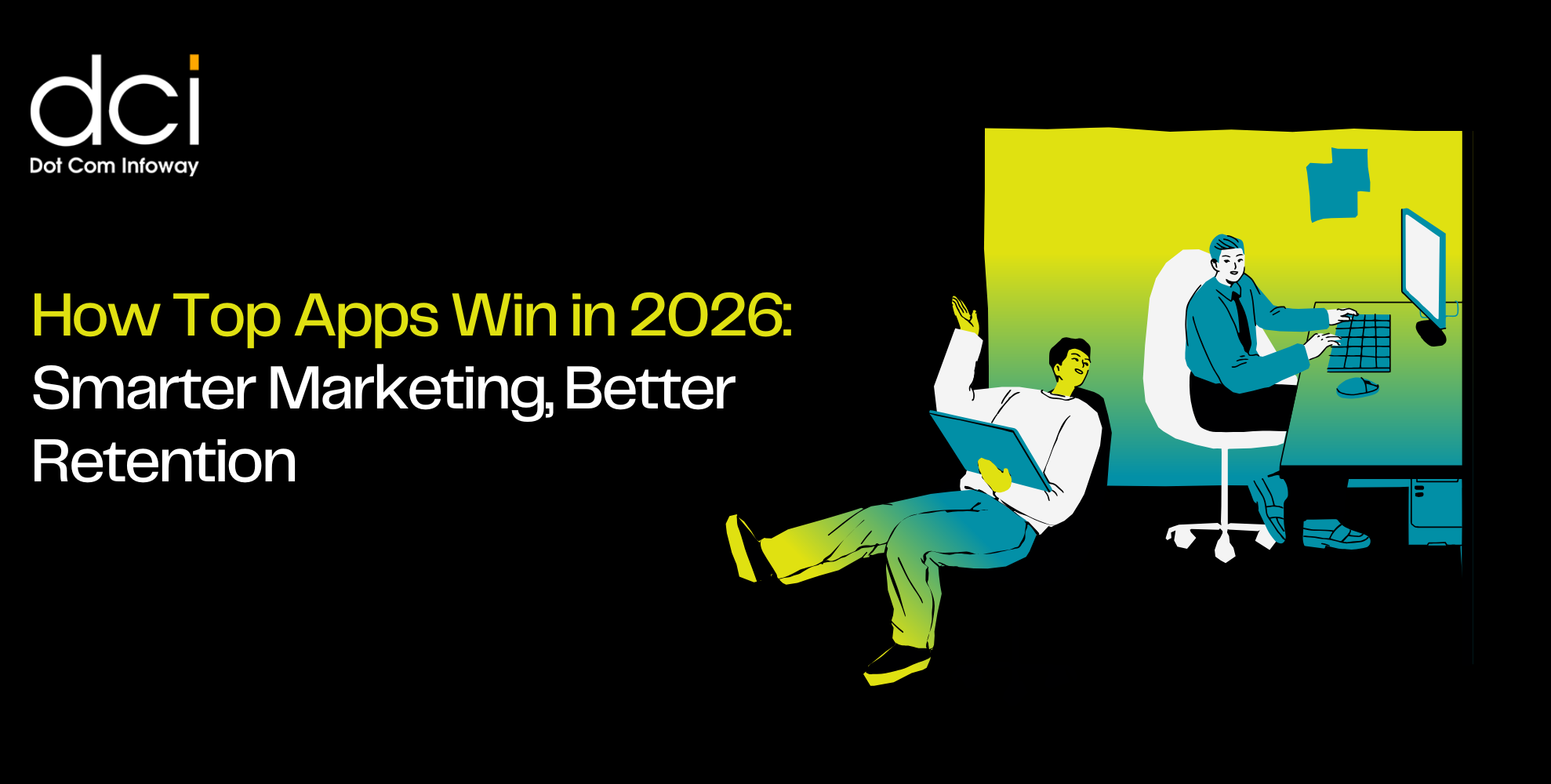
The New Growth Mindset From Installs to Lifetime Value
There was a time when success meant reaching one million downloads. In 2026, that number alone means nothing if users uninstall the app within days. Reports indicate that nearly 40% of users delete an app within 30 days if they don’t see clear value (ZipDo, 2026). Rising acquisition costs make this even more critical. Spending heavily to acquire users who churn quickly is no longer sustainable.
The most successful apps have shifted their mindset. They no longer optimize for cost-per-install. Instead, they optimize for lifetime value (LTV). They understand that improving retention by just a small percentage can significantly increase profitability a widely cited retention principle showing that a 5% increase in retention can raise profits by 25% to 95%.
This shift has elevated the importance of performance-focused App Marketing services, which integrate acquisition, onboarding, engagement, and analytics into one unified strategy. Growth is no longer a funnel. It’s a lifecycle.
Smarter Marketing Acquiring Users Who Actually Stay
AI-Powered Acquisition in 2026
Artificial intelligence has transformed how apps attract users. Instead of broad targeting, leading brands now use predictive models to identify audiences most likely to engage long term.
Mobile marketing investments continue to rise globally (SQ Magazine, 2026), but smarter targeting ensures that spending drives sustainable returns. AI systems now analyze behavioral signals, creative engagement patterns, demographic indicators, and early in-app behavior to predict churn probability.
This means marketing teams can prioritize users who are statistically more likely to stay. Advanced App Marketing services use machine learning to optimize campaigns toward retained-user metrics, not just installs. This dramatically improves return on ad spend and reduces waste.
In 2026, smart acquisition isn’t about reaching more people. It’s about reaching the right people.
App Store Optimization as a Conversion Engine
Organic discovery remains one of the most powerful growth channels. Some studies estimate that up to 70–80% of installs originate from organic search and app store browsing (ZipDo, 2026). However, visibility alone isn’t enough.
Top apps treat their app store listings like high-converting landing pages. Every screenshot is designed to communicate value instantly. Preview videos demonstrate transformation. Descriptions are structured around benefits rather than features. Professional App Marketing services continuously test metadata, optimize keyword strategies, and refine visual storytelling to improve install-to-active-user conversion rates.
ASO (App Store Optimization) in 2026 is not just about ranking. It’s about persuasion.
Better Retention Where Real Growth Happens
Acquisition gets attention. Retention builds empires. The harsh reality is that average Day-30 retention across many industries remains in the single digits. This is why top apps obsess over the first user experience.
Onboarding That Creates Immediate Impact
Research shows that personalized onboarding experiences can improve retention by 20–35% compared to generic flows (Yield Solutions, 2026). That difference alone can determine whether an app scales or stagnates.
Winning apps focus on delivering immediate value. Instead of overwhelming users with features, they guide them toward one meaningful action that creates momentum. Whether it’s completing a workout, sending a message, or tracking an expense, that first success builds a habit.
The most effective App Marketing services ensure alignment between acquisition messaging and onboarding experience. If an ad promises simplicity, the first in-app interaction must deliver it. Consistency builds trust. Trust builds retention.
Lifecycle Marketing & Predictive Engagement
Retention does not stop after onboarding. It evolves into intelligent lifecycle engagement. AppsFlyer reports that remarketing campaigns account for nearly 29% of total app conversion performance. This demonstrates the power of re-engaging existing users rather than constantly chasing new ones.
Top apps use predictive churn models to identify when users are likely to disengage. Instead of sending mass push notifications, they send contextual, behavior-based messages at optimal times.
Modern App Marketing services integrate CRM systems, AI segmentation, push notifications, in-app messaging, and email automation into one coordinated engagement strategy. The result is fewer but smarter interactions and stronger long-term engagement.





![The Game Marketing Guide: Pre and Post-Launch Strategies [Infographic]](https://www.dotcominfoway.com/wp-content/uploads/2023/09/DCI-Game-Marketing-blog-1.jpg)