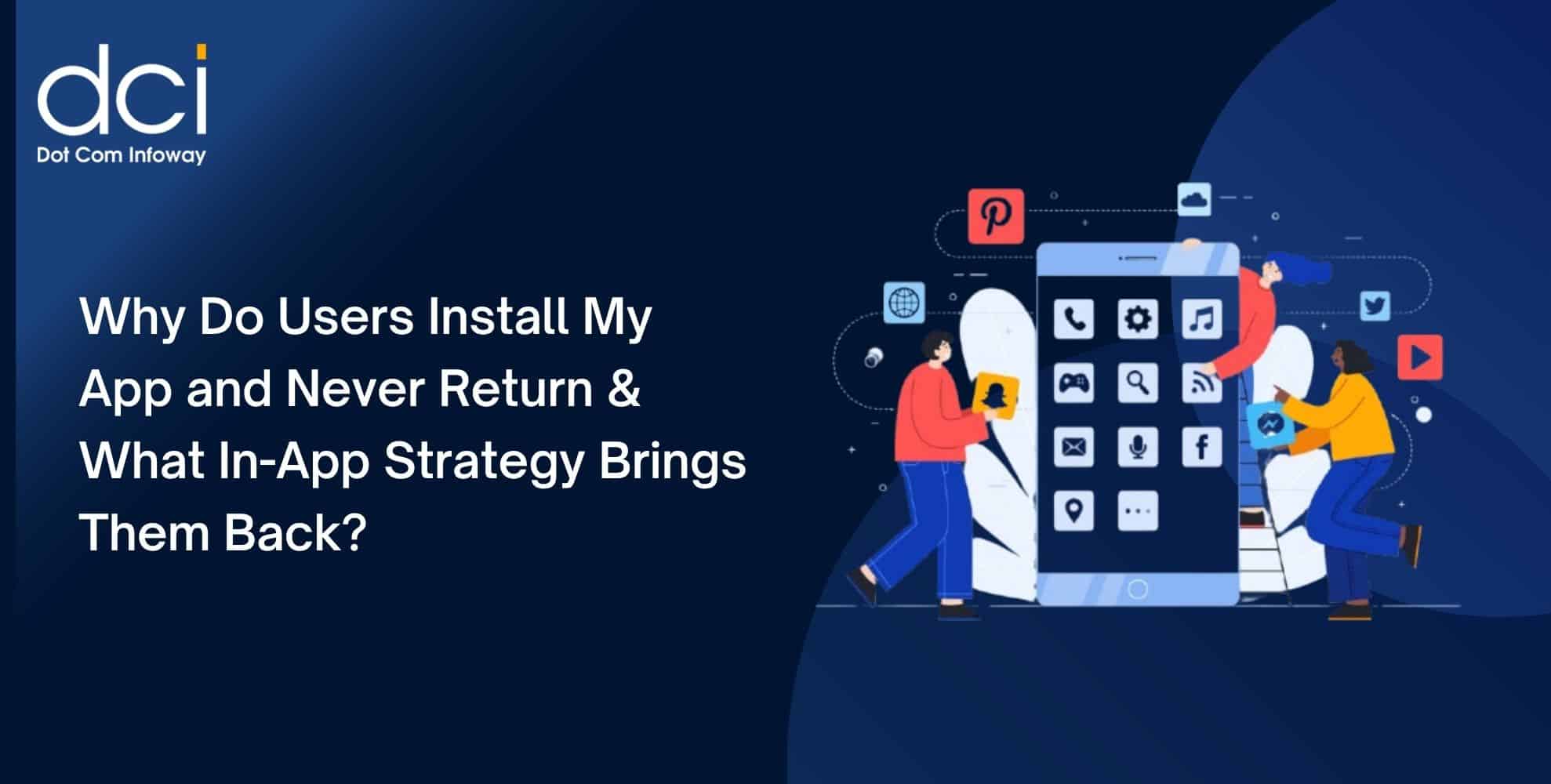
Why Users Drop Off After Installing an App
User churn is often the result of experience gaps rather than lack of functionality. Understanding these gaps is essential for improving retention.
Weak First-Time Experience
The first interaction defines user perception. If onboarding is complex or unclear, users disengage immediately. This demonstrates how onboarding impacts app retention, as users need quick guidance to understand the app’s value.
No Immediate Value Delivery
Users expect instant results. When apps fail to deliver value within the first session, they are quickly abandoned. Research indicates that around 77% of users churn within the first 3 days (Source: https://unstar.app/blog/mobile-app-retention-strategies-reduce-churn).
Generic User Experience
A one-size-fits-all experience reduces relevance. Users expect personalization based on their behavior and preferences. This is where how app personalization reduces churn rate becomes critical for engagement.
Lack of Ongoing Engagement
Many apps fail to maintain communication after installation. Without timely reminders or updates, users forget the app. The absence of effective app re-engagement strategies leads to missed opportunities.
Performance Friction
Slow load times, crashes, and poor navigation create negative experiences. Even small delays can impact engagement and increase uninstall rates.
The Real Cost of Low Retention
Low retention directly affects business performance. High install numbers may look positive, but without engagement, they do not translate into revenue.
Retention has a strong financial impact. Studies show that improving retention by just 5% can increase profits by 25% to 95% (Source: https://unstar.app/blog/mobile-app-retention-strategies-reduce-churn).
Apps with poor retention typically face:
- High customer acquisition costs
- Low lifetime value (LTV)
- Reduced app visibility in stores
- Limited organic growth
What Actually Brings Users Back to Your App
Retention improves when apps consistently deliver value and create meaningful user experiences.
Onboarding That Drives Early Success
Key Focus Areas
- Guide users to complete a key action quickly
- Reduce friction during signup
- Highlight immediate benefits
A strong onboarding experience ensures users understand the app’s value early, reinforcing how onboarding impacts app retention.
Personalization That Increases Relevance
Key Approaches
- Behavior-based recommendations
- Dynamic content feeds
- Contextual notifications
These approaches show how app personalization reduces churn rate, as users are more likely to engage with relevant content.
Re-Engagement That Feels Timely
Effective Tactics
- Reminders for incomplete actions
- Notifications based on inactivity
- Personalized offers
Well-executed app re-engagement strategies significantly improve return rates compared to generic messaging.
Habit-Driven Engagement Models
Features such as rewards, streaks, and progress tracking encourage repeat usage. Over time, this builds user habits and increases retention naturally.
Continuous Experience Optimization
Apps that monitor user behavior and continuously refine the experience see stronger results with App User Retention Strategies. Identifying drop-off points and optimizing them is essential for long-term engagement.
Proven Ways to Improve App User Retention
Retention requires a combination of strategies that focus on user experience and engagement.
Key Retention Drivers
- Deliver value within the first session
- Reduce time-to-value for new users
- Maintain consistent engagement through updates
- Use personalization to improve relevance
- Implement lifecycle-based communication
These are widely recognized as proven ways to improve app user retention across industries.








![The Game Marketing Guide: Pre and Post-Launch Strategies [Infographic]](https://www.dotcominfoway.com/wp-content/uploads/2023/09/DCI-Game-Marketing-blog-1.jpg)