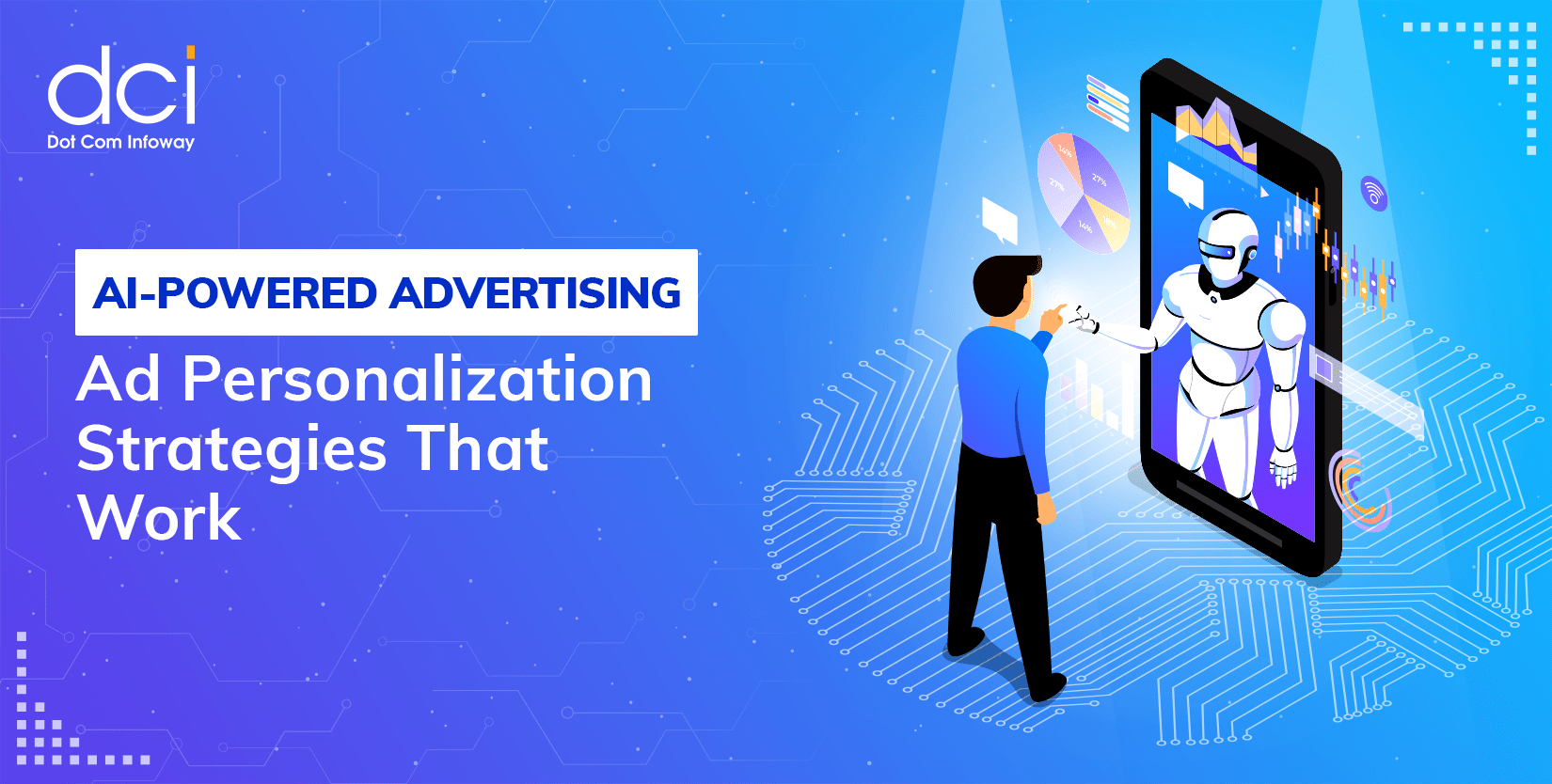
The Science Behind AI Ad Personalization
Modern AI ad personalization operate through sophisticated algorithms that go far beyond basic demographic targeting. These systems analyze thousands of data points in real-time, from browsing behavior and purchase history to current context and emotional state.
The foundation rests on three core techniques: content-based filtering recommends ads similar to products users have previously engaged with, while collaborative filtering predicts interests by analyzing patterns of similar users. Predictive advertising analytics then anticipates future behavior through pattern recognition.
Netflix exemplifies this approach perfectly. Their recommendation engine processes over 1 billion hours of viewing data daily, enabling real-time ad optimization that adapts creative content based on individual viewing patterns, time of day, and device usage. The result? A 75% increase in content engagement compared to generic recommendations.
“AI personalization isn’t just about showing different products: it’s about understanding intent and delivering the perfect message at the perfect moment,” says Sarah Chen, Director of Digital Strategy at Netflix.
Programmatic Ads Personalization at Scale
Programmatic ads personalization has evolved from simple audience targeting to dynamic creative optimization that adjusts thousands of elements per second. Google’s Performance Max campaigns now automatically test headline variations, image combinations, and call-to-action buttons across millions of users simultaneously.
The power lies in real-time decision-making. When someone searches for “running shoes,” AI systems instantly analyze their search history, location, weather conditions, and previous purchase behavior to determine whether they’re a casual jogger or serious marathon runner. The creative, pricing, and product recommendations adjust accordingly.
Coca-Cola’s recent campaign demonstrates this sophistication. Their AI system analyzed social media sentiment, weather patterns, and local events to dynamically adjust ad messaging. In hot weather, they promoted ice-cold refreshment. During sports events, they emphasized energy and celebration. The result was a 40% improvement in engagement rates compared to static campaigns.
Machine Learning Ad Targeting Strategies
Machine learning ad targeting moves beyond traditional demographics to behavioral prediction. These algorithms identify micro-moments when users are most likely to convert, then trigger perfectly timed ads across multiple channels.
Meta’s Advantage+ campaigns exemplify this approach. The platform analyzes over 2,000 data points per user to predict purchase intent. When someone shows high intent signals, like repeated product views, cart additions, or price comparisons, the algorithm automatically increases bid aggressiveness and serves more compelling creative variations.
Key implementation strategies include:
• Intent-based segmentation: Group audiences by purchase intent rather than demographics
• Cross-device tracking: Follow users across smartphones, tablets, and desktops for unified experiences
• Behavioral triggers: Automatically adjust messaging based on specific actions or inactions
• Lookalike modeling: Find new customers who mirror your best existing customers
Creative AI Advertising That Converts
Creative AI advertising has revolutionized content production, enabling brands to generate thousands of ad variations tailored to individual preferences. OpenAI’s latest tools can create compelling ad copy, generate custom images, and even produce personalized video content at scale.
Duolingo’s AI-powered creative strategy showcases this potential. Their system generates over 10,000 unique ad variations monthly, each tailored to specific learning goals, proficiency levels, and cultural contexts. Spanish learners see vacation-themed content, while business professionals receive career-focused messaging. This personalized approach resulted in a 65% increase in app downloads.
The technology extends to video personalization. Dynamic video platforms now insert individual names, locations, and product preferences into video ads automatically. Imagine receiving a video ad that shows your name on a custom product, filmed in your city, addressing your specific needs. This level of personalization drives emotional connection and significantly higher conversion rates.
Advanced Targeting Through Predictive Analytics
Predictive advertising analytics leverage machine learning to forecast customer behavior before it happens. These systems identify users likely to churn, predict lifetime value, and determine optimal timing for upsell campaigns.
Amazon’s advertising platform demonstrates this sophistication through predictive product recommendations. Their algorithm analyzes purchase patterns, seasonal trends, and external factors like weather or events to predict what customers will need before they realize it themselves. Prime Day campaigns leverage this intelligence to pre-position inventory and target users with products they’re statistically likely to purchase.
The implementation requires robust data infrastructure. First-party data collection through website analytics, CRM systems, and customer surveys provides the foundation. Machine learning models then identify patterns and correlations that humans might miss, enabling increasingly accurate predictions over time.







![The Game Marketing Guide: Pre and Post-Launch Strategies [Infographic]](https://www.dotcominfoway.com/wp-content/uploads/2023/09/DCI-Game-Marketing-blog-1.jpg)