Why a Highly Rated App Can Still Lose Installs
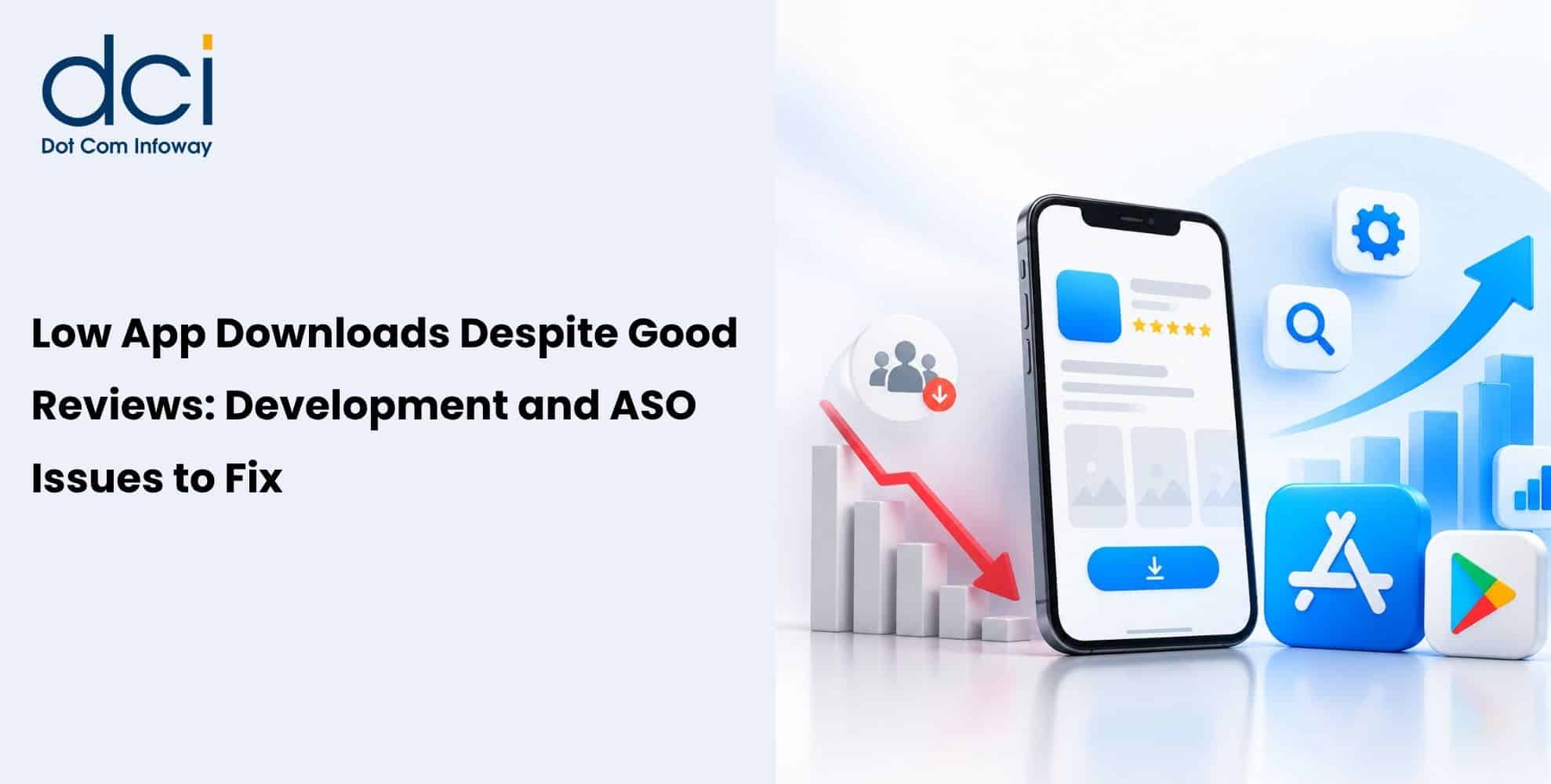
Users often evaluate the icon, title, rating, screenshots, and short description before reading detailed reviews.
A strong rating answers, “Can I trust this app?” The listing must answer, “Is this app relevant to me?”
Traffic analysis showed that the app was already receiving meaningful product-page visits. Weak conversion-not insufficient traffic-was limiting growth.
Five critical weaknesses emerged.
1. Broad Keywords Attracted Low-Intent Users
The app ranked for high-volume category terms that did not accurately represent its strongest use case.
For example, a platform that helps freelancers manage invoices, expenses, and tax records may rank for “finance app.” However, this broad term also attracts people searching for banking, investments, lending, or personal budgeting.
A phrase such as “freelance expense tracker” may produce fewer impressions but attract users with a stronger reason to install.
The audit found that broad terms generated more visits but lower conversion. Specific, task-oriented phrases brought less traffic but more qualified users.
The metadata was reorganised around category relevance, important features, and user problems. Language found in positive reviews was also incorporated into the title, subtitle, and description.
Effective keyword optimization must therefore consider search intent and conversion potential rather than search volume alone.
Optimizing the App Listing for Higher Conversions
2. The First Screenshot Was Too Generic
The first screenshot featured the headline, “Manage Everything in One Place.”
Although visually polished, the message did not identify the intended user, define the main problem, or differentiate the app from competing products.
The screenshot sequence was rewritten to communicate practical value immediately.
“Advanced Dashboard” became:
“See Every Deadline Before It Causes a Delay.”
“Smart Expense Management” became:
“Track Business Expenses Before Tax Season Becomes a Problem.”
The revised screenshots answered three questions:
- What does the app help users accomplish?
- What practical benefit will they receive?
- Why is the product worth installing?
A structured ASO checklist can help teams evaluate screenshots, metadata, reviews, localisation, and conversion elements together.
3. The Listing Ignored Review-Based Proof
The app’s reviews contained valuable conversion insights, but the original listing did not use them.
Three benefits appeared repeatedly:
- Fast setup
- Less repetitive administrative work
- Responsive customer support
However, the listing mainly discussed dashboards, integrations, and automated reports.
The revised copy introduced statements such as “Set up in minutes,” “Reduce repetitive admin work,” and “Get support when you need it.”
These claims were more persuasive because they reflected recurring customer experiences rather than generic promotional language.
Reviews should be analysed as customer research. They reveal product strengths, common objections, user priorities, and the language customers associate with value.
This review-led approach strengthens App Store Optimization by connecting store messaging with genuine customer experiences.
Aligning Marketing, Measuring Performance, and Driving Better Installs
4. Paid Ads and Store Messaging Did Not Match
Paid campaigns promoted collaboration, expense tracking, productivity, and business reporting. However, every campaign directed users to the same generic store page.
A freelancer clicking an expense-tracking advertisement saw enterprise reporting screenshots. A user interested in team collaboration reached a listing focused on individual productivity.
The advertisement generated interest, but the destination page did not continue the same message.
Audience-specific listing variations were introduced. Freelancers saw messaging about expenses, simplicity, and time savings. Agency users saw benefits related to approvals, deadlines, and team visibility.
Localised screenshots and descriptions were also developed for markets generating high traffic but weak conversion.
A connected mobile app marketing approach should maintain consistency across advertising, store listings, onboarding, and post-install engagement.






![The Game Marketing Guide: Pre and Post-Launch Strategies [Infographic]](https://www.dotcominfoway.com/wp-content/uploads/2023/09/DCI-Game-Marketing-blog-1.jpg)