In today’s competitive app market, getting users to download your app is only half the battle keeping them is the real challenge. With millions of apps competing for attention, users are quick to uninstall anything that fails to deliver value, performance, or trust. This infographic explores the most common reasons users remove apps, backed by recent statistics, and highlights key trends in uninstall behavior across categories. It also outlines practical strategies brands can implement to reduce churn, boost retention, and transform one-time downloads into long-term, loyal users.
Solve the Mystery Once and For All!
Talk to our marketing experts to learn why your users are deleting your app from their phones.
32% of users uninstall apps that don’t deliver enough value or meet their expectations.
PERFORMANCE
App uses too much CPU or device resources
Drains battery faster than expected
Stores/cache data excessively
Takes too long to load or respond
53% of users abandon or uninstall apps due to slow loading and poor performance.
TRUST & PRIVACY
App flagged as malware or unwanted by other software
Works only on fast networks (poor offline/low-signal experience)
Requires too many permissions (especially on social networks)
Sends invites or shares without the user’s knowledge
Developer remains unresponsive when a user reports a problem
43% of users uninstall an app if it requires too many permissions or access to personal information.
STATISTICS (2023-2025)
More than 1 in every 2 apps are uninstalled within 30 days of download.
On Android, the average uninstall rate within 30 days in 2024 was ~ 46.1%.
On average across platforms: Day 1 retention ~21% (Android) & ~24% (iOS); by Day 30 as low as ~2–4%.
32% of users say freeing up storage is a reason for deleting apps.
30% of users uninstall apps because of too many in-app ads.
17% of users decide to uninstall after the first use.
Other key reasons: poor onboarding/sign-in experience, excessive permissions, large app size, slow performance.
APP RETENTION RATE BY CATEGORY (Recent Trends)
For many apps: retention after 30 days is extremely low (often <5%).
In 2024, categories with highest uninstall rates: Dating & Gaming.
APP DESIGN STRATEGIES TO AVOID UNINSTALLATIONS
Make sure your app delivers value quickly users decide fast.
Ensure onboarding is simple, intuitive and shows the benefit immediately.
Optimize for performance: fast load times, minimal crashes, efficient resource usage.
Request only essential permissions, and clearly explain why you need them.
Keep the app size/update size manageable, and support offline or low-network mode where relevant.
Be mindful of ads & notifications: they should add value, not annoy.
Stay responsive to user feedback, bugs and support queries — trust matters.
Localize your app for multiple languages/regions if you target global audiences.
Conclusion
High uninstall rates show that users now prioritize value, performance, and trust above all else. Apps that fail to meet expectations or deliver smooth experiences are quickly replaced by better alternatives. To stay competitive, brands must focus on continuous optimization, user engagement, and strategic promotion. This is where Dot Com Infoway’s Mobile App Marketing Services help drive sustainable growth by reducing churn and improving retention. With the right strategy, your app can evolve from being just downloaded to becoming a daily essential.
The Apple A20 Pro chip changes what product teams can reasonably ask an iPhone app to do in real time. Built on a 2-nanometer process, the processor combines a six-core CPU, seven-core GPU, integrated Neural Accelerators, a dual 16-core...
When organic sessions decline after a broad Google update, an E-E-A-T audit checklist gives businesses a structured way to separate correlation from cause. Traffic is rarely restored by inserting more keywords, increasing word count, or changing publication dates. Sustainable...
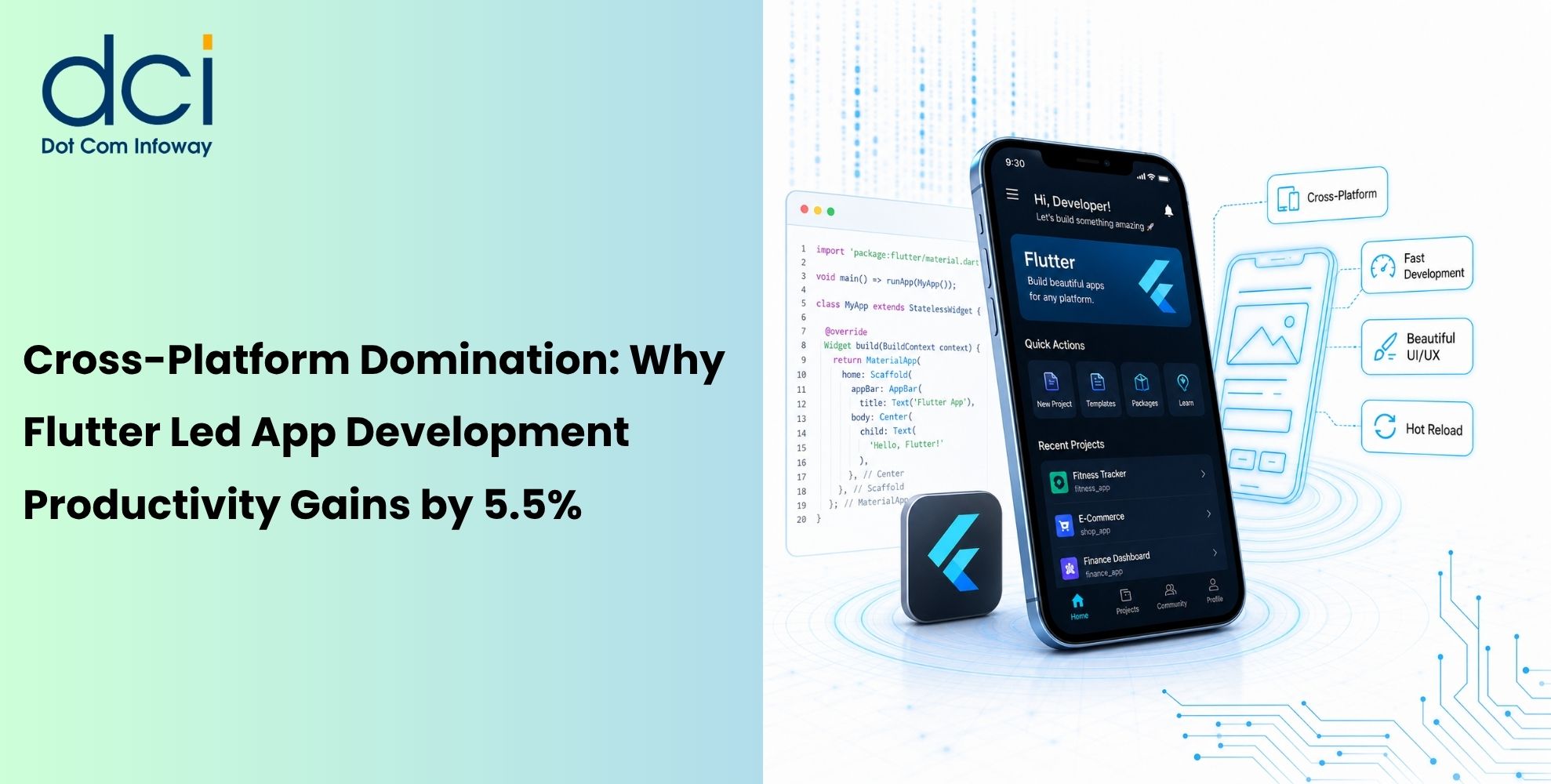
Flutter app development productivity is becoming a strategic priority for businesses that need consistent applications across Android, iOS, web and desktop. While the headline’s 5.5% figure should be viewed as a conservative productivity benchmark rather than a verified Flutter-specific...
Search is moving beyond traditional results pages. Users now ask complete questions through ChatGPT, Perplexity, Gemini, and Google AI Overviews, expecting direct and reliable answers. This shift means brands must optimise content not only for rankings but also for...
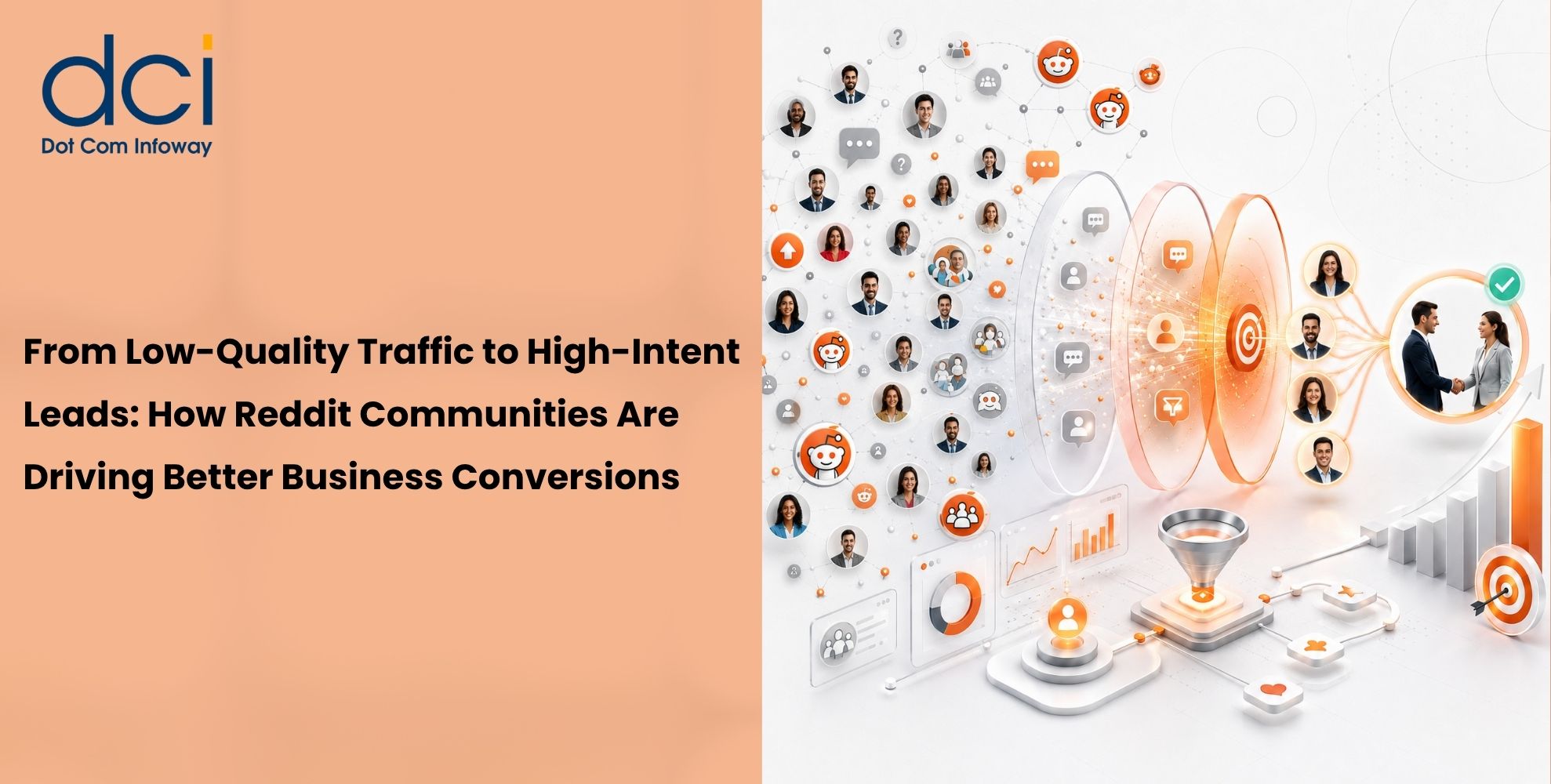
Generating traffic is easy; attracting qualified enquiries and sales is harder. Many businesses gain visitors through social media campaigns, but low interest often results in quick exits and few conversions.Reddit offers a more focused opportunity. Users join specialised communities...
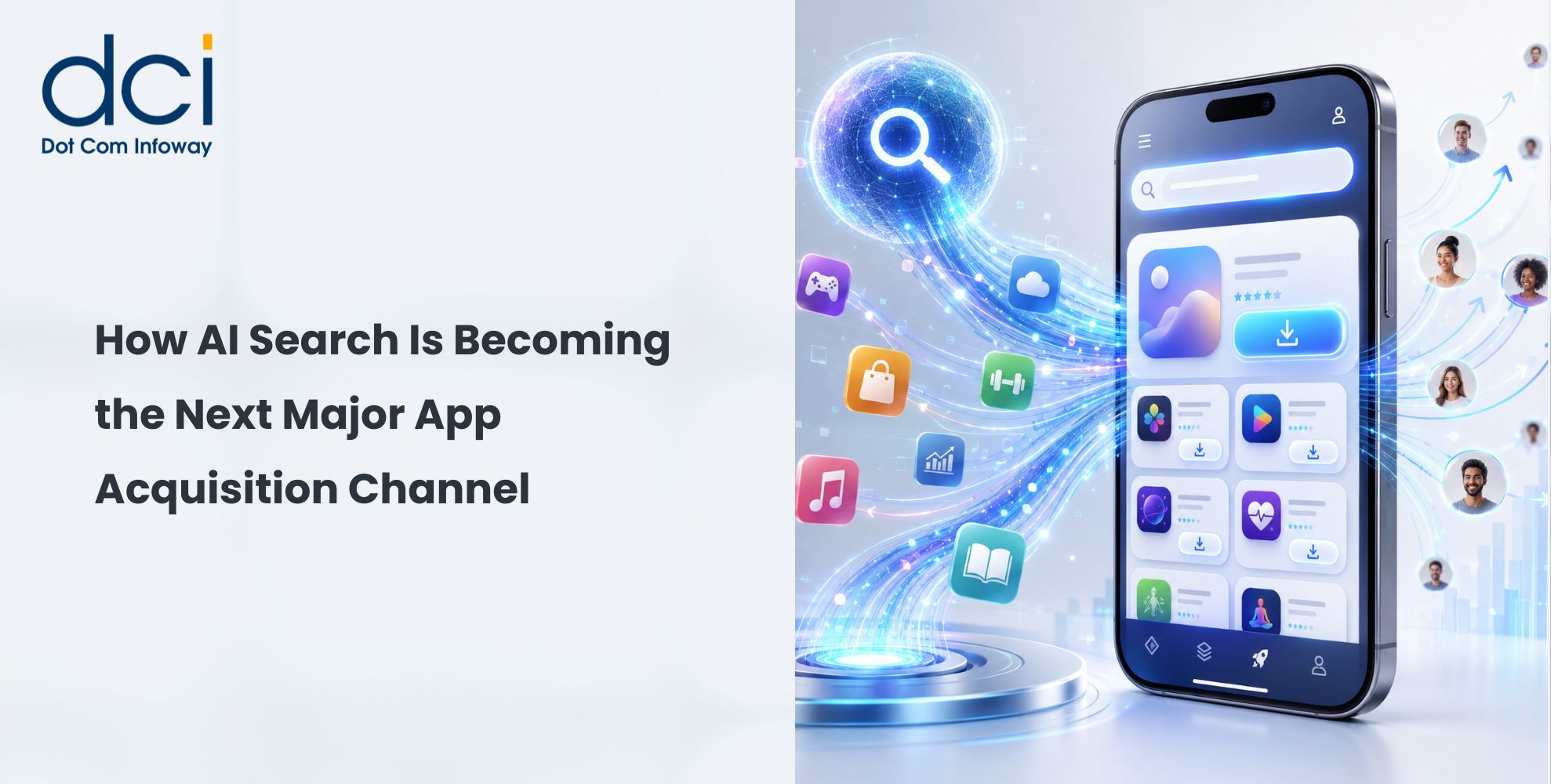
App discovery is moving beyond app-store search and paid campaigns. Users increasingly ask ChatGPT, Gemini, Perplexity, and Google’s AI experiences to compare tools, recommend apps, and narrow choices before visiting the App Store or Google Play. This makes AI...
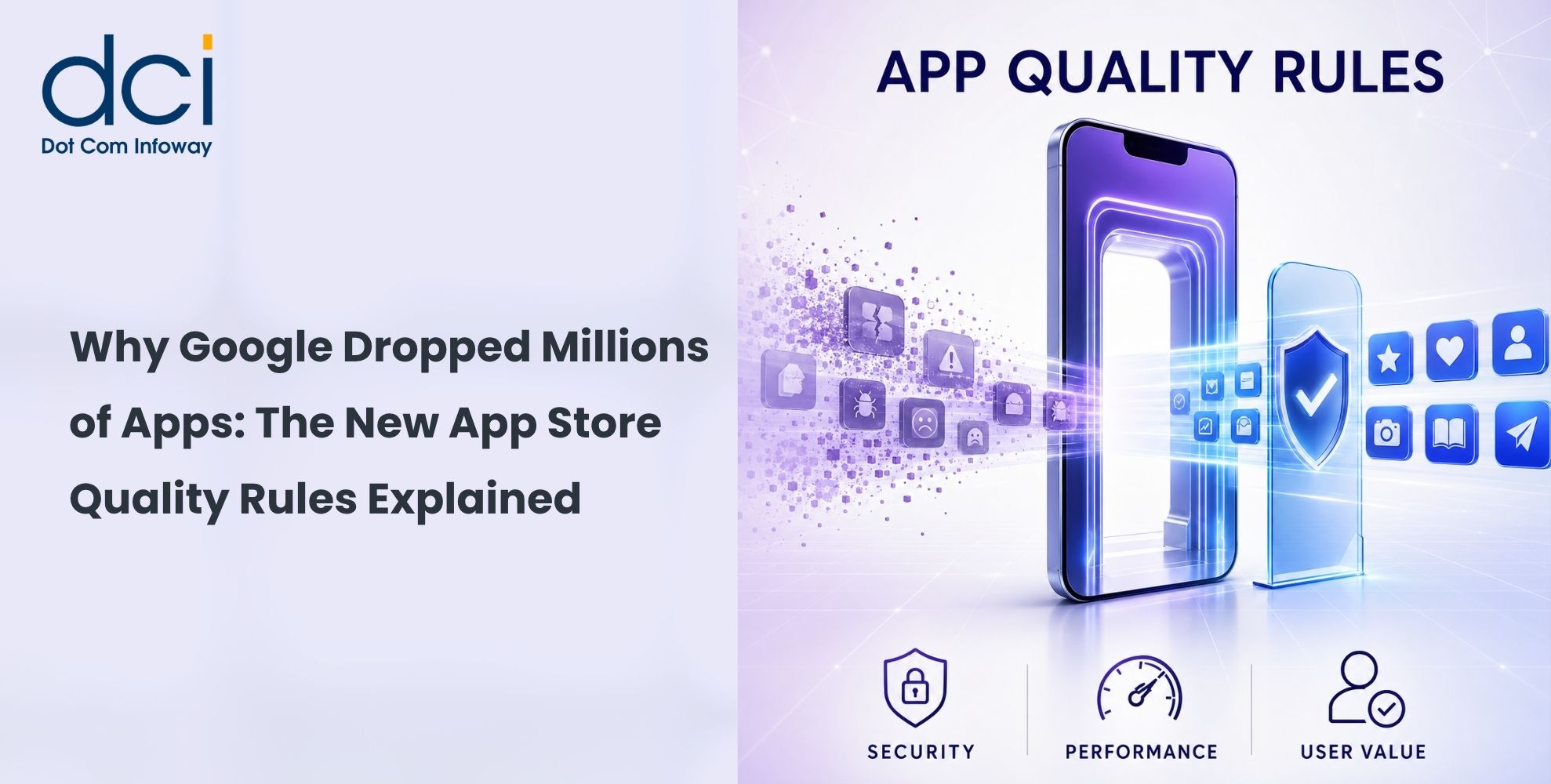
The Google Play App Quality Rules are changing what it takes for an Android app to remain visible, compliant and competitive. According to Appfigures, Google Play's worldwide app inventory declined from approximately 3.4 million apps at the beginning of...
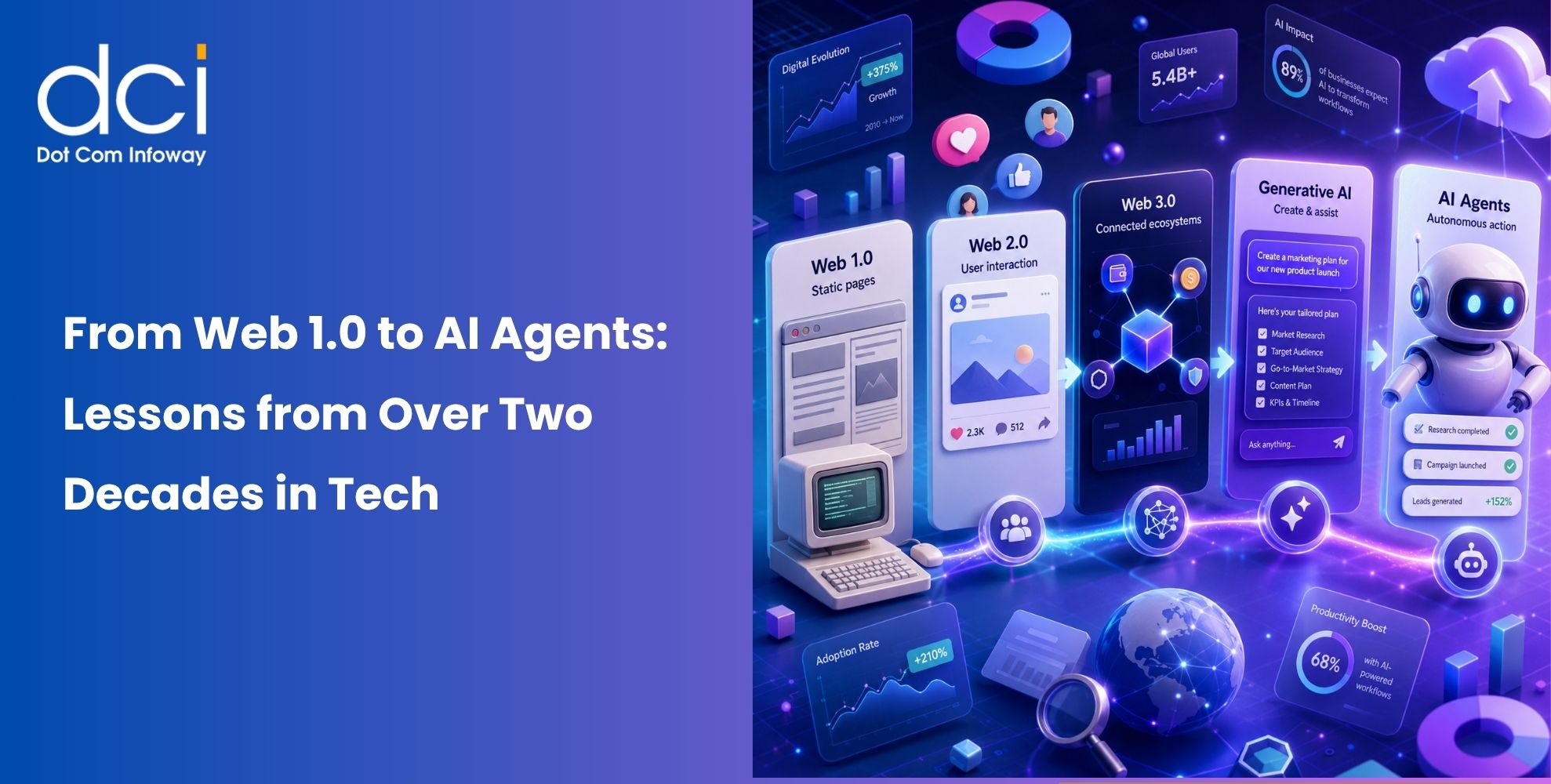
In 2000, a business website was often a digital brochure: a few HTML pages, contact details, and a basic form. Today, software can interpret intent, generate content, call APIs, coordinate tasks, and act with limited human intervention. Technology Evolution...
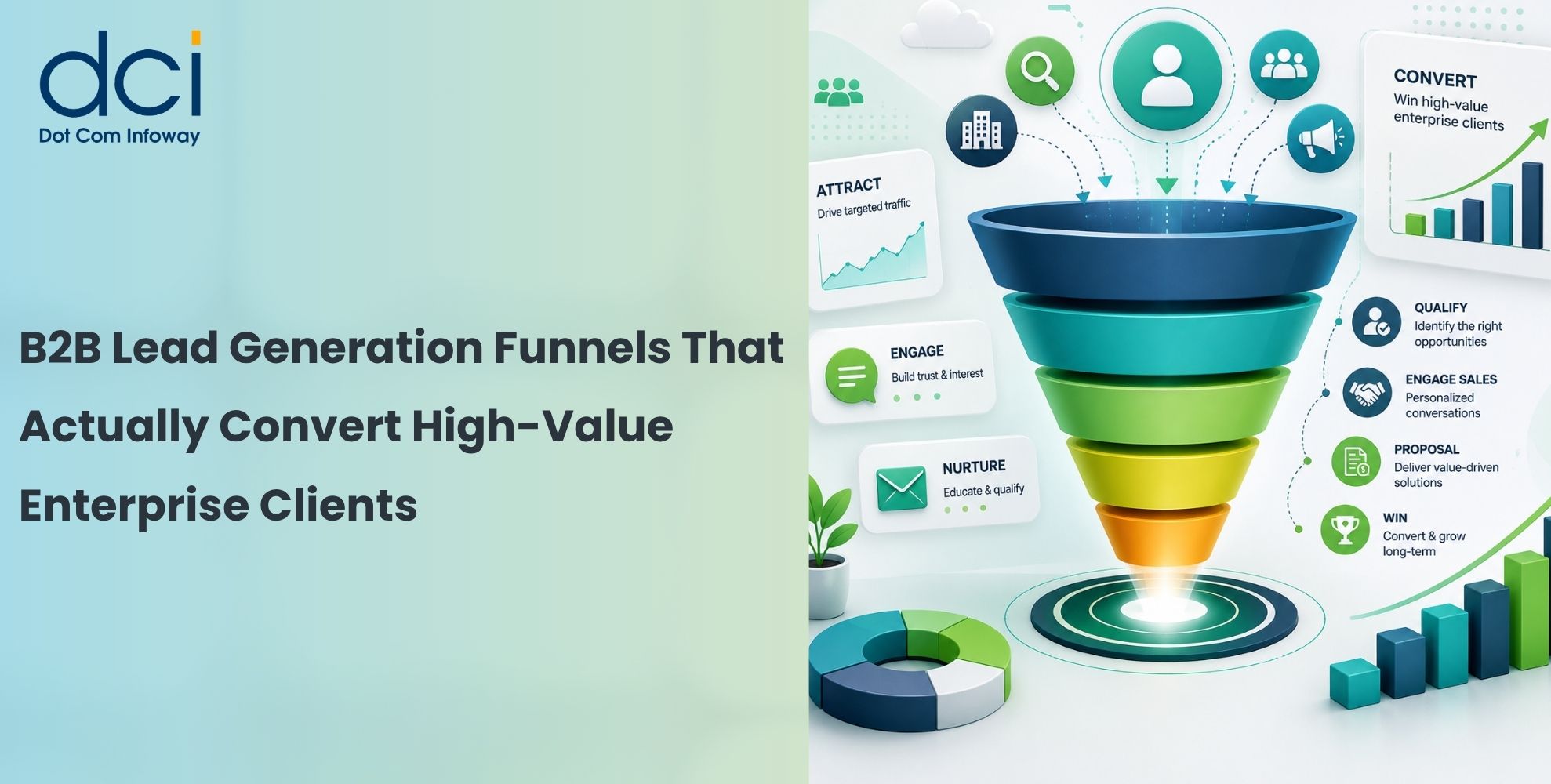
Generating B2B leads is easy. Generating qualified leads that can become high-value enterprise clients is harder.Enterprise buying journeys often involve multiple stakeholders, approvals, vendor comparisons, and months of research. An effective B2B lead generation funnel must attract the right...
Legacy enterprise software continues to support critical business operations across banking, healthcare, manufacturing, insurance, logistics, retail, and other industries. These systems often contain years of business logic, customer data, workflows, and operational knowledge. However, many legacy applications were built...








![The Game Marketing Guide: Pre and Post-Launch Strategies [Infographic]](https://www.dotcominfoway.com/wp-content/uploads/2023/09/DCI-Game-Marketing-blog-1.jpg)