Indian Mobile gaming revenues are set to reach $1.1 billion by 2020. This is perhaps why developers should be focused on India as an up and coming market. This number reflects an 87% growth spurt in this emerging market through 2020. This makes the opportunity ripe for both local and foreign game app developers who would be wise to invest in this rapidly growing market due to its continuous growth. The rising numbers in revenue prove it’s headed to the top.
Smartphones Lead the Way
Much of the growth can be attributed to the growing use of more potent smartphones. The significant increase in smartphone use has lead to the universal implementation of direct carrier billing. With smartphones making gaming so accessible, Indian users have reported spending 34% on mobile games monthly; A survey of 3,500 Indian smartphone users revealed that Indian gamers are more likely to invest in virtual games which translate into 34% of Indian gamers purchasing mobile games on a monthly basis.
Do You Need Help with Marketing Your Mobile Game?
Dot Com Infoway has worked with hundreds of games & helped them to reach top charts.
In-app Purchasers in India Drive the Global Market
According to TUNE, the percentage of in-app purchasing gamers in India makes up 16%, based on 200 billion users. This is higher than the global average, making it a strategic opportunity for mobile publishers who want to increase monetization beyond advertising. The Chinese gaming company, Youzu Interactive, has taken this lead and plans to launch local casual strategy games in India in 2017. Independent sources have revealed that the company plans on spending $10 million to create local games and look for acquisitions, investments, and partnerships in the gaming and entertainment industry in India. In that same vein, Indian game publisher Gamesbond has joined forces with Vietnamese publisher Stom Studio for a collection of casual games.
Indian Gaming Industry Growth is Exponential
The gaming industry in India is valued at $200 million. Real money gaming takes a $70 million portion of that total, with the remaining balance of $130 million comprised of casual gaming. These numbers bear witness to the opportunities that mobile game developers, both local and foreign, can expect to take advantage of by investing in the mobile gaming industry in India. This fact is further supported by the rapid increase in the number of powerful smartphones that will continue to fuel this powerful movement in the mobile gaming industry.
When it comes to the explosive growth of the mobile gaming industry in India, the numbers tell the story. The opportunity is clear for mobile game developers with the increase in smartphones and direct carrier billing. This growing trend has led to the increase in the amount of time and money that Indian users spend playing mobile games. The rise has been substantial enough to aggressively grow the market at an alarming rate. With the increase in smartphone use and in-app purchases, the mobile gaming market in India is set to continue to increase creating a lucrative opportunity for developers, both local and foreign.
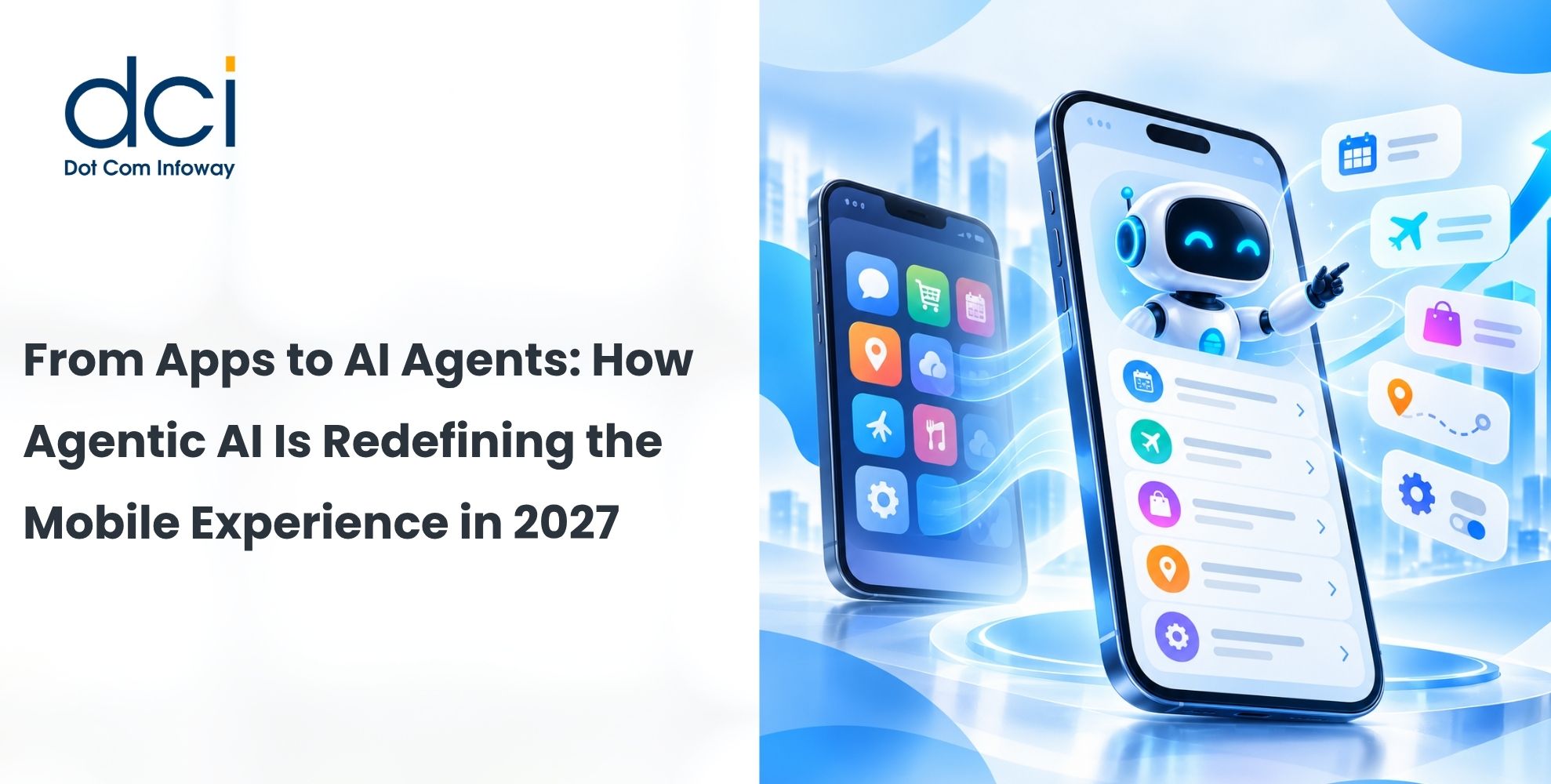
For years, the mobile experience has followed a familiar pattern: users open an app, navigate through menus, enter information, select an action, and wait for a result.
Agentic AI is beginning to change that model.
Instead of requiring users to manually...
You publish high-quality content, optimize your website, and follow SEO best practices, but your pages still struggle to appear on search engines. You are not alone. Many businesses face the same challenge where their content exists online but fails...
A website can appear successful on the surface while quietly developing problems underneath. It may load correctly, handle current visitors, and support existing business operations, but that does not always mean it has a scalable website architecture prepared for...
Video has become one of the most important communication tools for modern B2B businesses. Companies use videos to explain complex products, showcase solutions, educate customers, support sales teams, and build stronger brand connections. However, as businesses demand more content...
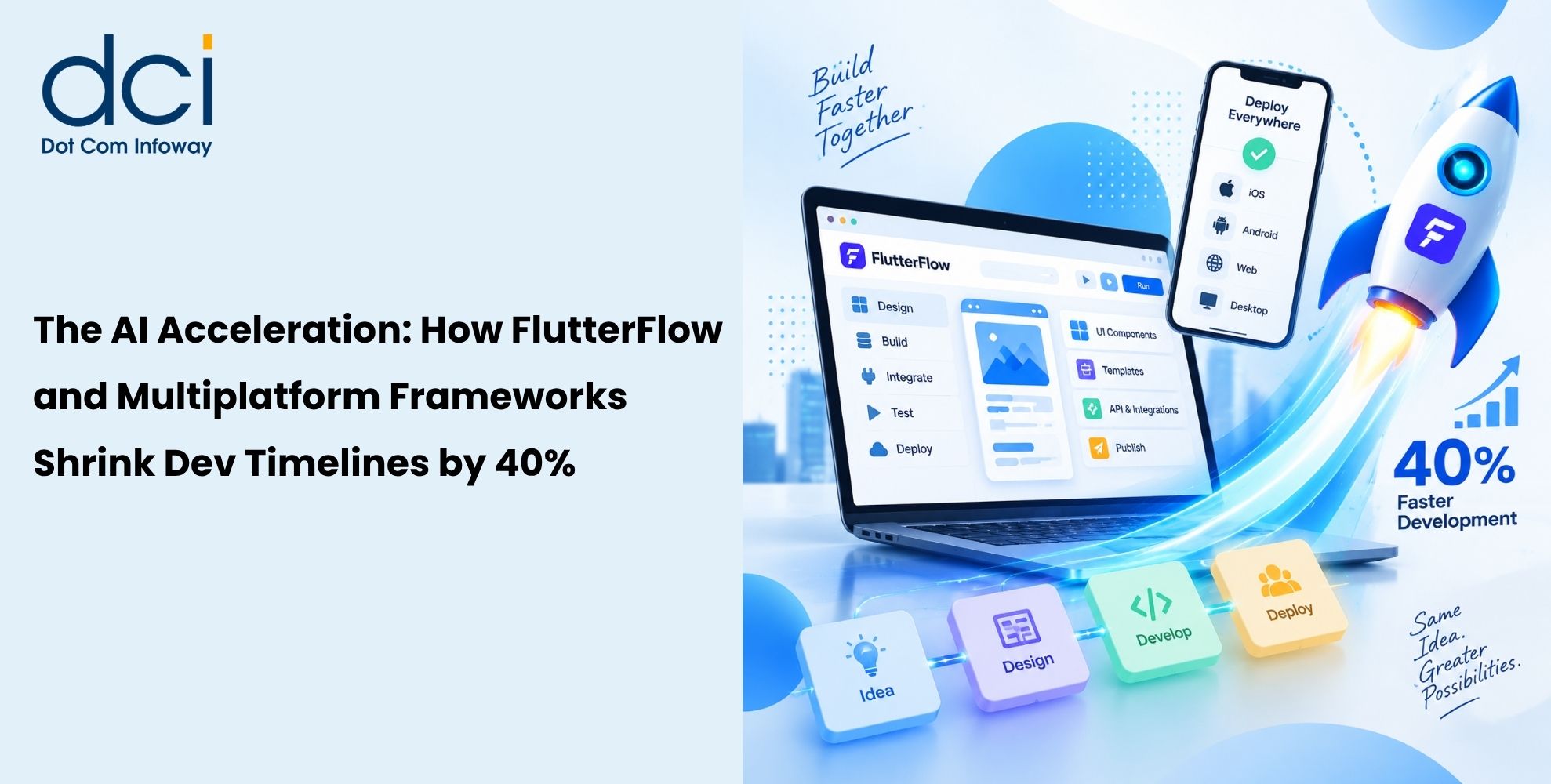
The mobile app development landscape is changing faster than ever. Businesses today need powerful digital products delivered quickly, but traditional development processes often involve long coding cycles, separate teams for different platforms, and higher development costs.
The rise of AI-powered...
The mobile industry is moving from traditional application experiences toward intelligent, adaptive platforms. Businesses today need AI-ready mobile apps that can support emerging technologies like Apple Intelligence and Android Gemini Advanced to deliver faster, smarter, and more personalized user...
An application can receive excellent ratings, positive customer feedback, and strong user satisfaction but still struggle to attract new users. Low app downloads despite good reviews is a challenge many businesses face after launching their mobile applications. While reviews...
The Apple A20 Pro chip changes what product teams can reasonably ask an iPhone app to do in real time. Built on a 2-nanometer process, the processor combines a six-core CPU, seven-core GPU, integrated Neural Accelerators, a dual 16-core...
SEO has changed significantly over the years. Search engines no longer evaluate content only based on keywords, backlinks, or publishing frequency. Today, factors such as content quality, expertise, originality, and user satisfaction play a major role in determining search...
When organic sessions decline after a broad Google update, an E-E-A-T audit checklist gives businesses a structured way to separate correlation from cause. Traffic is rarely restored by inserting more keywords, increasing word count, or changing publication dates. Sustainable...









![The Game Marketing Guide: Pre and Post-Launch Strategies [Infographic]](https://www.dotcominfoway.com/wp-content/uploads/2023/09/DCI-Game-Marketing-blog-1.jpg)