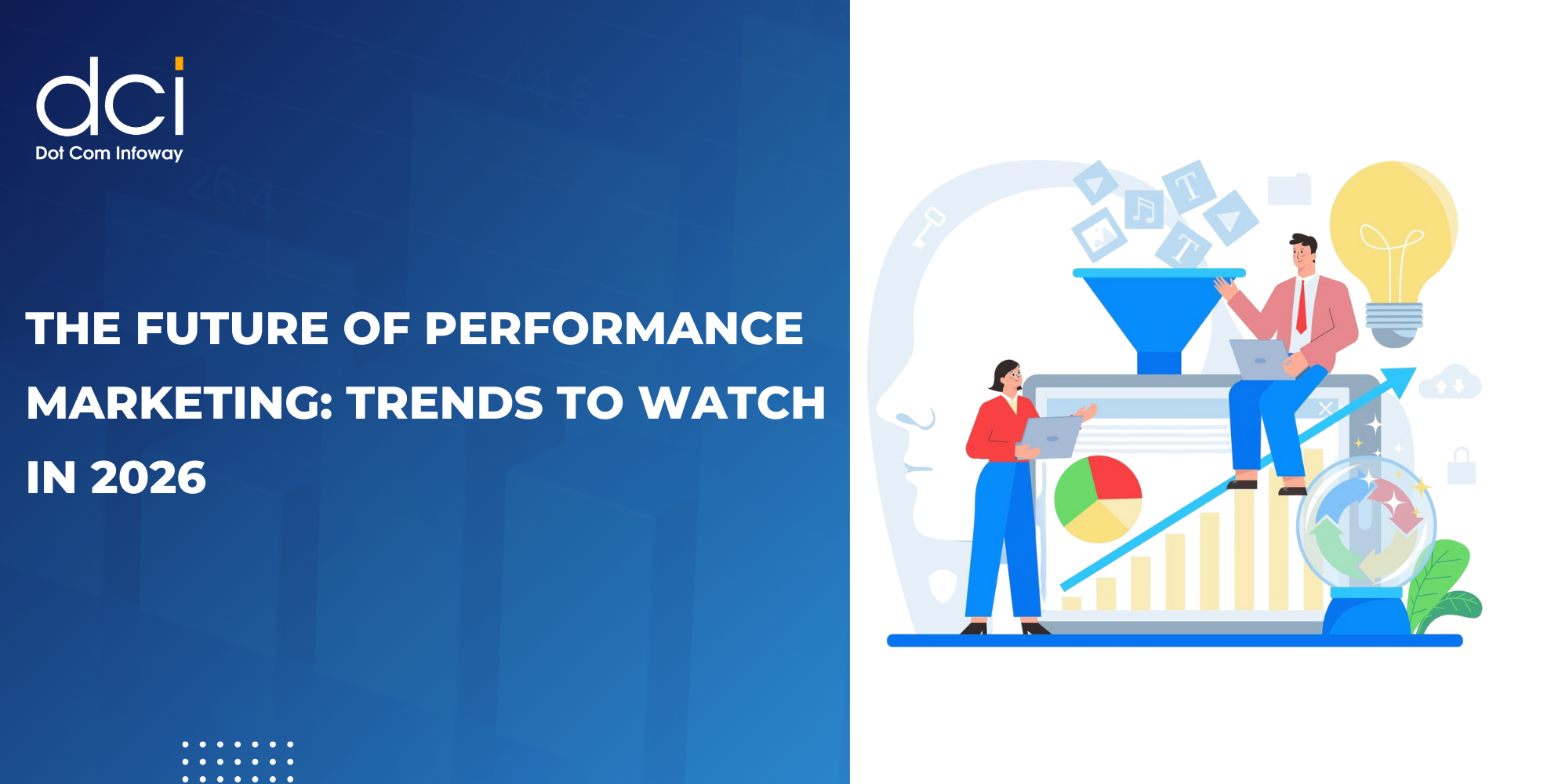
1. The Rise of Artificial Intelligence (AI) and Machine Learning
In 2026, artificial intelligence (AI) and machine learning will revolutionize performance marketing. AI is already automating and optimizing marketing efforts. Over time, its capabilities will grow even more sophisticated.
Why It Matters:
AI can process vast amounts of data quickly, identify trends, and predict consumer behavior with incredible accuracy. Marketers can leverage AI-driven tools to create personalized campaigns, optimize ads in real-time, and improve conversion rates.
How It’s Changing the Game:
- Predictive Analytics: AI can predict the best times to run ads, target the right audience, and choose the best-performing channels.
- Chatbots and Customer Service Automation: AI-powered chatbots will help brands communicate directly with customers, improving engagement and conversion.
- Content Personalization: AI-driven content recommendation engines will help brands deliver highly personalized experiences that resonate with users.
Companies like Google and Facebook already use AI to optimize ad placements and targeting. Moreover, businesses that fail to adopt AI-driven tools will risk falling behind. Competitors who leverage this technology will likely achieve higher conversions and greater ROI.
2. Voice Search and Conversational Marketing
As voice-activated devices like Amazon’s Alexa, Google Assistant, and Apple’s Siri become more integrated into consumers’ lives, voice search will play an increasingly significant role in performance marketing.
Why It Matters:
Consumers are no longer just typing keywords into search engines. Voice search is rapidly gaining traction, and marketers need to adjust their strategies to accommodate this shift in behavior.
How It’s Changing the Game:
- Natural Language Processing (NLP): Search queries are becoming more conversational, meaning keywords are longer and more specific.
- Voice-Optimized Ads: As more people use voice assistants, brands will need to optimize their ads for voice search.
- Increased Engagement: Conversational marketing through chatbots and voice interactions will drive higher engagement and more qualified leads.
For instance, Domino’s Pizza has already tapped into voice search with a voice-enabled ordering system, allowing customers to place orders using their voice. Marketers will need to adopt similar voice-optimized strategies to stay ahead in 2026.
3. The Shift Toward Privacy-First Marketing
With increasing concerns over data privacy, governments around the world are introducing stricter regulations. The General Data Protection Regulation (GDPR) in the European Union and the California Consumer Privacy Act (CCPA) in the United States are just the beginning.
Why It Matters:
Performance marketing relies heavily on data to target the right audience, but growing privacy concerns mean businesses must prioritize consumer privacy while still achieving effective results.
How It’s Changing the Game:
- First-Party Data: Brands will need to focus more on collecting and utilizing first-party data information gathered directly from their users through websites, surveys, and loyalty programs.
- Zero-Party Data: The future of performance marketing may involve more emphasis on zero-party data, which is voluntarily shared by consumers, such as preferences and purchase intentions.
- Transparency and Trust: Marketers will need to build trust by clearly communicating their data privacy policies, ensuring consumers feel safe when interacting with their brands.
Apple’s iOS 14 update, which introduced App Tracking Transparency (ATT), is a prime example of how privacy-focused updates are reshaping the landscape. Performance marketers will need to adapt to these changes by adopting transparent data collection and usage practices.








![The Game Marketing Guide: Pre and Post-Launch Strategies [Infographic]](https://www.dotcominfoway.com/wp-content/uploads/2023/09/DCI-Game-Marketing-blog-1.jpg)