



IOC Says Athletes Can Tweet
2 mins read
The International Olympic Committee (IOC) has told it athletes that they can use social media during the upcoming London Olympics, but should not overstep the mark.
The IOC has issued rules for athletes using social media at the 2012 London Games. It says competitors can post, blog and tweet their experiences, but these things “should be in a first-person, diary-type format and should not be in the role of a journalist – i.e. they must not report on competition or comment on the activities of other participants or accredited people.”
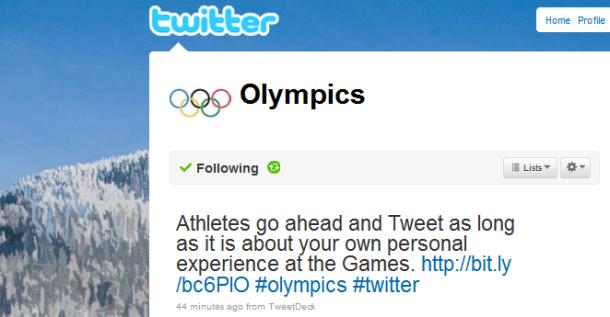
IOC warns athletes that they must not report on events in the manner of journalists and they should not promote commercial interests by these activities. It also strictly prohibits them from using vulgar or obscene words or images. The committee allows still photographs to be taken, but bans audio and video broadcast.
Many athletes blogged during the Beijing Olympics, when the Twitter was not popular. This time IOC asks athletes to be careful or else, there could be serious consequences.
Dot Com Infoway helps clients market their products/services through cost-effective Internet Marketing and Social Media Marketing solutions. To get a free quote for these services, contact us.


![The Game Marketing Guide: Pre and Post-Launch Strategies [Infographic]](https://www.dotcominfoway.com/wp-content/uploads/2023/09/DCI-Game-Marketing-blog-1.jpg)
Latest Posts
 September 10, 2026
How Apple’s New A20 Pro Chip Reshapes Mobile App Performance Capabilities
The Apple A20 Pro chip changes what product teams can reasonably ask an iPhone app to do in real time. Built on a 2-nanometer process, the processor combines a six-core CPU, seven-core GPU, integrated Neural Accelerators, a dual 16-core...
 August 27, 2026
Cross-Platform Domination: Why Flutter Led App Development Productivity Gains by 5.5%
Flutter app development productivity is becoming a strategic priority for businesses that need consistent applications across Android, iOS, web and desktop. While the headline’s 5.5% figure should be viewed as a conservative productivity benchmark rather than a verified Flutter-specific...
 August 24, 2026
GEO Frameworks: How to Rank on AI Search as Zero-Click Results Hit 69%
Search is moving beyond traditional results pages. Users now ask complete questions through ChatGPT, Perplexity, Gemini, and Google AI Overviews, expecting direct and reliable answers. This shift means brands must optimise content not only for rankings but also for...
 August 21, 2026
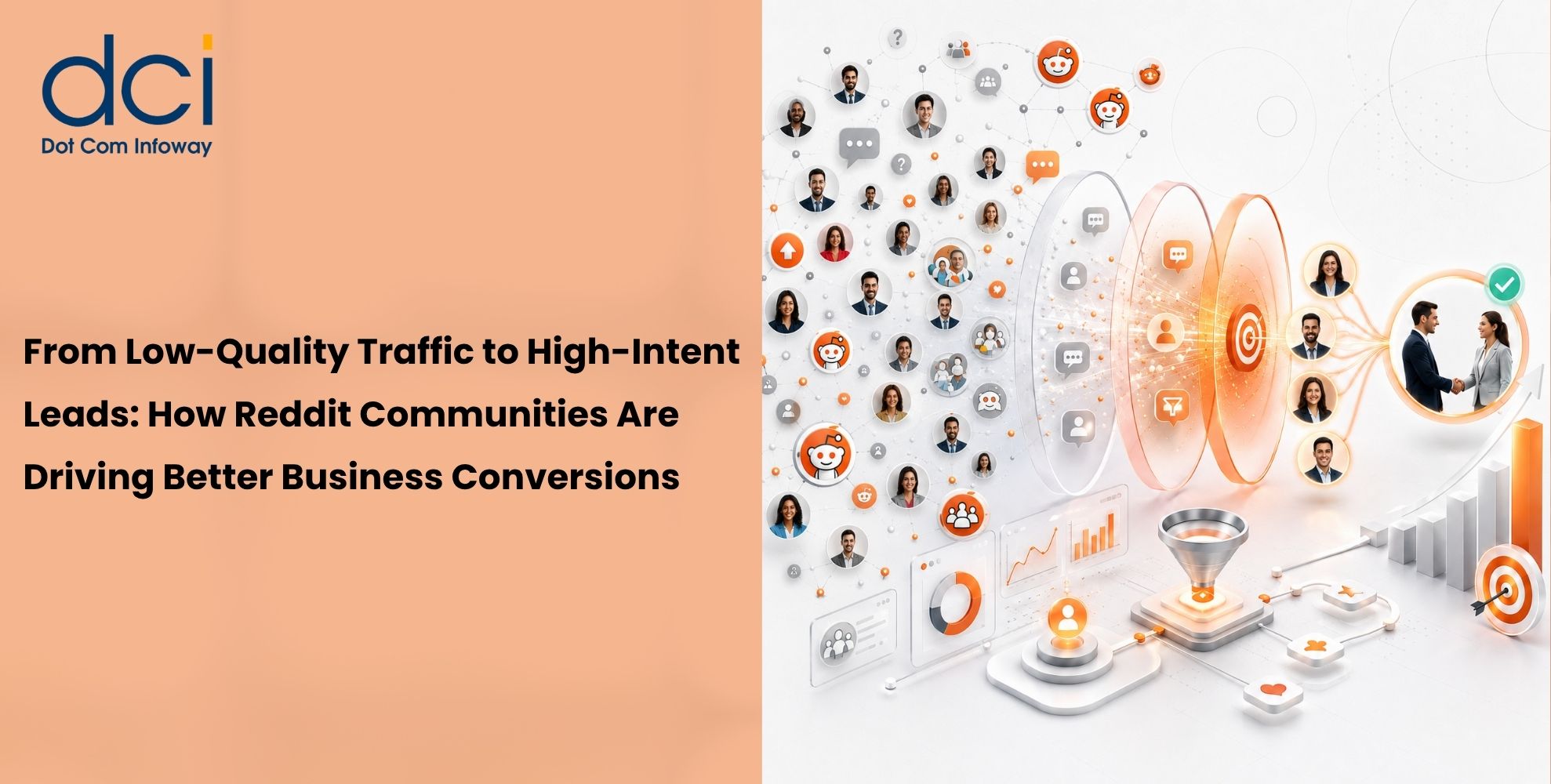
From Low-Quality Traffic to High-Intent Leads: How Reddit Communities Are Driving Better Business Conversions
Generating traffic is easy; attracting qualified enquiries and sales is harder. Many businesses gain visitors through social media campaigns, but low interest often results in quick exits and few conversions.Reddit offers a more focused opportunity. Users join specialised communities...
 August 19, 2026
How AI Search Is Becoming the Next Major App Acquisition Channel
App discovery is moving beyond app-store search and paid campaigns. Users increasingly ask ChatGPT, Gemini, Perplexity, and Google’s AI experiences to compare tools, recommend apps, and narrow choices before visiting the App Store or Google Play. This makes AI...
 August 17, 2026
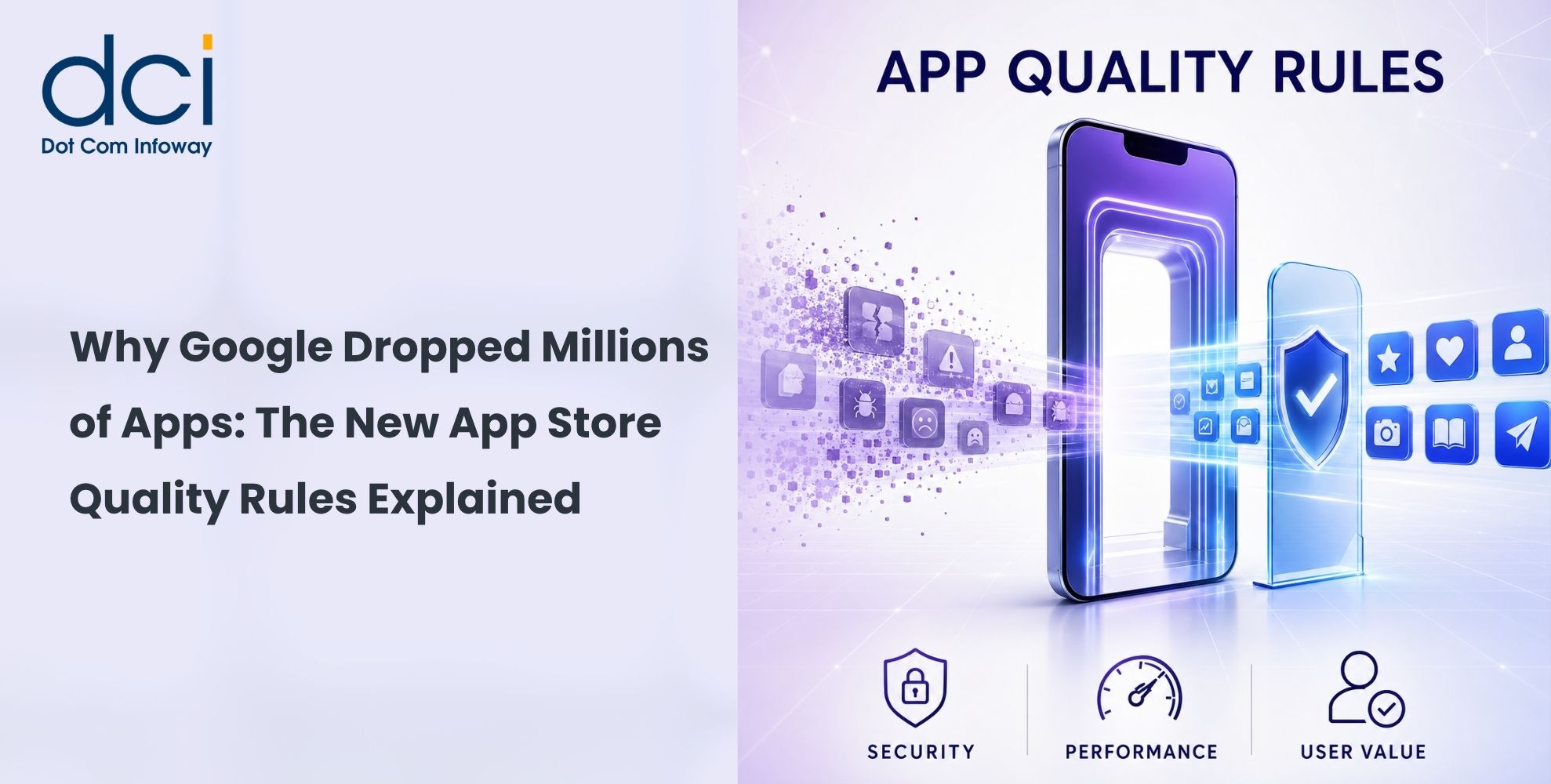
Why Google Dropped Millions of Apps: The New App Store Quality Rules Explained
The Google Play App Quality Rules are changing what it takes for an Android app to remain visible, compliant and competitive. According to Appfigures, Google Play's worldwide app inventory declined from approximately 3.4 million apps at the beginning of...
 August 14, 2026
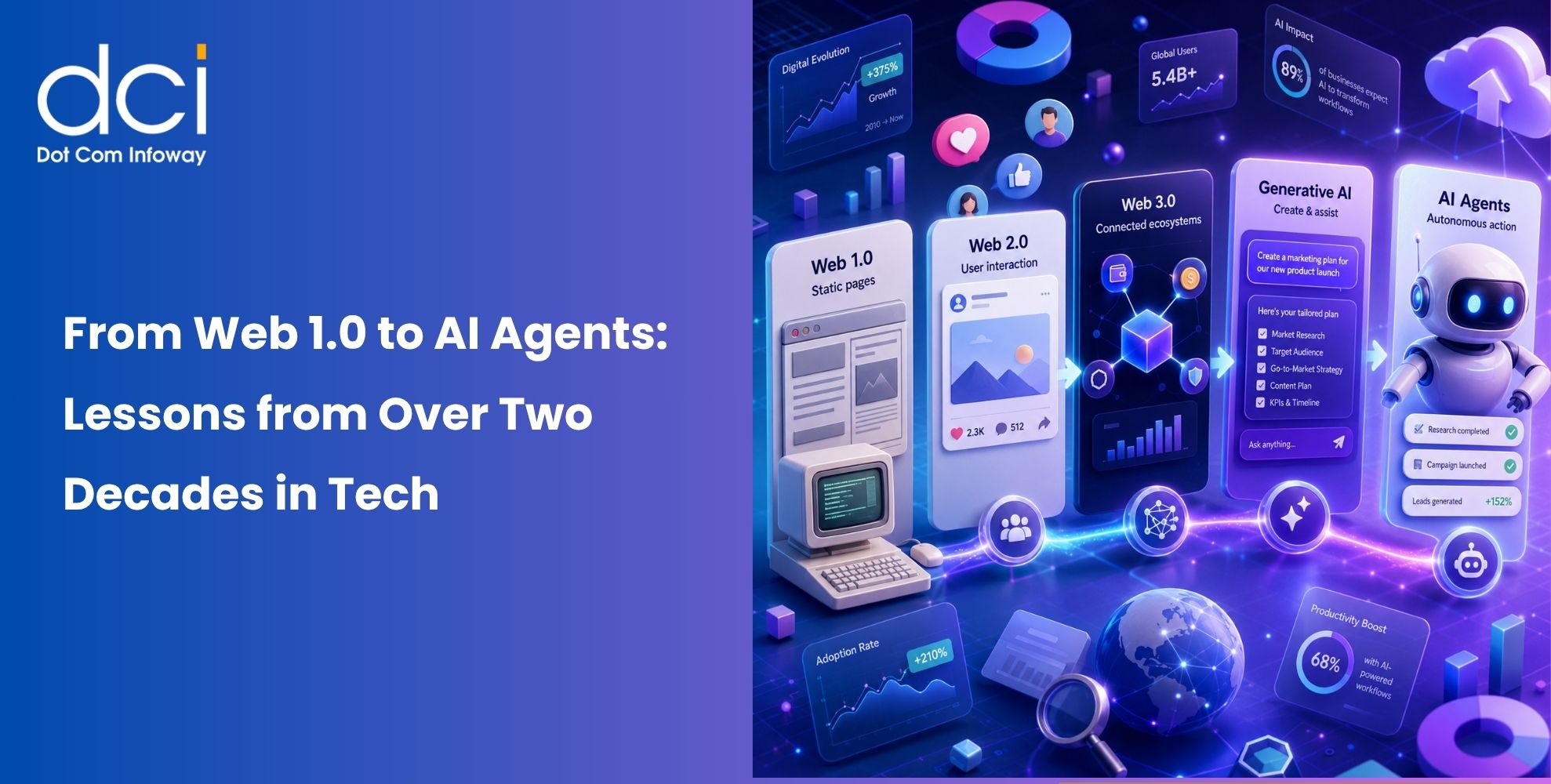
From Web 1.0 to AI Agents: Lessons from Over Two Decades in Tech
In 2000, a business website was often a digital brochure: a few HTML pages, contact details, and a basic form. Today, software can interpret intent, generate content, call APIs, coordinate tasks, and act with limited human intervention. Technology Evolution...
 August 12, 2026
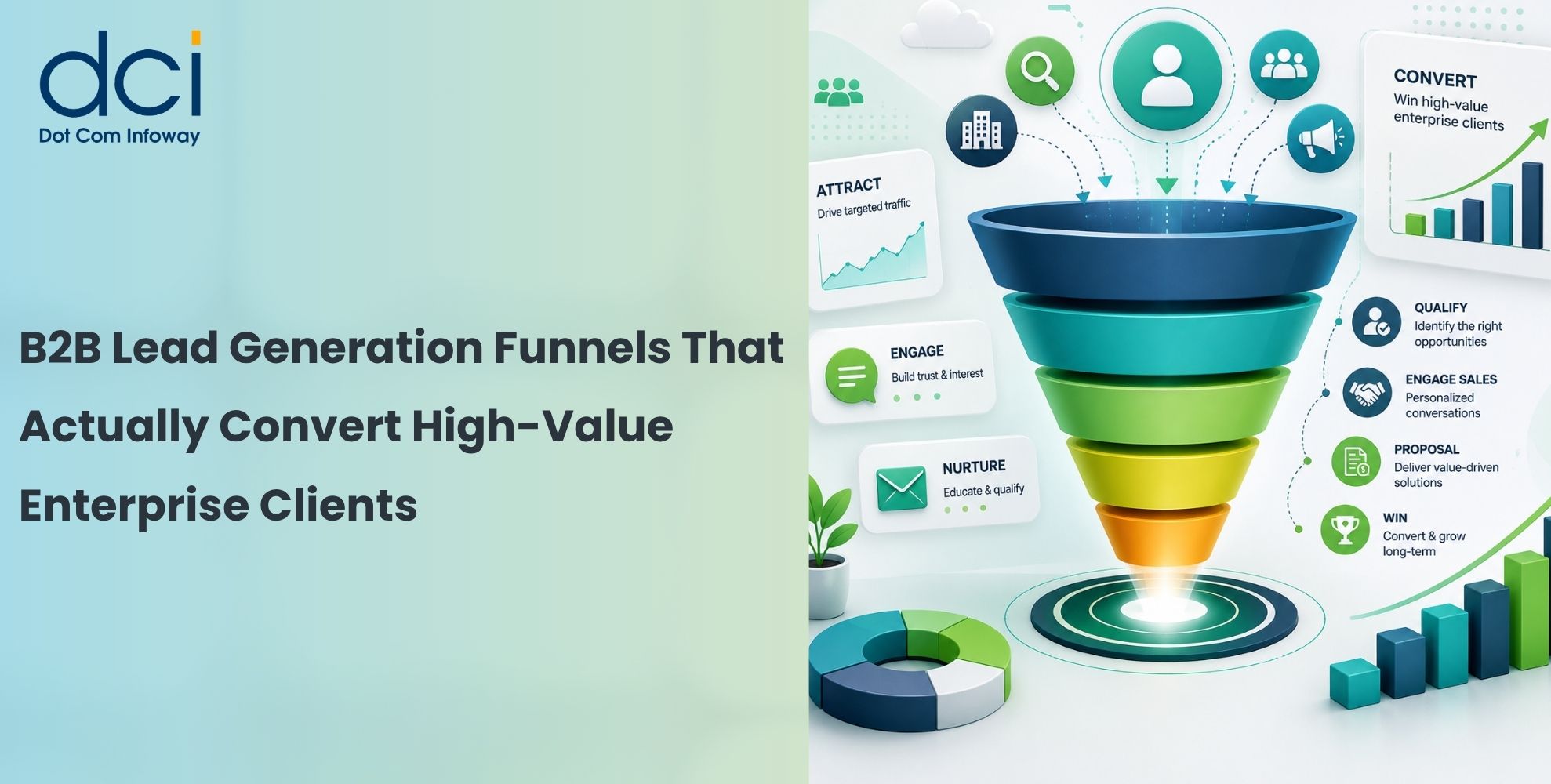
B2B Lead Generation Funnels That Actually Convert High-Value Enterprise Clients
Generating B2B leads is easy. Generating qualified leads that can become high-value enterprise clients is harder.Enterprise buying journeys often involve multiple stakeholders, approvals, vendor comparisons, and months of research. An effective B2B lead generation funnel must attract the right...
 August 10, 2026
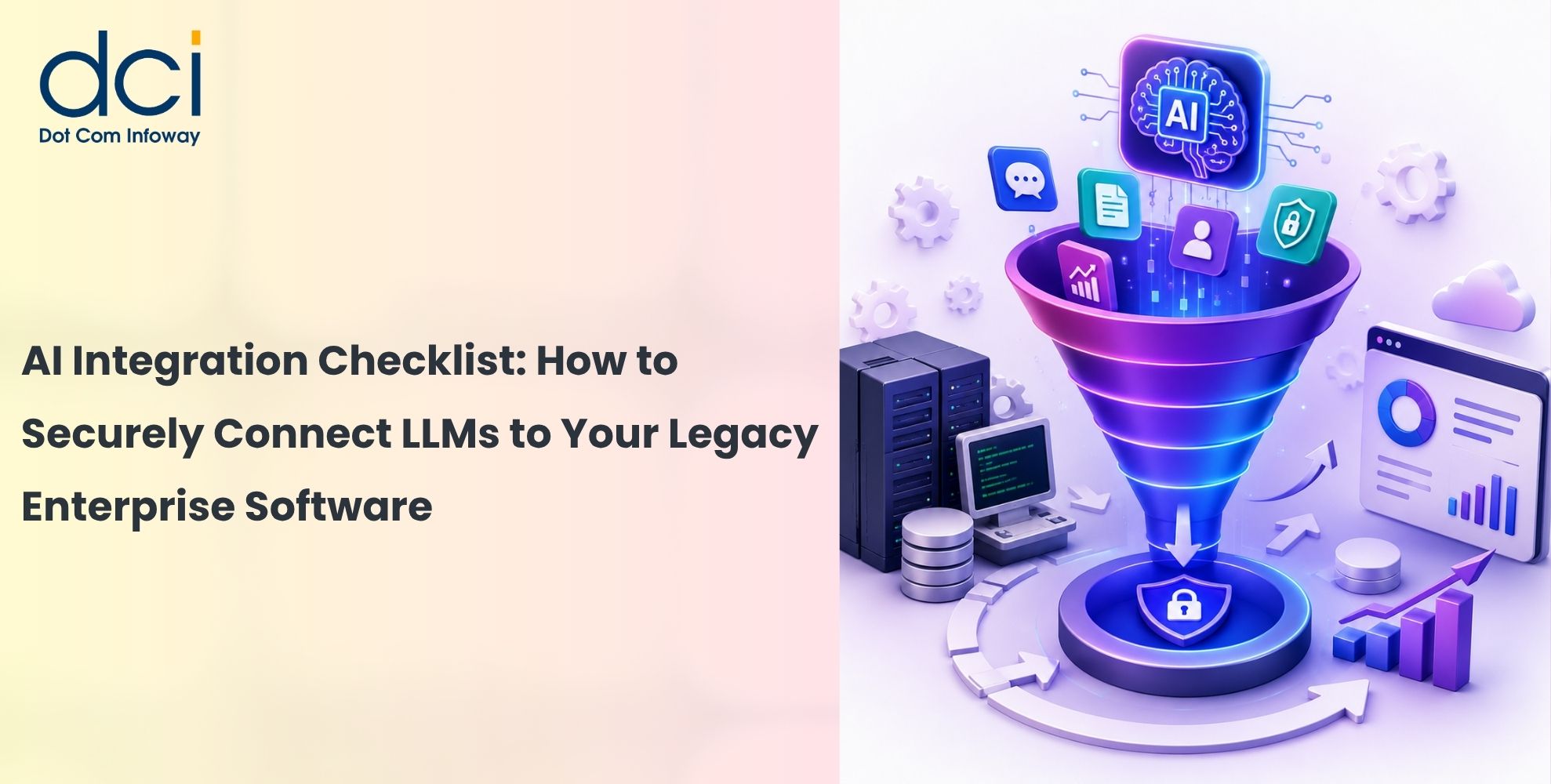
AI Integration Checklist: How to Securely Connect LLMs to Your Legacy Enterprise Software
Legacy enterprise software continues to support critical business operations across banking, healthcare, manufacturing, insurance, logistics, retail, and other industries. These systems often contain years of business logic, customer data, workflows, and operational knowledge. However, many legacy applications were built...
 August 06, 2026
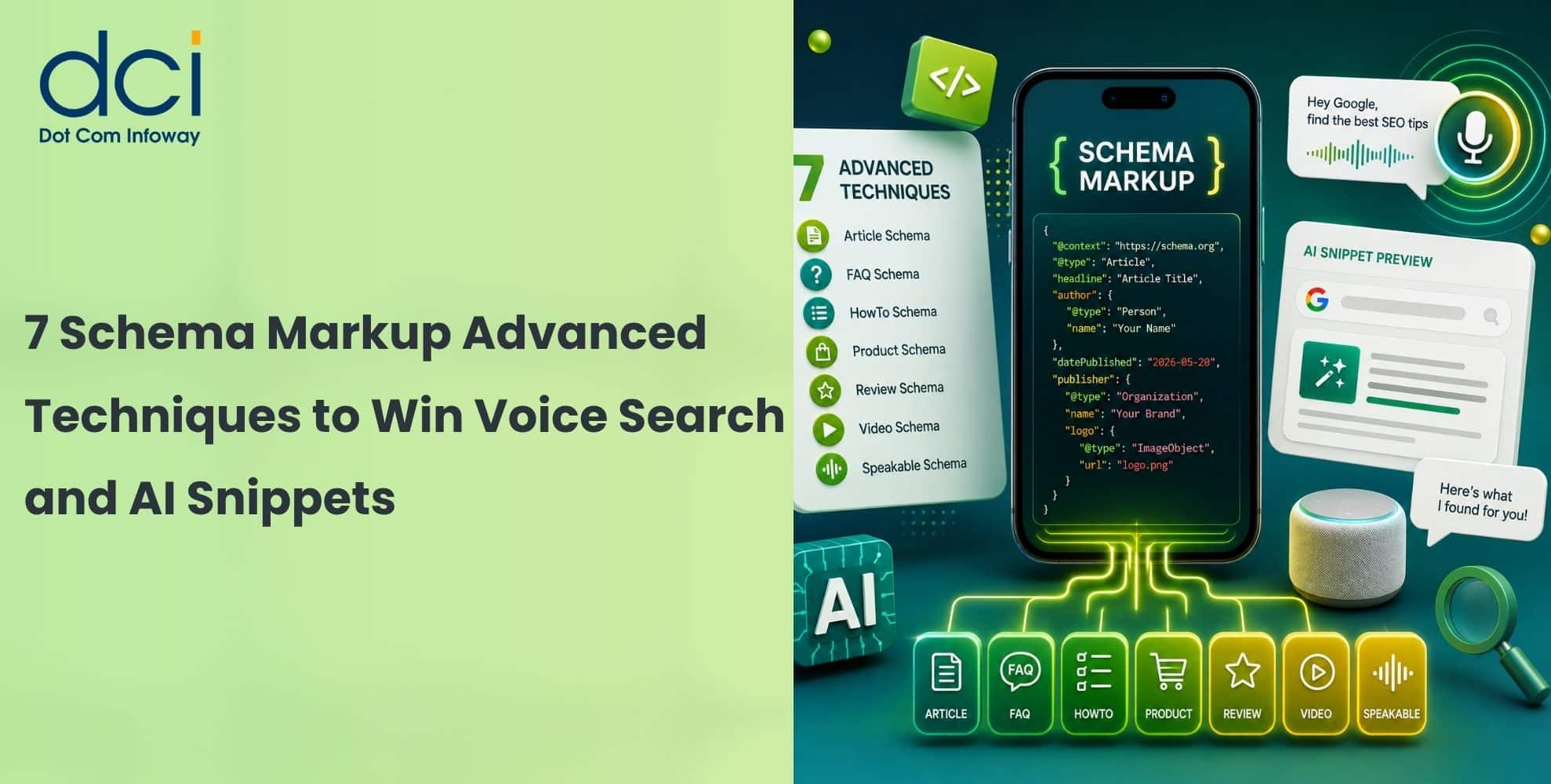
7 Schema Markup Advanced Techniques to Win Voice Search and AI Snippets
Search is changing rapidly. People are no longer relying only on traditional Google searches. They are asking conversational questions through voice assistants and using AI-powered search experiences such as Google AI Overviews, making schema markup techniques increasingly important for...
Get the latest insights from Dot Com Infoway straight to your inbox.