



In 2026, the landscape of app discovery and monetization has transformed radically. Traditional App Store Optimization (ASO) remains a cornerstone of organic visibility, but now it converges with emergent technologies like Large Language Models (LLMs) and advanced search optimization methods that resemble SEO. For app marketers and developers alike, understanding this evolution is not just an advantage it’s essential for survival and growth. This comprehensive exploration dives into why modern app marketing strategies must evolve beyond classic tricks and become more data-driven, contextual, and user‑centric.
From ASO to LLM SEO: App Marketing Strategies That Matter in 2026
8 mins read
Understanding the Shift: Beyond Traditional ASO
App Store Optimization has long been the primary method for improving an app’s visibility within Google Play or Apple App Store search results. Historically, ASO concentrated on optimizing metadata -keywords, titles, descriptions, and creative assets to match what users typed into search bars. But in 2026, this paradigm has shifted dramatically.
Today’s ASO focuses on intent fulfillment rather than keyword density. Algorithms prioritize user behavior signals, conversion efficiency, and metadata relevance over sheer keyword volume. This means that your title, subtitle, and description need to satisfy real user intent within the first interaction or risk downgrading in visibility. Apps that fail to align with user goals during those initial moments often find their rankings slipping, regardless of keyword stuffing tactics once considered standard.
Moreover, app platforms are now integrating AI‑driven interpretation of metadata, analyzing latent semantic patterns and broader contextual relevance rather than exact keyword matches. Top apps localize their metadata semantically for multiple languages, significantly boosting visibility across regions.
In short, ASO in 2026 means optimizing for outcomes, not just terms a strategy that mirrors broader SEO trends. This convergence is where the concept of LLM SEO search optimization influenced by large language models enters the app marketing stage.
What Is LLM SEO and Why It Matters in 2026
Large Language Models (LLMs) such as ChatGPT by OpenAI, Gemini by Google, and Claude by Anthropic are rapidly transforming how users discover apps, reshaping modern App Marketing Strategies. Instead of navigating app stores manually, users increasingly ask conversational agents for recommendations. For example, queries like “What’s the best budgeting app for students?” now prompt LLMs to instantly suggest options and sometimes even link directly to the app download.
This shift changes the optimization game. LLM SEO goes beyond traditional App Store ranking factors and focuses on being discoverable in AI‑assisted search environments. It involves:
- Creating content that aligns with conversational user queries. Your app’s web presence, blog posts, FAQs, and Q&A snippets should directly answer potential user questions that an LLM might encounter.
- Establishing authoritative backlinks and topical relevance, strengthening your brand’s contextual authority across the web.
- Integrating semantic markup and structured data on web pages so that AI can extract meaningful descriptions and recommendations.
By optimizing for LLM visibility, apps can capture new discovery pathways that traditional ASO simply doesn’t reach.
How App Marketing Services Are Adapting
Professional app marketing services are now geared towards this hybrid optimization approach integrating ASO fundamentals with content, web SEO, and conversational search readiness. Today’s strategies include:
- Metadata aligned with user intent and conversational keywords: Marketers now run holistic keyword research that captures not only search phrases users type but also queries they might ask voice assistants and LLMs. These keywords then feed both store metadata and web content.
- Semantic content creation on owned web properties: Instead of just relying on app store listings, marketers build blogs, tutorials, and comparison pages tailored to questions users might ask AI models. This content generates organic web traffic and signals relevance back to app stores.
- Continuous creative testing: Visual assets screenshots, icons, videos are updated regularly based on performance data. Creative that reflects real user experiences tends to convert better in both store browsing and paid campaigns.
- User reviews integration: Responding to and managing positive and negative app reviews remains vital. Reviews now serve as rich semantic data for app store algorithms and can influence AI recommendations. Prompt, helpful review responses enhance trust and improve overall ranking signals.
In essence, these services form a feedback loop where ASO, SEO, and conversational search optimization work in tandem rather than in isolation.

What does the shift from ASO to LLM SEO mean for app marketing in 2026?
App marketing in 2026 is moving beyond ASO on Google Play and Apple App Store toward LLM SEO, where AI-driven search favors intent-rich content and strong app metadata for better discovery.
The Power of App Reviews in Growth
User feedback has always been a pillar of app marketing strategies, but its role has expanded in 2026. App reviews now serve multiple critical functions:
- Ranking enhancements: Quality ratings and reviews heavily influence app store placement. Prominent reviews act as trust signals that encourage installs.
- Sentiment insights: Modern tools use AI sentiment analysis to categorize reviews based on urgency, issue type, and tone. This lets teams quickly resolve problems and respond to feedback at scale.
- Conversational SEO cues: LLMs crawl public review content (where approved) to extract actionable insights. Reviews that naturally contain intent‑based phrases can end up influencing AI recommendations.
Effective marketing teams don’t just collect reviews – they strategically engage with them, turning identified patterns into product and messaging improvements.
Integrating Paid and Organic Channels
Even as organic discovery becomes smarter, paid acquisition remains a necessary part of a comprehensive strategy. But the role of paid media has matured. Instead of simply buying installs, campaigns now prioritize signal quality. Marketers use paid acquisition to:
- Validate app messaging and creative concepts.
- Identify high‑intent user segments likely to convert.
- Feed insights back into organic ASO and onboarding flows.
Paid strategies now complement organic systems by testing assumptions in a live environment and then pivoting based on what converts.
Looking Ahead: What Matters Most in 2026
As we continue through 2026, the winners will be the teams that view app marketing not just as a collection of tactics but as a cohesive system where ASO, LLM SEO, creative storytelling, and user experience continuously inform each other.
A few trends to watch:
- Conversational discovery acceleration: With more users relying on LLMs for recommendations, apps must be visible in these channels or risk invisibility.
- Voice and natural language search: Voice search optimization will become a major part of app marketing, requiring marketers to think in terms of human dialogue rather than static keywords.
- Retention‑first strategies: Apps that keep users engaged with personalized experiences and habit‑forming loops will enjoy compounding growth over time.
In this blended era of ASO and LLM SEO, success comes from understanding how humans think – not just how they search. The best strategies focus on providing relevant, contextual value at every touchpoint, from discovery to engagement and long‑term retention.
If you’re crafting your next roadmap for App Marketing Strategies in 2026, make sure your approach embraces holistic optimization. After all, the lines between discoverability, conversation, and conversion have never been closer.
Must Read
Trending Blogs

![The Game Marketing Guide: Pre and Post-Launch Strategies [Infographic]](https://www.dotcominfoway.com/wp-content/uploads/2023/09/DCI-Game-Marketing-blog-1.jpg)
Latest Posts
 October 05, 2026
Is Your Mobile App Outdated? 7 Signs It’s Time for an Upgrade
Your app launched to great reviews, but a few years on, downloads have flattened and complaints are creeping in. If your business needs a mobile app upgrade, it may be time to consider modernizing it. Devices, operating systems, and...
 September 28, 2026
From Apps to AI Agents: How Agentic AI Is Redefining the Mobile Experience in 2027
For years, the mobile experience has followed a familiar pattern: users open an app, navigate through menus, enter information, select an action, and wait for a result. Agentic AI is beginning to change that model. Instead of requiring users to manually...
 September 24, 2026
SEO AEO Grader ToolAre Search Engines Hiding Your Content? Find Out with Our Free SEO & AEO Audit Tool
You publish high-quality content, optimize your website, and follow SEO best practices, but your pages still struggle to appear on search engines. You are not alone. Many businesses face the same challenge where their content exists online but fails...
 September 23, 2026
Your Website Works Today but Cannot Scale Tomorrow: Signs of an Outdated Architecture
A website can appear successful on the surface while quietly developing problems underneath. It may load correctly, handle current visitors, and support existing business operations, but that does not always mean it has a scalable website architecture prepared for...
 September 21, 2026
From Creation to Conversion: The Business Case for Replacing Traditional B2B Video Agencies with Hybrid AI Workflows
Video has become one of the most important communication tools for modern B2B businesses. Companies use videos to explain complex products, showcase solutions, educate customers, support sales teams, and build stronger brand connections. However, as businesses demand more content...
 September 18, 2026
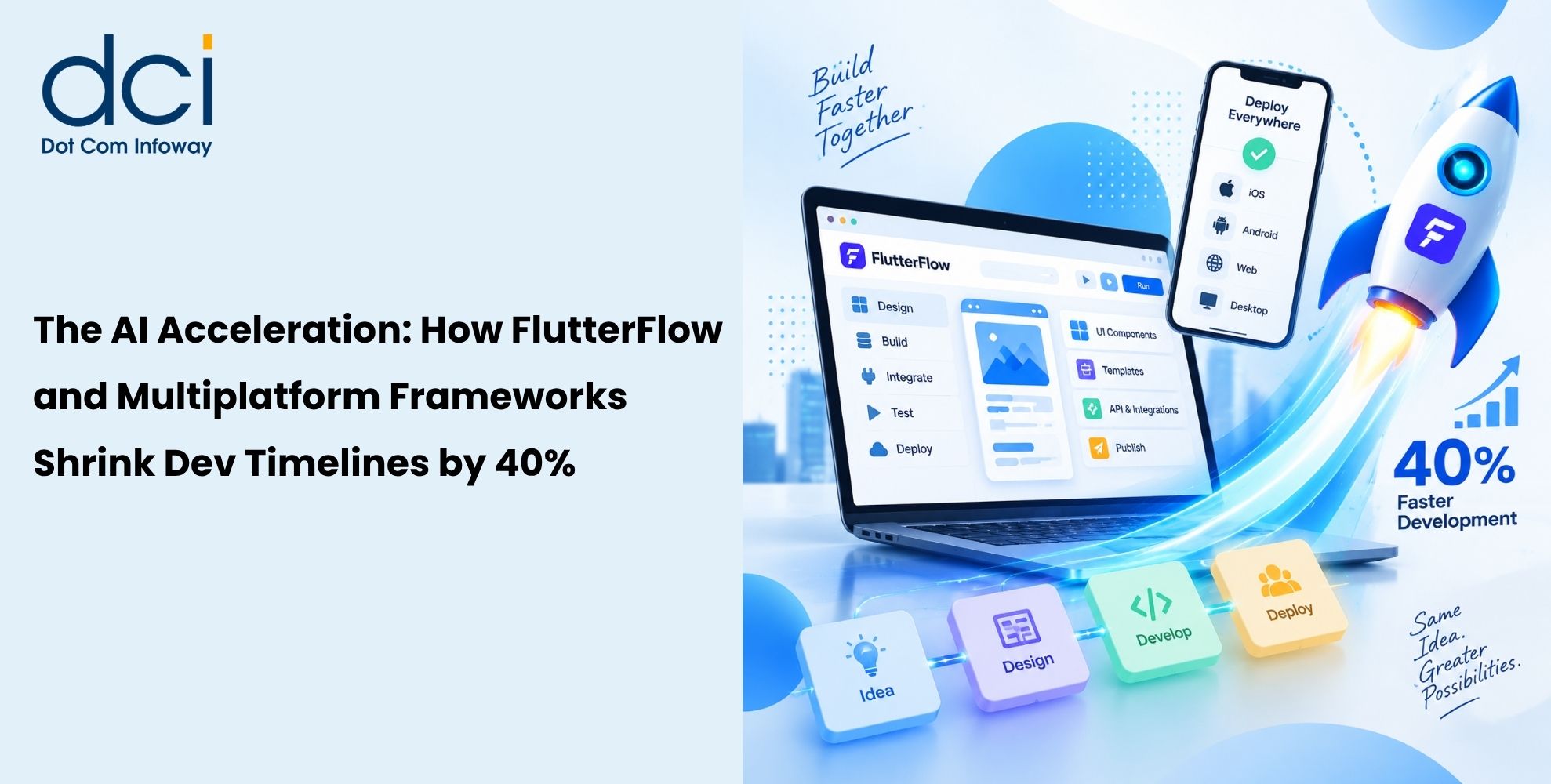
The AI Acceleration: How FlutterFlow and Multiplatform Frameworks Shrink Dev Timelines by 40%
The mobile app development landscape is changing faster than ever. Businesses today need powerful digital products delivered quickly, but traditional development processes often involve long coding cycles, separate teams for different platforms, and higher development costs. The rise of AI-powered...
 September 16, 2026
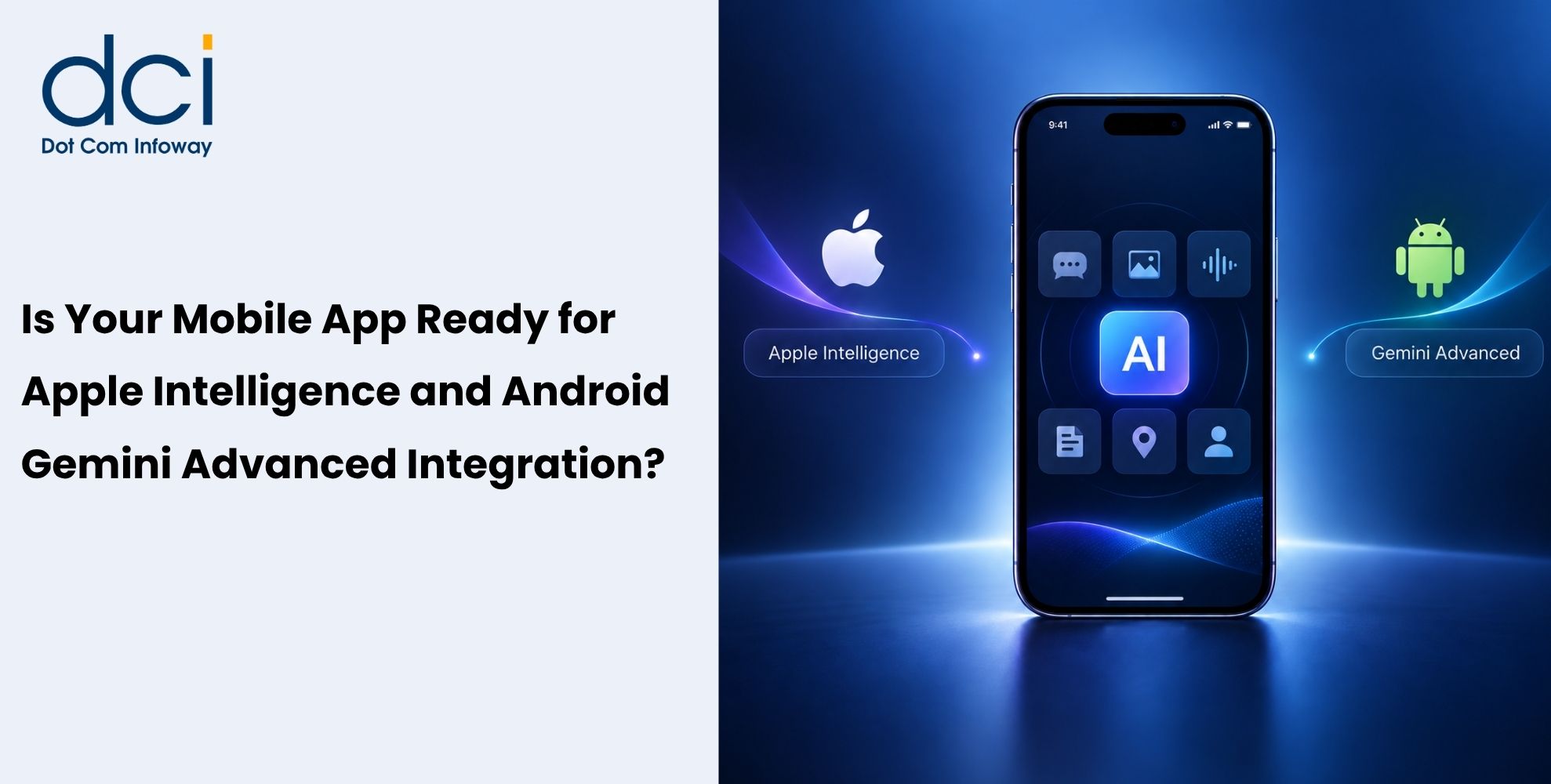
Is Your Mobile App Ready for Apple Intelligence and Android Gemini Advanced Integration?
The mobile industry is moving from traditional application experiences toward intelligent, adaptive platforms. Businesses today need AI-ready mobile apps that can support emerging technologies like Apple Intelligence and Android Gemini Advanced to deliver faster, smarter, and more personalized user...
 September 14, 2026
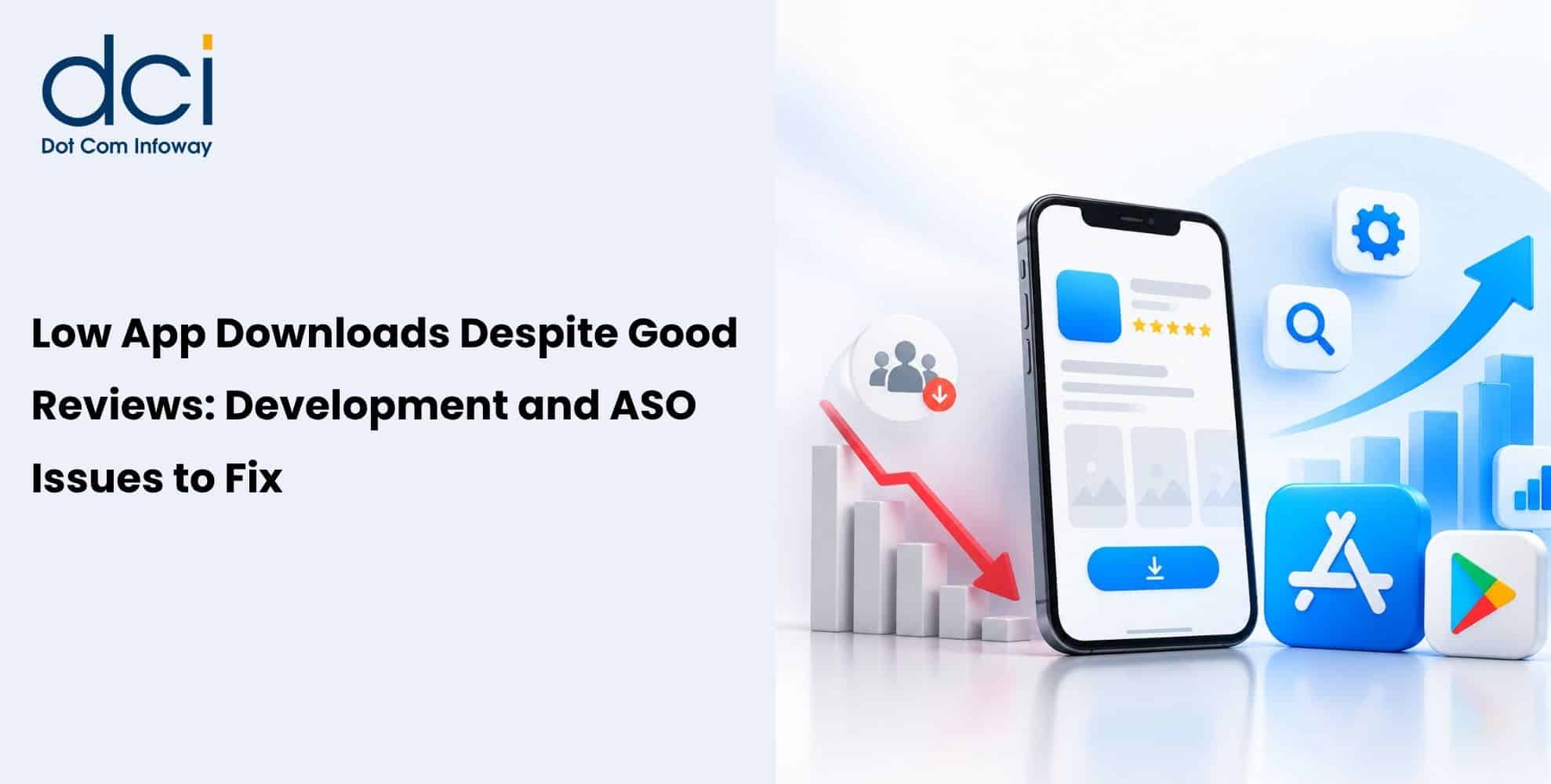
Low App Downloads Despite Good Reviews: Development and ASO Issues to Fix
An application can receive excellent ratings, positive customer feedback, and strong user satisfaction but still struggle to attract new users. Low app downloads despite good reviews is a challenge many businesses face after launching their mobile applications. While reviews...
 September 10, 2026
How Apple’s New A20 Pro Chip Reshapes Mobile App Performance Capabilities
The Apple A20 Pro chip changes what product teams can reasonably ask an iPhone app to do in real time. Built on a 2-nanometer process, the processor combines a six-core CPU, seven-core GPU, integrated Neural Accelerators, a dual 16-core...
 September 09, 2026
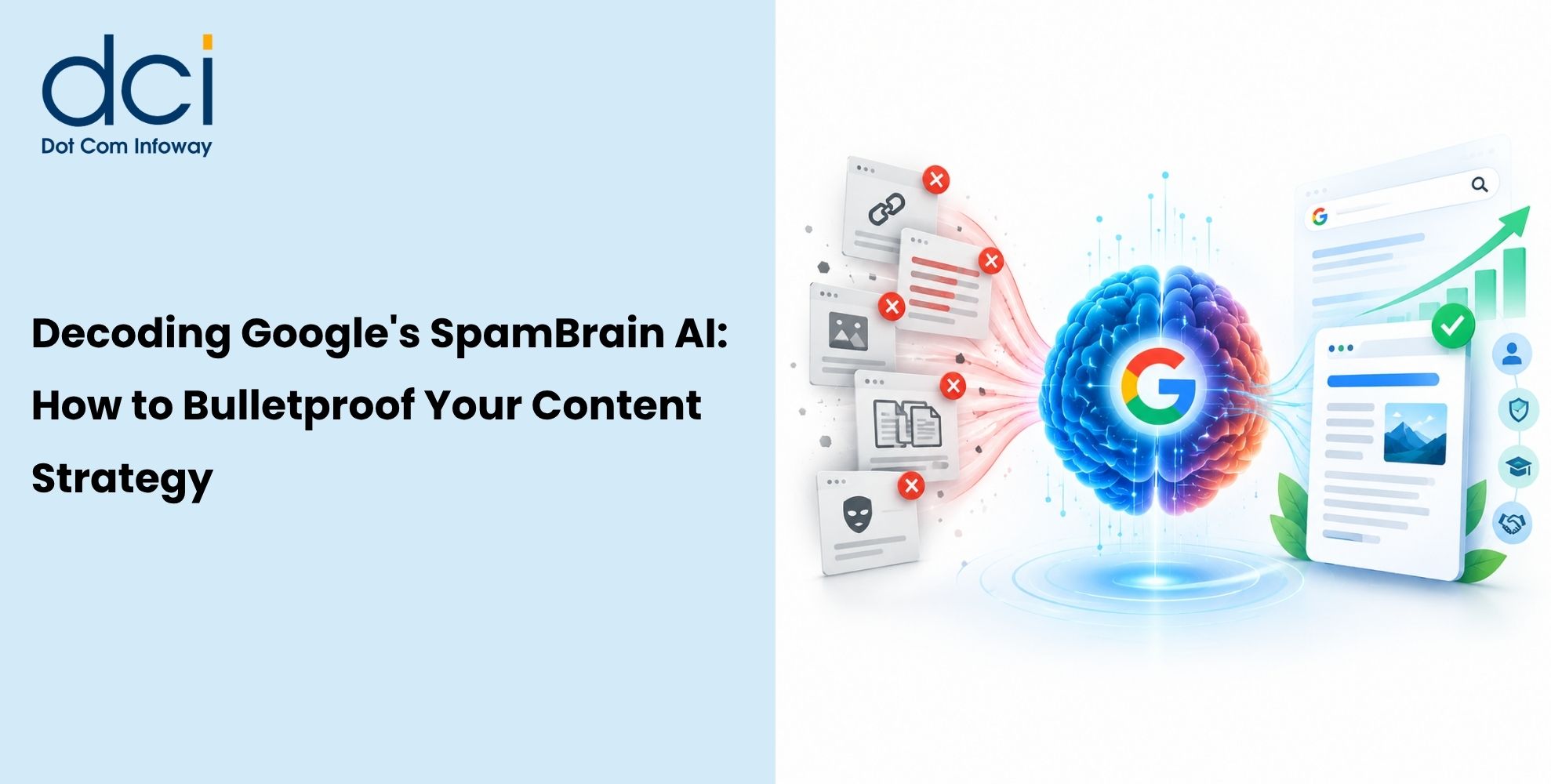
Decoding Google’s SpamBrain AI: How to Bulletproof Your Content Strategy
SEO has changed significantly over the years. Search engines no longer evaluate content only based on keywords, backlinks, or publishing frequency. Today, factors such as content quality, expertise, originality, and user satisfaction play a major role in determining search...
Get the latest insights from Dot Com Infoway straight to your inbox.