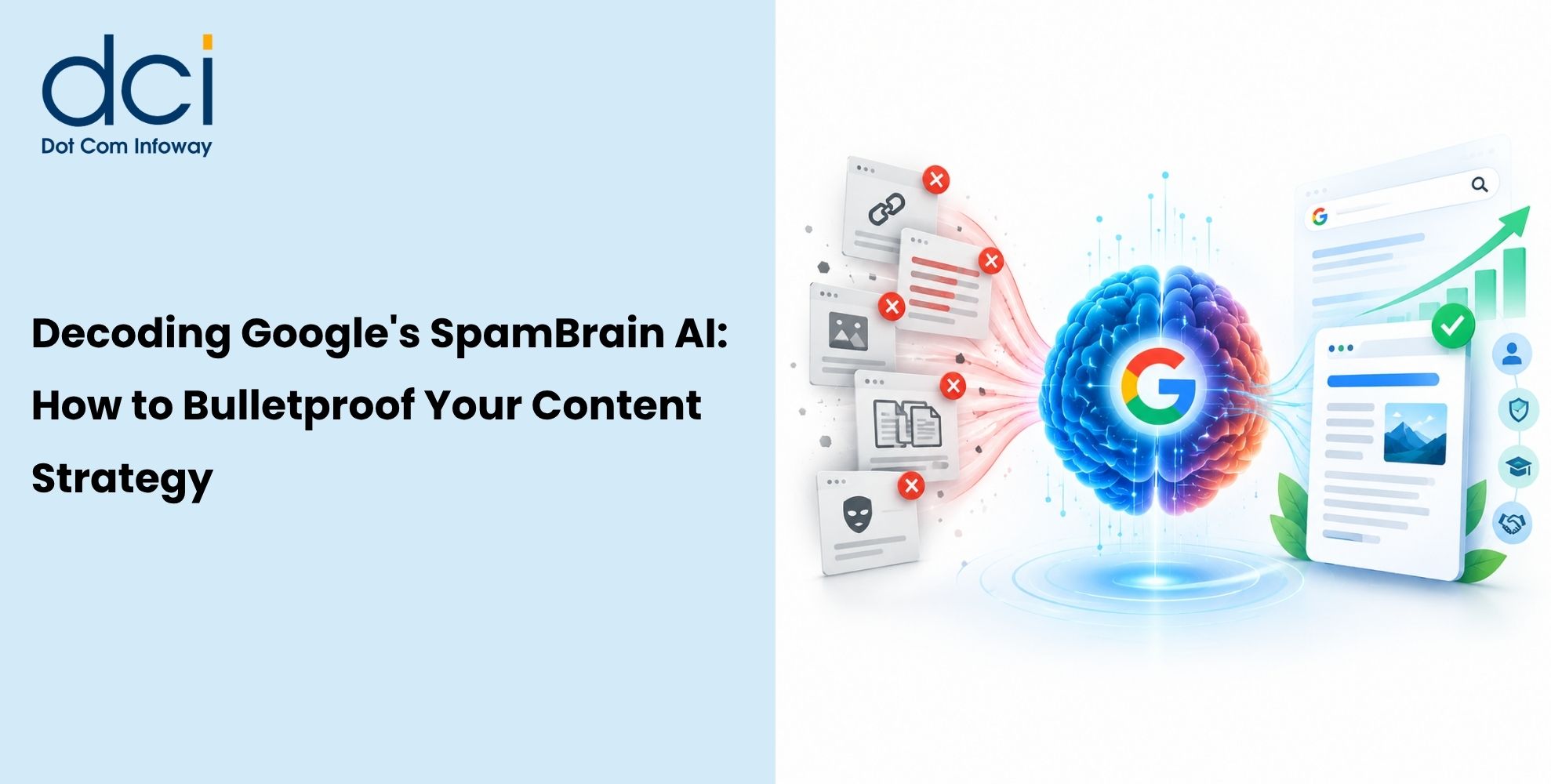
Search Engines Are Prioritizing Context More Than Ever
Backlinks still matter, but they are no longer enough to guarantee strong rankings.
Many websites continue publishing content filled with repetitive keywords, weak structure, and generic explanations while expecting backlinks alone to improve visibility. That strategy is becoming less effective because modern search systems analyze content much more deeply.
Today, search engines evaluate contextual relevance, semantic relationships, topical depth, readability, and user-intent alignment. As a result, pages with fewer backlinks but stronger semantic optimization can sometimes outperform pages with much larger backlink profiles.
This shift is becoming increasingly visible across competitive industries.
Organic Impressions Are Growing Through Semantic Reach
One of the biggest SEO trends today is that impressions often increase before rankings fully stabilize. According to Google, websites can appear for significantly more query variations as search systems improve their understanding of topic relationships and intent. Many SEO studies also show that pages with stronger semantic relevance tend to gain wider keyword visibility before achieving consistent top positions.
Semantically optimized pages naturally begin appearing for a broader range of related search queries. For example, a page targeting “mobile app marketing services” may also rank for searches connected to AI search optimization, semantic SEO strategies, AI-driven visibility, or improving app discoverability.
Google’s AI systems now understand relationships between topics far better than before. Instead of relying only on exact-match keywords, search engines evaluate how concepts connect across a page. In fact, industry research shows that long-tail and semantically related queries now account for nearly 70% of overall search traffic, highlighting how modern SEO visibility depends heavily on contextual relevance rather than isolated keywords alone.
This broader contextual understanding allows websites to expand visibility without aggressively building new backlinks.
AI Search Platforms Prefer Structured Content
AI-powered search platforms process content differently from traditional search engines.
Tools like ChatGPT and Perplexity AI prefer content that is clearly structured, contextually rich, and easy to extract. Large blocks of text with weak formatting often struggle to appear in AI-generated search responses.
Meanwhile, websites using conversational formatting, semantic SEO strategies, schema markup, and topical clustering are becoming far more visible across AI-powered search experiences. This is where AI-powered on-page optimization is creating a major competitive advantage for modern businesses.
Many SEO teams still underestimate how important content structure and semantic organization have become.
Semantic SEO Is Becoming a Major Ranking Factor
Traditional SEO relied heavily on keyword repetition. Modern AI-driven search systems focus more on understanding how related concepts connect together within content. According to multiple industry SEO studies, pages with strong semantic relevance and topical depth can rank for hundreds of related keyword variations beyond their primary target phrase, significantly expanding overall search visibility.
For example, content discussing SEO optimization should naturally include related topics such as topical authority, internal linking, contextual relevance, conversational search behavior, and AI visibility. This helps search engines understand the topic more comprehensively instead of treating the page as a single-keyword document.
Because of this, semantically optimized pages are increasingly ranking for a much wider range of keyword variations and long-tail searches. In fact, long-tail keywords now contribute to nearly 70% of total search traffic, showing how modern search engines prioritize contextual understanding over exact-match keyword usage. Businesses implementing stronger semantic SEO strategies are seeing improved performance across both traditional and AI-powered search environments.







![The Game Marketing Guide: Pre and Post-Launch Strategies [Infographic]](https://www.dotcominfoway.com/wp-content/uploads/2023/09/DCI-Game-Marketing-blog-1.jpg)