Why Traditional SEO Is No Longer Enough
For years, SEO strategies focused mainly on backlinks, keyword rankings, and domain authority. Those signals still matter, but AI-powered search works differently.
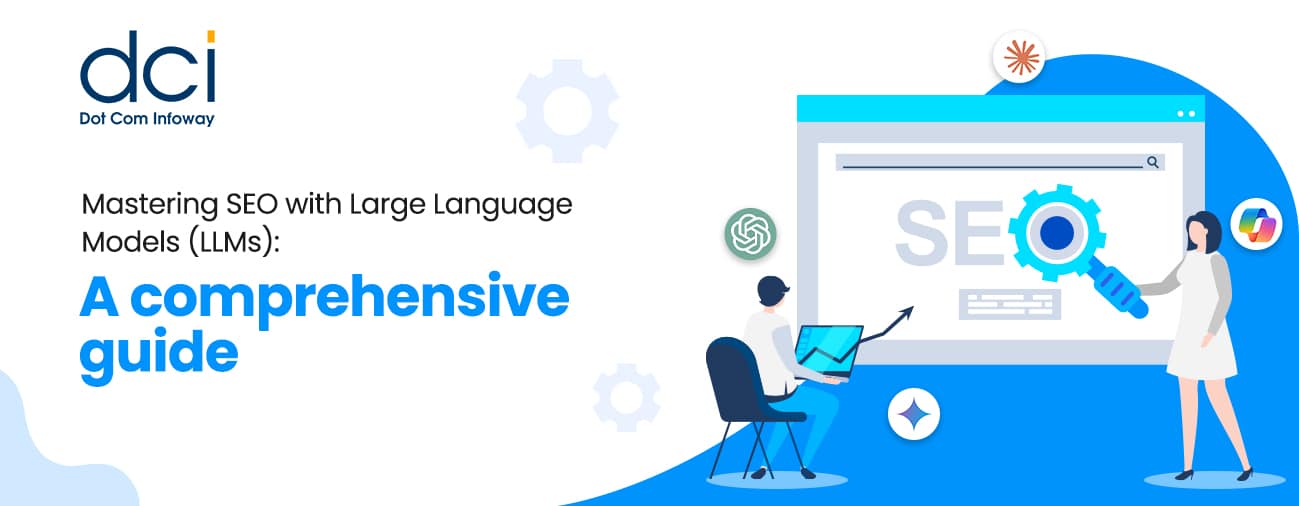
Platforms like ChatGPT and Perplexity prioritize contextual relevance, conversational clarity, semantic depth, and trusted brand mentions. That is why some competitors suddenly dominate AI-generated responses even with smaller websites or fewer backlinks.
A lot of businesses still publish content written mainly for search engine crawlers. Generic keyword-heavy blogs are becoming easier for AI systems to ignore. Instead, AI Search Optimization focuses on creating content that directly answers questions in a natural, helpful, and experience-driven way.
For example, a generic article titled “Best CRM Software” may struggle inside AI search systems. But a discussion-based article like “Which CRM works best for remote SaaS startups?” has a much higher chance of appearing in AI-generated answers because it aligns more closely with how users actually search.
AI systems retrieve context and intent rather than exact keywords alone.
Why Competitors Keep Appearing in AI Search
One of the biggest reasons competitors repeatedly appear in AI-generated recommendations is topical authority.
If a brand consistently publishes useful content around AI SEO, semantic search, conversational search behavior, and AI visibility strategies, AI systems begin associating that company with expertise. Over time, those associations become stronger.
The more frequently AI systems retrieve a brand as a reliable source, the more likely they are to recommend it again in future responses.
Another important factor is visibility beyond traditional SEO.
Many businesses focus heavily on backlinks while ignoring conversations happening across Reddit, Quora, podcasts, industry discussions, and expert communities. AI systems pull information from conversational ecosystems more often than many marketers realize.
That is one reason Reddit-friendly content is becoming increasingly important for AI visibility.
Content that feels too promotional or robotic often performs worse than content that sounds direct, useful, and experience-driven.
Why Conversational Content Performs Better
One of the biggest changes happening right now is how AI systems evaluate content quality.
Users interact with AI platforms conversationally. Naturally, AI systems prefer answers written in a conversational format.
That does not mean content should sound casual or unprofessional. AI Search Optimization means avoiding robotic keyword repetition and overly polished corporate writing that feels unnatural, while keeping the content clear, credible, and helpful.
Many traditional SEO blogs still repeat the same keyword excessively throughout the article. AI systems are becoming better at identifying content created purely for ranking purposes.
Instead, modern content needs semantic relevance, natural language flow, contextual explanations, and scannable formatting.
This is where many businesses fall behind.
They are still optimizing content for older search engine behavior while competitors are optimizing for both human readers and AI retrieval systems.
What Businesses Doing Well in AI Search Are Focusing On
Businesses gaining visibility in AI-generated search results are approaching content differently.
Instead of creating pages around broad keywords alone, they focus on real user intent and practical discussions.
Rather than targeting a generic keyword like “SEO Agency,” they create content around topics such as:
“Why ChatGPT never recommends our business”
or
“How AI platforms decide which companies to mention.”
This structure aligns naturally with conversational search behavior.
They also improve content readability for AI extraction. AI systems prefer pages with clear headings, concise explanations, semantic structure, and logical contextual flow.
Websites filled with cluttered layouts and excessive promotional language become harder for AI systems to summarize accurately.
Another major shift involves entity optimization.
AI systems trust brands that consistently appear across multiple trusted sources. That includes blog mentions, expert discussions, review platforms, community conversations, and industry references.
This is one reason companies investing in LLM SEO services are focusing more on semantic authority and brand visibility rather than backlinks alone.








![The Game Marketing Guide: Pre and Post-Launch Strategies [Infographic]](https://www.dotcominfoway.com/wp-content/uploads/2023/09/DCI-Game-Marketing-blog-1.jpg)