



Mobile users expect fast, reliable, and seamless experiences across devices. As businesses evaluate the best app development service strategies to improve customer engagement and maximize ROI, many are increasingly choosing PWAs Over Native Apps. Progressive Web Apps (PWAs) combine the accessibility of websites with app-like functionality, enabling brands to reach more users while reducing the friction associated with traditional app downloads.
Why Businesses Are Choosing PWAs Over Native Apps: How One Brand Reached 3X More Mobile Users
8 mins read
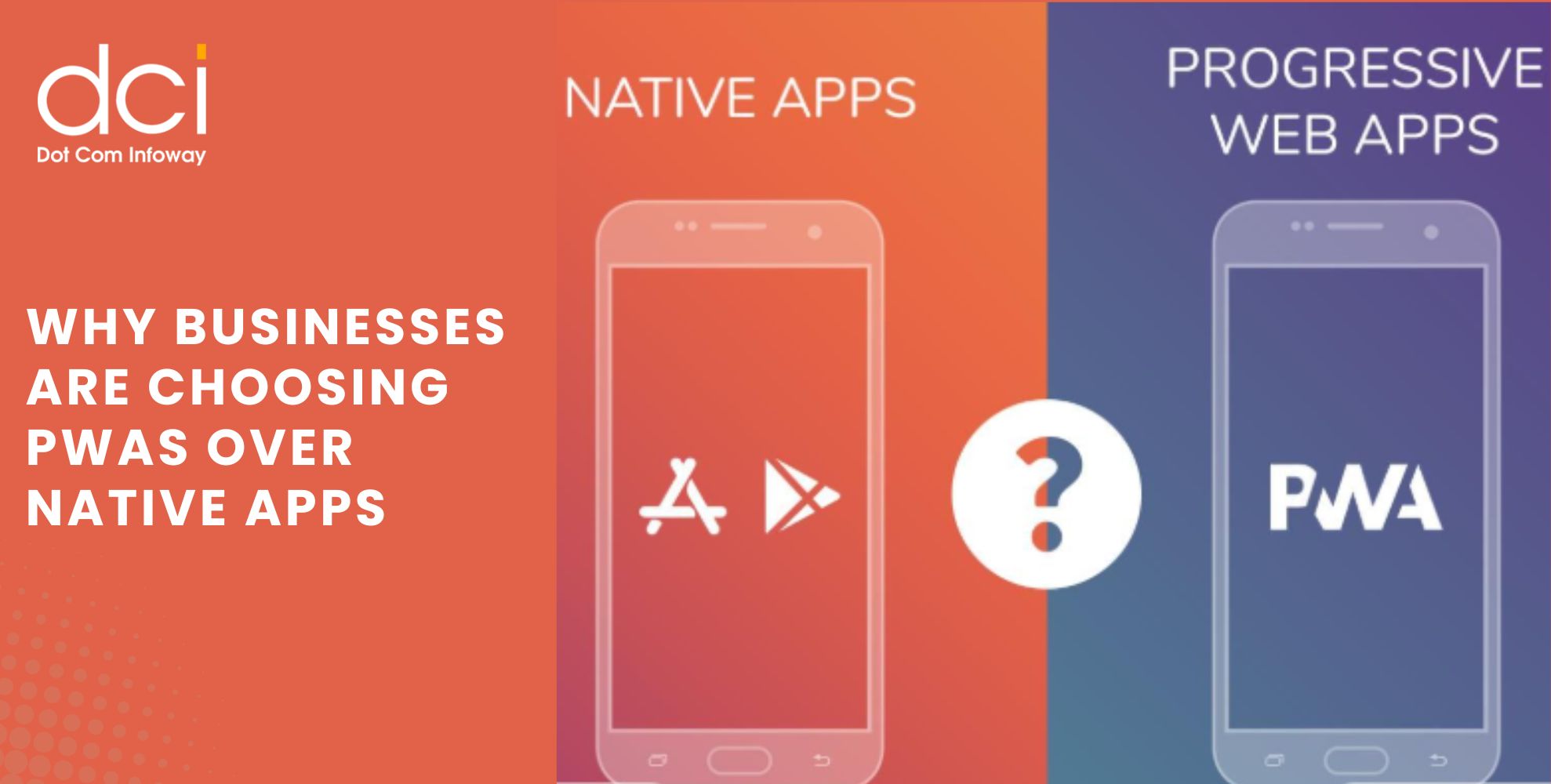
The Growing Challenge of Mobile App Adoption
For years, native applications were the preferred choice for businesses looking to strengthen their mobile presence. Dedicated Android and iOS apps offered advanced functionality and personalized experiences, making them a key part of digital strategies.
However, user behavior has changed significantly. Studies show that smartphone users spend most of their time on a small number of frequently used apps. Convincing users to download a new application has become increasingly difficult due to storage concerns, installation effort, and app fatigue.
This creates a challenge for businesses. Customers expect app-like experiences, but many are unwilling to go through the process of downloading and installing another application. As a result, organizations are looking for solutions that provide convenience without compromising performance.
Why Progressive Web Apps Are Gaining Momentum
A Progressive Web App delivers many of the features users expect from a native application while remaining accessible through a web browser. Users can access the experience instantly and even save it to their home screen without visiting an app store.
This approach is gaining popularity because it addresses several common business challenges.
Faster Access for Users
Every additional step in a customer journey can reduce engagement. Native apps require users to search, download, install, and often register before they can access content or services.
PWAs remove these barriers by providing immediate access through a browser.
Benefits include:
- Faster onboarding experiences
- Increased user engagement
- Reduced abandonment rates
For businesses focused on growth, reducing friction often leads to stronger user adoption.
Lower Development Costs
Developing and maintaining separate applications for Android and iOS requires substantial resources. A PWA operates through a single codebase, reducing development complexity and ongoing maintenance requirements.
This allows businesses to launch updates faster, manage fewer technical challenges, and allocate resources more efficiently.
Companies exploring modern app growth strategies are increasingly considering PWAs as a cost-effective way to expand their mobile presence.
How One Brand Reached 3X More Mobile Users
Alibaba remains one of the most frequently cited examples of successful PWA adoption.
After introducing its Progressive Web App experience, the company reported significant improvements in user engagement and mobile conversions. Industry reports showed that Alibaba substantially increased its mobile reach by making access easier and removing the need for app installation.
The results demonstrated a simple but important lesson: when users can access services instantly, engagement often increases.
Alibaba is not alone. Global brands such as Starbucks, Pinterest, and Twitter have also leveraged PWAs to improve accessibility and deliver consistent experiences across different devices and network conditions.
These examples highlight how businesses can expand their audience without relying solely on traditional mobile applications.
Delivering Better Experiences Across Devices
User experience has become one of the most important factors influencing customer satisfaction and retention.
PWAs are designed to perform consistently across smartphones, tablets, and desktop devices. Whether users access a platform from Android, iOS, or a web browser, they receive a similar experience.
Key advantages include:
- Fast page loading
- Responsive design
- Offline accessibility
- Home screen installation
- Smart push notifications
These capabilities help businesses maintain engagement while making services more convenient for users.
Organizations focused on improving user retention often find that a smoother experience contributes directly to stronger long-term engagement.

Looking to reach more mobile users without the cost and complexity of native apps?
See how a Progressive Web App (PWA) can help your business expand its mobile reach, improve engagement, and deliver a seamless user experience. Get in touch with our experts today.
Reaching Users in Low-Connectivity Environments
Internet connectivity is not always reliable. In many regions, users frequently experience slow networks or unstable connections.
PWAs use modern caching technologies that allow content to load efficiently and remain partially accessible even when connectivity is limited.
This capability is particularly valuable for:
- eCommerce businesses
- Educational platforms
- Healthcare providers
- Travel companies
- Service-based applications
By improving accessibility under real-world conditions, businesses can serve a broader audience and create more dependable user experiences.
Are Native Apps Still Necessary?
While PWAs offer significant advantages, native applications continue to play an important role in specific scenarios.
Applications that require deep hardware integration, advanced graphics processing, augmented reality capabilities, or specialized security requirements may still benefit from native development.
Examples include:
- High-performance gaming apps
- Advanced financial applications
- AR and VR platforms
- Enterprise security solutions
For many businesses, however, the primary objective is to make services accessible, convenient, and easy to use. In these cases, a PWA often provides the right balance between functionality and cost efficiency.
Organizations are also exploring innovations such as AI-native apps, which combine intelligent automation with highly personalized user experiences.
The Future of Mobile Experiences
The discussion around mobile applications is no longer limited to technology preferences. Businesses are increasingly focused on reaching users wherever they are and providing value with minimal effort.
Consumers expect speed, convenience, and consistency. They want experiences that work instantly without requiring multiple downloads, updates, or complicated installation processes.
PWAs align closely with these expectations by combining the flexibility of the web with many of the features traditionally associated with native apps.
As mobile usage continues to grow worldwide, businesses that simplify access and remove barriers will be better positioned to attract and retain users.
Final Thoughts
The growing preference for PWAs Over Native Apps reflects a shift in both customer expectations and business priorities. Users want quick access to services, while businesses want scalable solutions that maximize reach and engagement.
By reducing installation barriers, lowering development costs, and delivering fast, reliable experiences across devices, PWAs offer a compelling alternative to traditional mobile applications. Success stories from companies such as Alibaba, Starbucks, Pinterest, and Twitter demonstrate the impact that a well-executed Progressive Web App strategy can have on user growth.
As organizations continue investing in mobile innovation, PWAs Over Native Apps will remain an increasingly attractive approach for delivering seamless digital experiences. For many businesses, the decision is no longer about choosing between a website and an app—it is about creating the most accessible and effective experience for users.
Must Read
Trending Blogs

![The Game Marketing Guide: Pre and Post-Launch Strategies [Infographic]](https://www.dotcominfoway.com/wp-content/uploads/2023/09/DCI-Game-Marketing-blog-1.jpg)
Latest Posts
June 25, 2026
Why Businesses Are Choosing PWAs Over Native Apps: How One Brand Reached 3X More Mobile Users
Mobile users expect fast, reliable, and seamless experiences across devices. As businesses evaluate the best app development service strategies to improve customer engagement and maximize ROI, many are increasingly choosing PWAs Over Native Apps. Progressive Web Apps (PWAs) combine...
 June 22, 2026
50K App Downloads but Poor Retention: Which Metrics Matter More Than Installs?
Getting 50,000 app downloads is a milestone that many businesses celebrate. It often indicates that user acquisition campaigns, app store visibility, and marketing efforts are generating results. However, downloads alone do not determine whether an app is truly successful....
 June 18, 2026
How to Measure Your Website’s AI Visibility Before Your Competitors Do
The way people search online is changing rapidly. Instead of browsing through multiple search results, users increasingly rely on AI-powered platforms such as ChatGPT, Gemini, Perplexity, Claude, and Google AI Overviews for instant answers. As a result, AI Visibility...
 June 15, 2026
How Founder-Led Marketing Drives Business Growth: Insights from Dot Com Infoway’s Webinar
In today's highly competitive digital environment, businesses are finding it harder than ever to earn customer trust. Consumers are exposed to countless ads, social media promotions, and AI-generated content every day. As a result, authentic communication has become a...
 June 15, 2026
SEO vs AEO vs GEO: What Businesses Need to Win AI Search in 2026
The way people discover information online is changing rapidly. Instead of relying solely on Google search results, users are increasingly turning to AI-powered platforms such as ChatGPT, Gemini, Perplexity, and Google AI Overviews to find answers, compare solutions, and...
 June 12, 2026
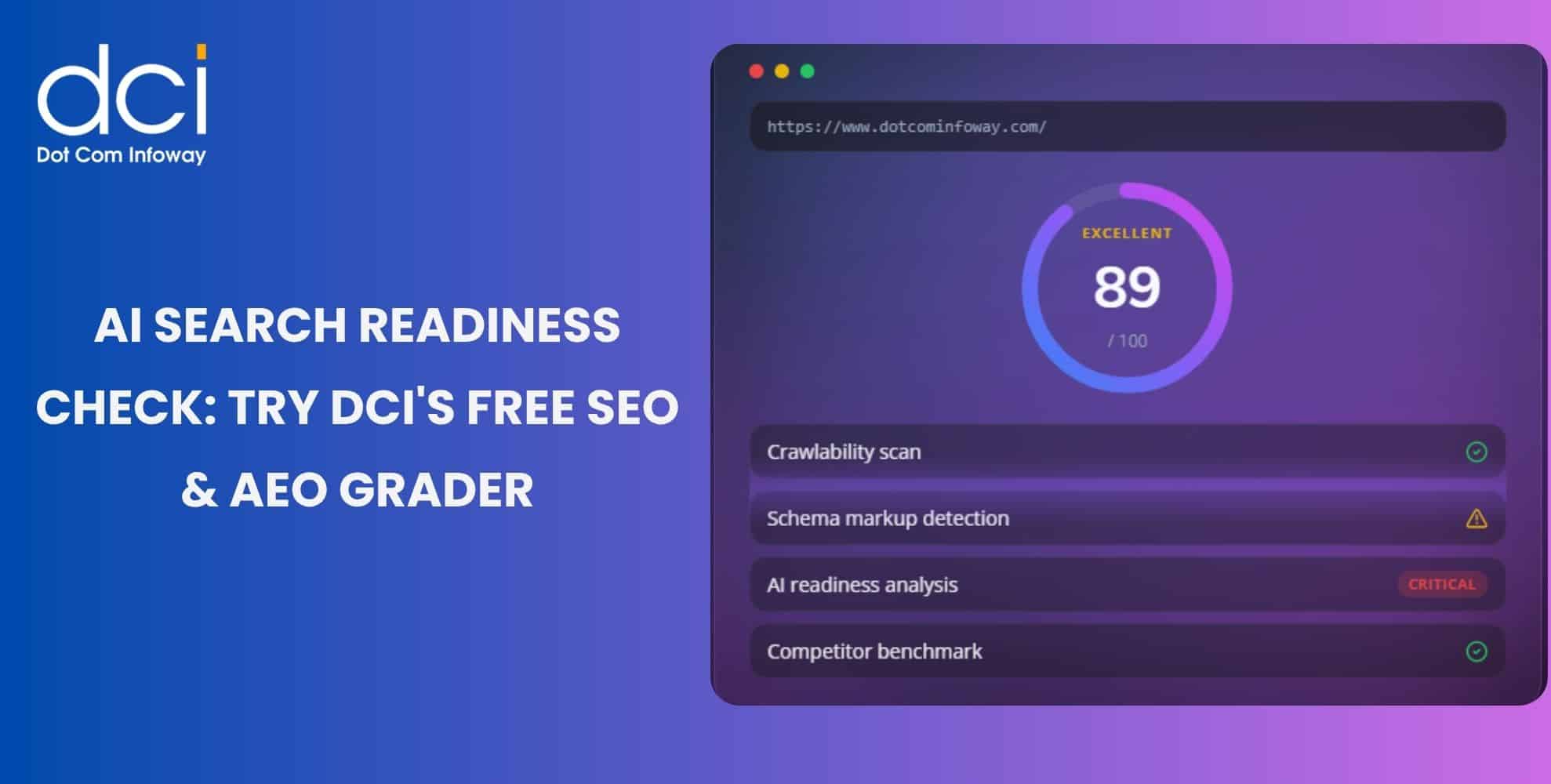
AI Search Is Reshaping Discovery: Use DCI’s Free SEO & AEO Grader Tool to Measure Your Website’s Readiness
Search is changing fast. Users now ask ChatGPT for recommendations, compare options on Perplexity, read Gemini summaries, and check Google AI Overviews before visiting websites. This shift makes the SEO & AEO Grader Tool important for brands that want...
 June 11, 2026
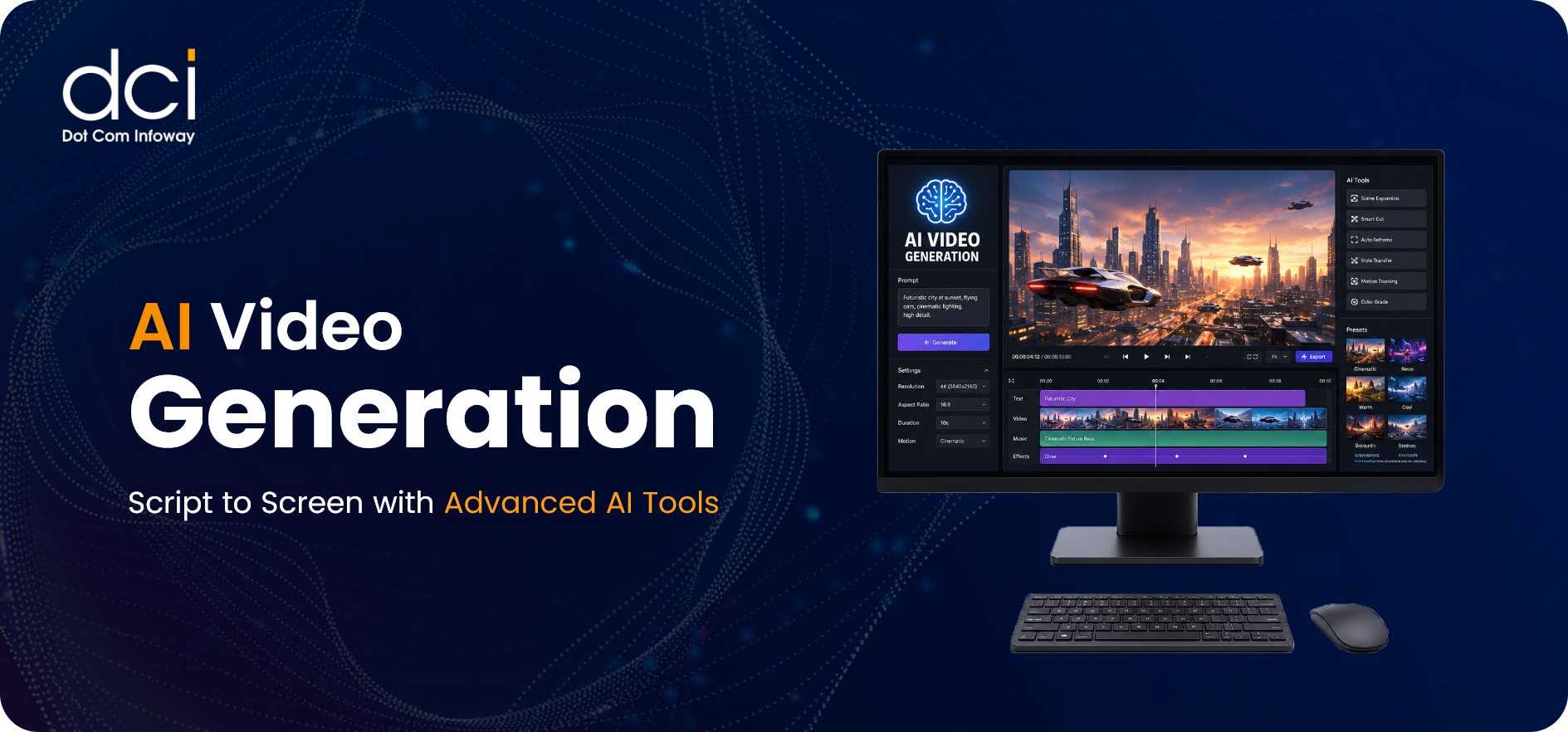
AI Video Generation: Script to Screen with Advanced AI Tools
AI video generation is reshaping how brands, creators, and studios produce visual content. With advanced AI tools, teams can turn scripts, prompts, blogs, images, or product ideas into ready-to-publish videos for ads, reels, trailers, explainers, and campaigns. How can a...
 June 10, 2026
E-E-A-T in the Age of AI: Why Google’s Trust Framework Is Now the Gateway to Both Organic and AI-Generated Visibility
Search visibility is changing quickly. Ranking on Google is no longer only about keywords, backlinks, and technical SEO. The Google Trust Framework now plays a major role in how brands build credibility across Google Search, AI Overviews, ChatGPT, Gemini,...
 June 08, 2026
The Honest Truth About AI Chatbots for Customer Support: What Worked, What Didn’t, and What Surprised Us After 6 Months
AI customer support chatbots are now a serious part of modern customer support. Businesses use them to answer common questions, reduce ticket pressure, and support customers outside regular working hours. But after six months of practical use, one thing...
 June 04, 2026
Stop Boosting Posts: The Digital Marketing Funnel That Delivered 3X ROAS for a D2C Brand in 90 Days
Boosting posts can increase visibility, but it does not always increase revenue. For D2C brands, the real challenge is not just getting more clicks; it is turning the right traffic into paying customers. A digital marketing funnel for D2C...
Get the latest insights from Dot Com Infoway straight to your inbox.