We’ve just launched the 11th infographic in our information graphic series, which details the nitty-gritty of app development and marketing that app creators will need to look into to be successful in their efforts.
10-Step Checklist to Build & Market a Successful App details the necessary course of action – step-by-step from app concept to launch – to help apps reach their full potential. Serving as a business model for developers and creative hopefuls, the infographic is composed of foundational notes and operational checkpoints as well as tips for general success.
There’s a popular misconception that developing a profitable app involves a certain amount of luck, when in reality it is a very formulaic process. While it’s difficult to predict what the next chart-topping commercial success is going to be, there are still methods to ensure that developers see some return on investment for their creative pursuits. The information we’ve presented, based on our expertise and collective experience, is a way for people to make sure all their bases are covered, so they can capitalize on their operational and marketing opportunities.
Covering everything from the initial concept to app store optimization, creating marketing buzz and getting press attention, our infographic is a must-have for every app developer’s desk.
Let’s imagine that there is a customer who shops online. He browses the online store’s catalog, finds the item that he wants to purchase, and adds it to his cart. However, he does not complete the order, resulting in...
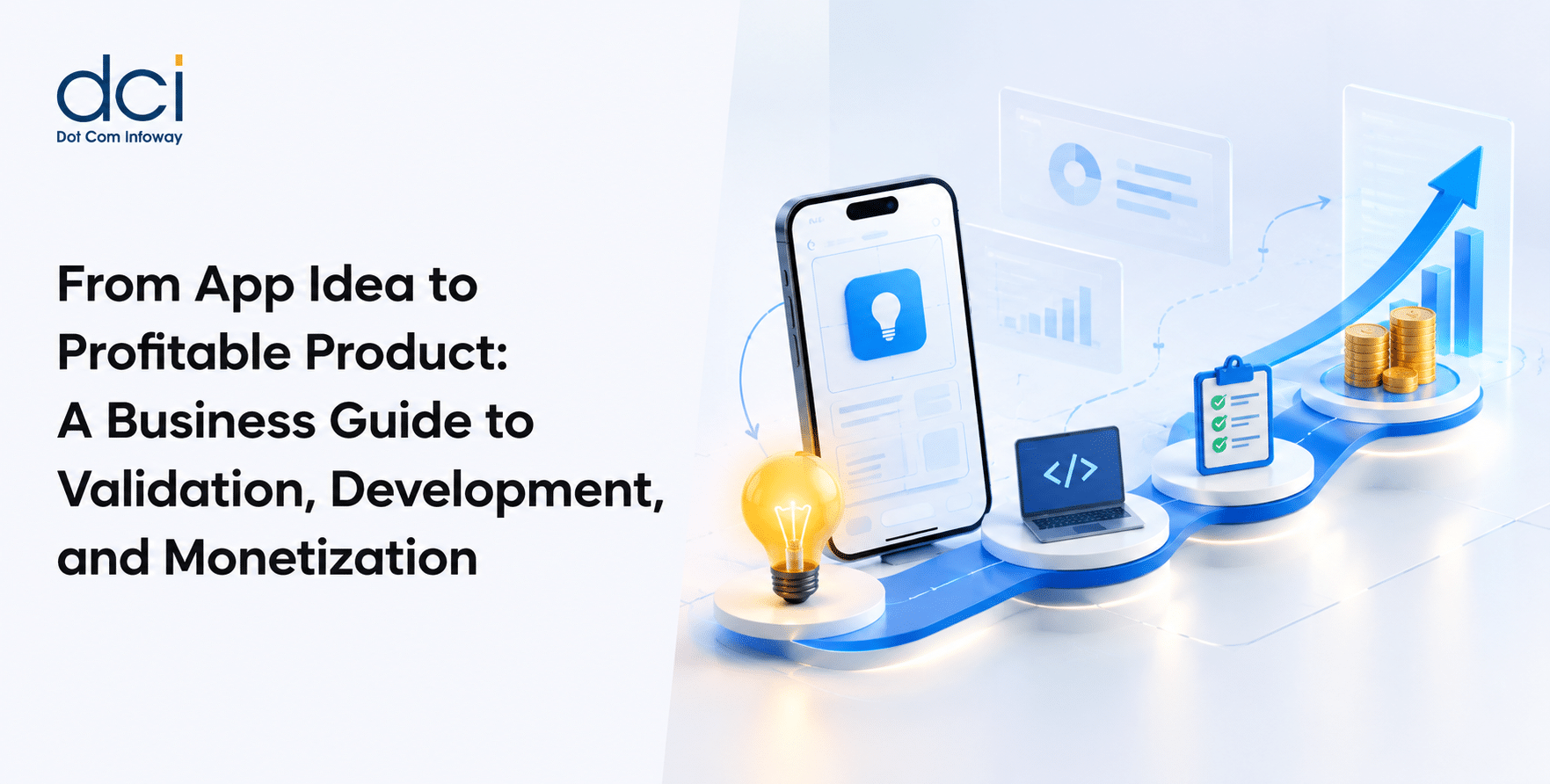
Every business wants to turn its ideas into successful applications. However, many organizations invest in development and distribution without knowing whether their products will attract customers or generate revenue. As a result, they waste resources creating applications that may...
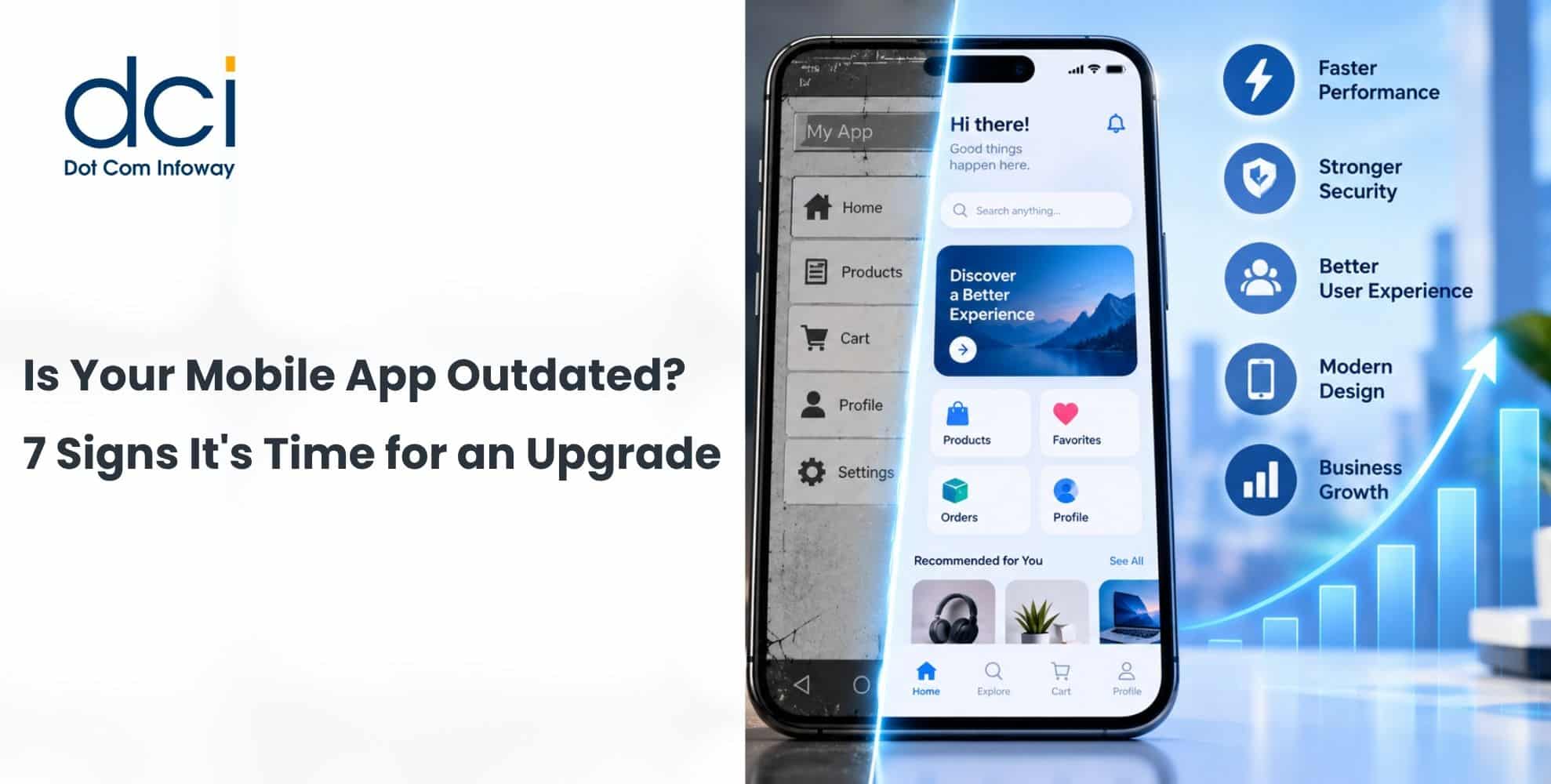
Your app launched to great reviews, but a few years on, downloads have flattened and complaints are creeping in. If your business needs a mobile app upgrade, it may be time to consider modernizing it. Devices, operating systems, and...
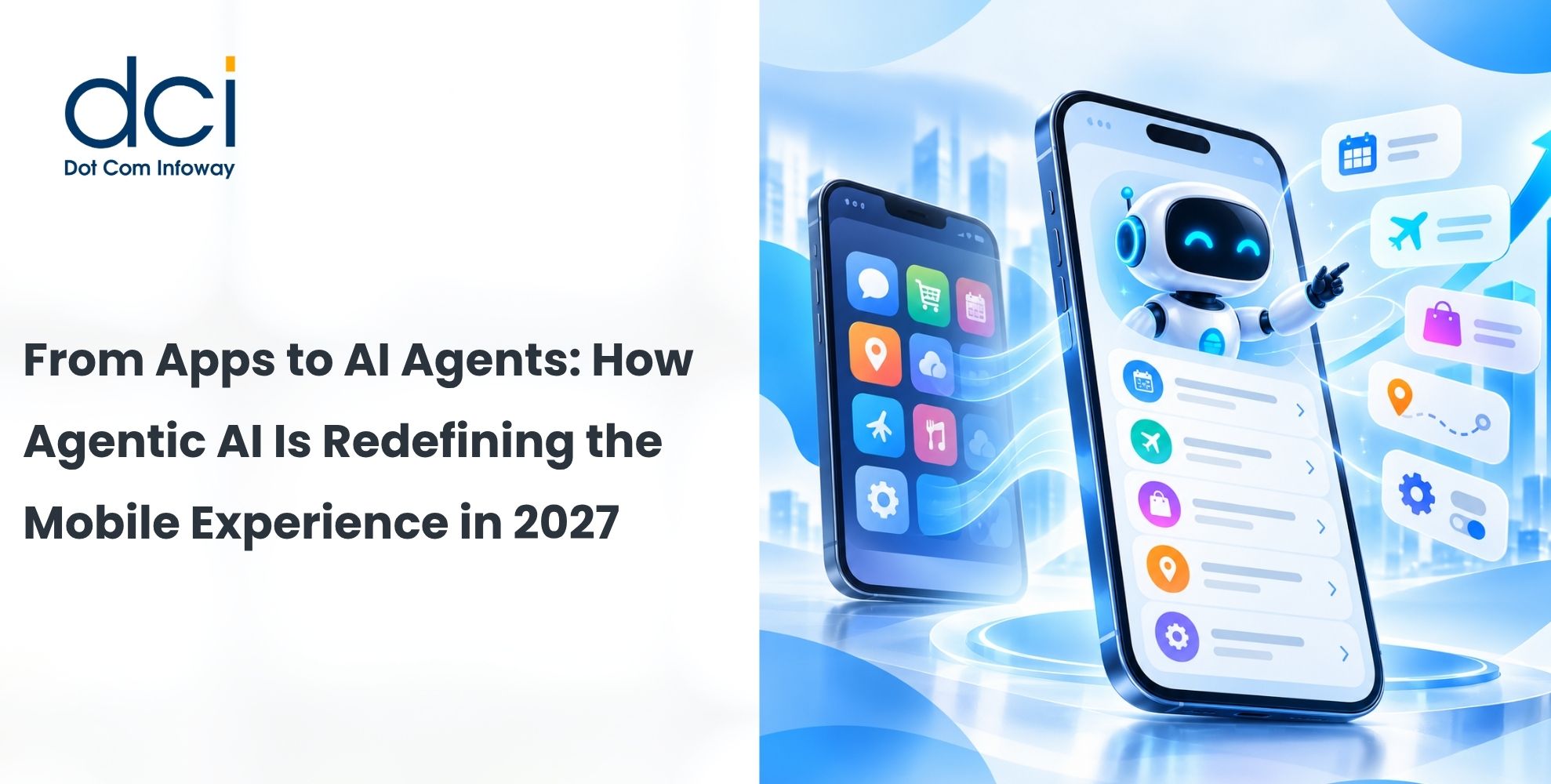
For years, the mobile experience has followed a familiar pattern: users open an app, navigate through menus, enter information, select an action, and wait for a result.
Agentic AI is beginning to change that model.
Instead of requiring users to manually...
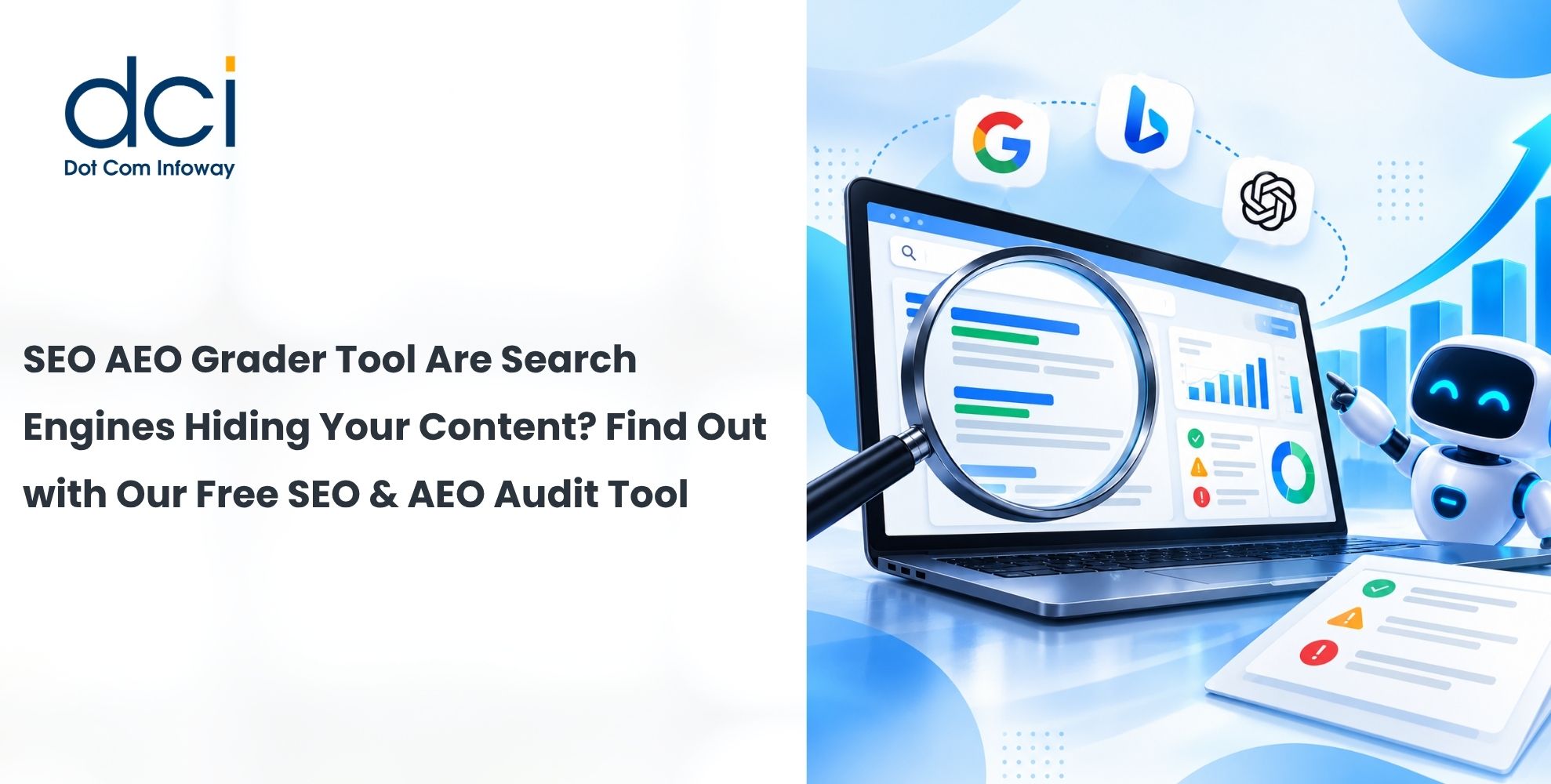
You publish high-quality content, optimize your website, and follow SEO best practices, but your pages still struggle to appear on search engines. You are not alone. Many businesses face the same challenge where their content exists online but fails...
A website can appear successful on the surface while quietly developing problems underneath. It may load correctly, handle current visitors, and support existing business operations, but that does not always mean it has a scalable website architecture prepared for...
Video has become one of the most important communication tools for modern B2B businesses. Companies use videos to explain complex products, showcase solutions, educate customers, support sales teams, and build stronger brand connections. However, as businesses demand more content...
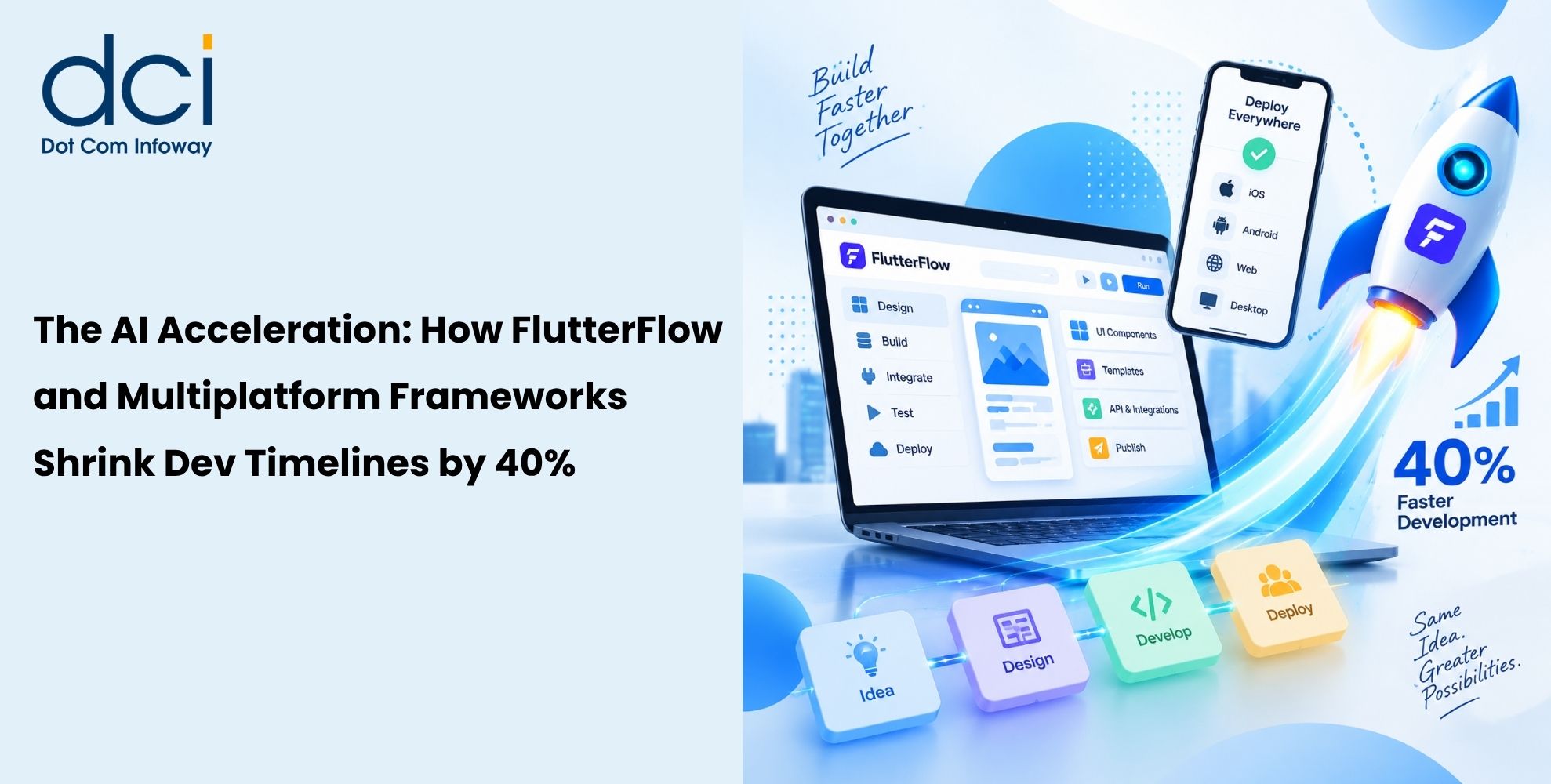
The mobile app development landscape is changing faster than ever. Businesses today need powerful digital products delivered quickly, but traditional development processes often involve long coding cycles, separate teams for different platforms, and higher development costs.
The rise of AI-powered...
The mobile industry is moving from traditional application experiences toward intelligent, adaptive platforms. Businesses today need AI-ready mobile apps that can support emerging technologies like Apple Intelligence and Android Gemini Advanced to deliver faster, smarter, and more personalized user...
An application can receive excellent ratings, positive customer feedback, and strong user satisfaction but still struggle to attract new users. Low app downloads despite good reviews is a challenge many businesses face after launching their mobile applications. While reviews...






![The Game Marketing Guide: Pre and Post-Launch Strategies [Infographic]](https://www.dotcominfoway.com/wp-content/uploads/2023/09/DCI-Game-Marketing-blog-1.jpg)