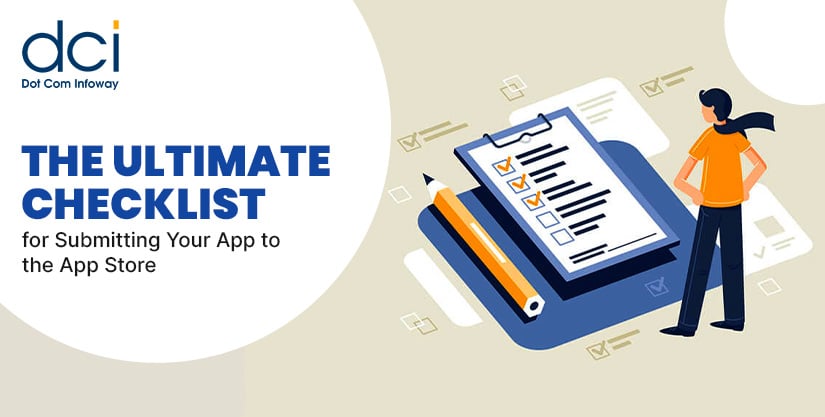
In today’s digital age, turning an app concept into reality and sharing it with the world has become more accessible than ever. The App Store serves as the doorway for most developers. However, beginners tend to wonder how to submit an app to the App Store
Before you consider mobile app marketing services to help you, allow us to walk you through the essential steps, provide invaluable tips, and ensure that your app is not only ready for the App Store’s stringent review process but also well-prepared to stand out in the crowded marketplace.
Crucial Preparations Before Submitting Your iOS App to the App Store
An equally important part of learning how to put an app on the App Store is knowing the preparatory steps to make the process as smooth as possible.
1. Developer Account Enrollment
This lays the groundwork for your App Store entry. Ultimately, embarking on your App Store journey commences with enrolling in the esteemed Apple Developer Program.
This pivotal step will set you back by $99 annually. But it does unlock not only the privilege to share your app but also grants access to exclusive perks. Dive into the world of beta versions of Apple software and harness powerful testing tools like TestFlight.
2. Preparing Your App Build and App Store Connect
This is where your app comes to life. Take your time to build a high-quality app that meets Apple’s standards. This involves crafting the requisite certificates demanded by Apple and sealing your app build with their approval.
3. Navigating Legal Compliance
Compliance with legal prerequisites in every region where it intends to thrive. A prime example is the European Union and European Economic Area (EU/EEA), where the influential GDPR directives have held sway since May 25, 2018.
Apple closely scrutinizes how your app handles user data, ensuring alignment with the Apple Developer Program License Agreement.
4. Familiarizing with Official Guidelines
In the App Store, achieving excellence is paramount. App Store guidelines meticulously highlight the importance of every aspect of the app publishing process, ensuring an exceptional user experience.
These guidelines serve as your compass, guiding you toward a successful app presence in the App Store. Adhering to them is key to standing out and thriving in this competitive ecosystem.
How the Publishing Process in the App Store Typically Goes?
Step 1: Start Your Journey by Registering an Apple ID
This is the first essential step. An Apple ID is your key to accessing all of Apple’s services.
Step 2: Elevate Your Access by Getting in the Apple Developer Program
After creating your Apple ID, sign up for the Apple Developer Program to access beta software, development tools, app testing, technical support, and analytics.
By signing up for the Apple Developer Program, you gain access to a range of crucial benefits, including the ability to publish your app, beta software access, testing tools, technical support, and more. It’s the foundation of your app’s journey to the App Store.
Step 3: Sign In to App Store Connect
Log in to App Store Connect using your Apple ID to manage your app’s presence on the App Store effectively.
App Store Connect is your command center for managing your app’s presence on the App Store. It’s where you control various aspects of your app’s listing and performance.
Step 4: Get Your App Submission-Ready
Next, certify it according to App Store Review Guidelines, reducing the risk of rejection.
This step ensures your app is up to par for the App Store. It involves a thorough certification test to guarantee that your app aligns with Apple’s guidelines, minimizing the risk of app rejection during review.
Step 5: Create a Compelling App Store Profile
Crafting your App Store listing is crucial for attracting users. It includes providing app details, content rights, age ratings, pricing, privacy policy, and deciding how your app will be released. An informative, attractive listing is vital for user engagement.
Maximize App Visibility: Your Path to More Downloads
Elevate your app’s visibility in the App Store! Collaborate with our App Marketing Agency to boost your app’s reach and downloads. Partner with us today for effective strategies and results.”
Visual marketing plays a significant role. Adding screenshots and previews gives potential users a clear picture of your app’s functionality and can significantly impact download decisions.
Step 7: Use Developer Essentials Like Xcode
Bundle, sign, and prepare your app with Xcode for a seamless submission process, which is especially crucial for developers.
This step involves bundling your app, managing its signing, and preparing it for submission to the App Store to ensure a hitch-free app submission process.
Want to know how to up your listing game further? Read our custom store listings guide now!
Check Your App’s Status Regularly
Monitoring your app’s status is a critical aspect of ensuring its success on the App Store. It provides insights into how well your app is performing, whether it meets user expectations, and if it complies with Apple’s guidelines.
This proactive approach helps you identify and address issues promptly, ultimately enhancing your app’s user experience.
Navigating Through iTunes Connect
iTunes Connect is your central hub for tracking your app’s status and performance. It provides valuable data and metrics that give you a comprehensive view of your app’s journey on the App Store. Understanding how to navigate and interpret the information within iTunes Connect is key to making informed decisions for your app’s future.
Action Based On Feedback
User feedback is a valuable resource for improving your app. It can shed light on user preferences, issues, and opportunities for enhancement. You have to learn how to effectively collect, analyze, and act upon user feedback to drive positive changes in your app.
Respond to Feedback from Apple
Apple’s review feedback is a vital part of the whole process. Learning how to interpret and respond to this feedback is essential to avoid common pitfalls and ensure your app complies with Apple’s guidelines.
Navigating Through The Feedback
That same feedback often contains valuable insights into what needs improvement in your app. Understanding and navigating this feedback to make the necessary enhancements should be one of your top priorities.
Making Necessary Changes
Once you’ve identified areas for improvement based on user feedback and Apple’s review comments, it’s time to implement changes. Prioritize and execute these modifications efficiently to enhance your app’s overall quality and user satisfaction.
Avoid Resubmission Pitfalls
Resubmitting your app after making changes requires careful consideration to prevent potential setbacks. Discuss common pitfalls with your app development company to avoid during the resubmission process.
Planning to develop more apps soon? You may want to brush up on the app marketing trends you should be zeroing in on.
Conclusion
Ultimately, the App Store is one of the better mobile app distribution platforms for developers because the app submission process is fairly easy.
This accessibility has opened doors for countless developers to share their innovations with a global audience, making it a pivotal marketplace for app creators.
However, it’s important to remember that while the submission process may be relatively straightforward, achieving success on the App Store requires more than just uploading an app.
It necessitates careful planning, continuous monitoring, and responsiveness to user feedback and platform guidelines. As a top app marketing agency, our doors are always open for those looking for better assistance in these steps.
Imagine that a business wants to establish its online presence. It can choose a website builder to launch a website quickly using ready-made templates, or invest in custom web development to create a website tailored to its specific needs....
Let’s imagine that there is a customer who shops online. He browses the online store’s catalog, finds the item that he wants to purchase, and adds it to his cart. However, he does not complete the order, resulting in...
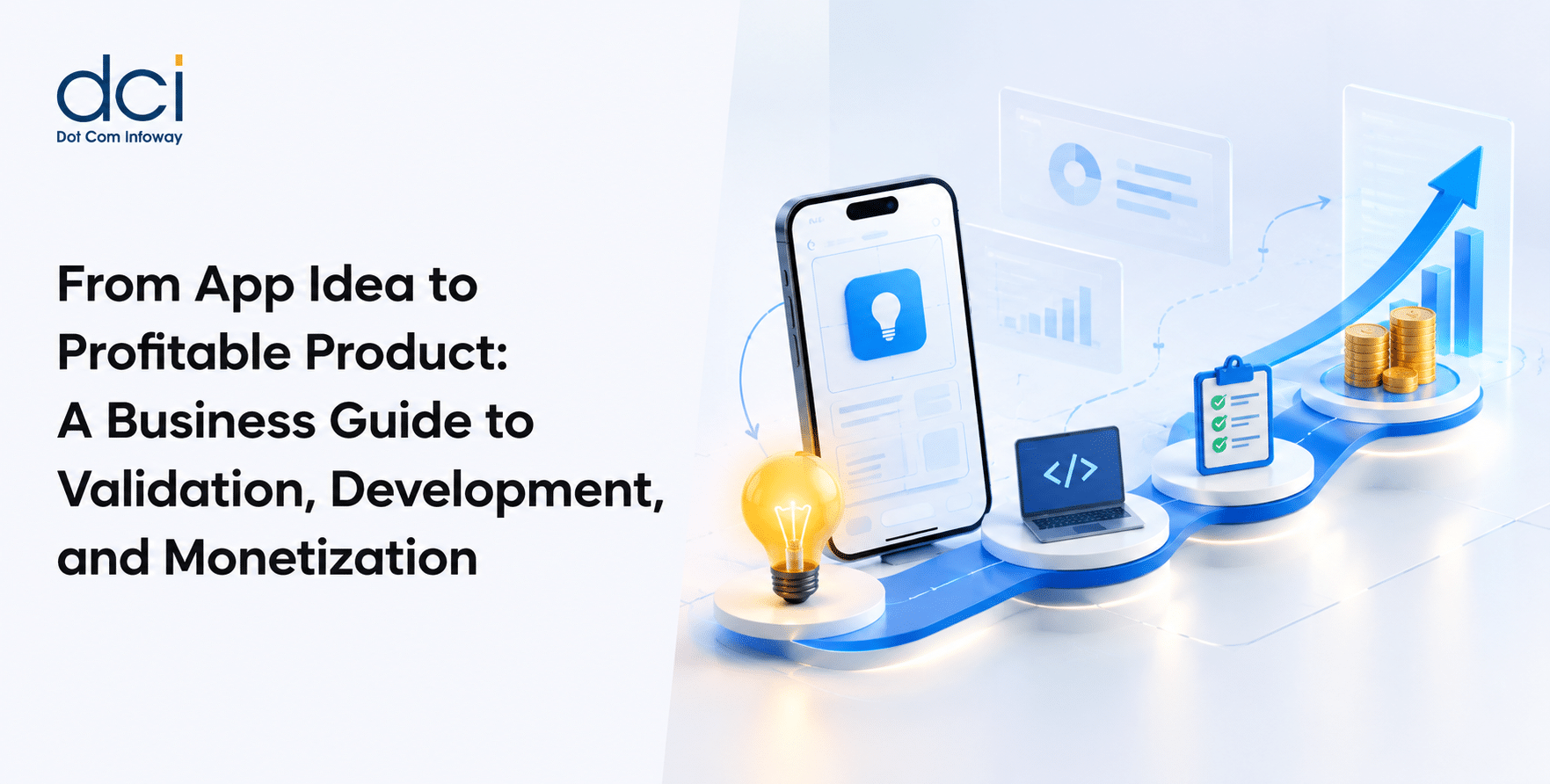
Every business wants to turn its ideas into successful applications. However, many organizations invest in development and distribution without knowing whether their products will attract customers or generate revenue. As a result, they waste resources creating applications that may...
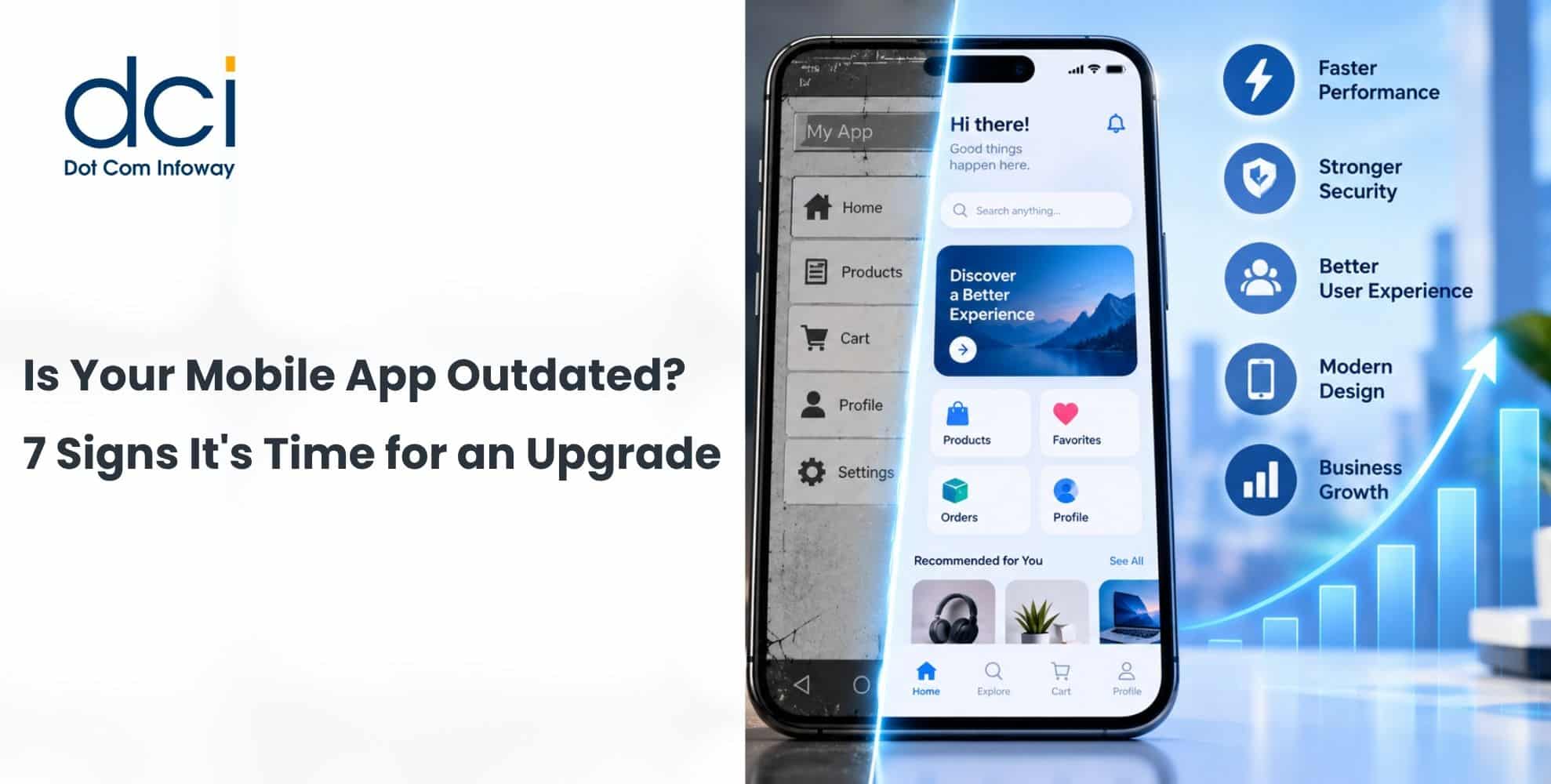
Your app launched to great reviews, but a few years on, downloads have flattened and complaints are creeping in. If your business needs a mobile app upgrade, it may be time to consider modernizing it. Devices, operating systems, and...
For years, the mobile experience has followed a familiar pattern: users open an app, navigate through menus, enter information, select an action, and wait for a result.
Agentic AI is beginning to change that model.
Instead of requiring users to manually...
You publish high-quality content, optimize your website, and follow SEO best practices, but your pages still struggle to appear on search engines. You are not alone. Many businesses face the same challenge where their content exists online but fails...
A website can appear successful on the surface while quietly developing problems underneath. It may load correctly, handle current visitors, and support existing business operations, but that does not always mean it has a scalable website architecture prepared for...
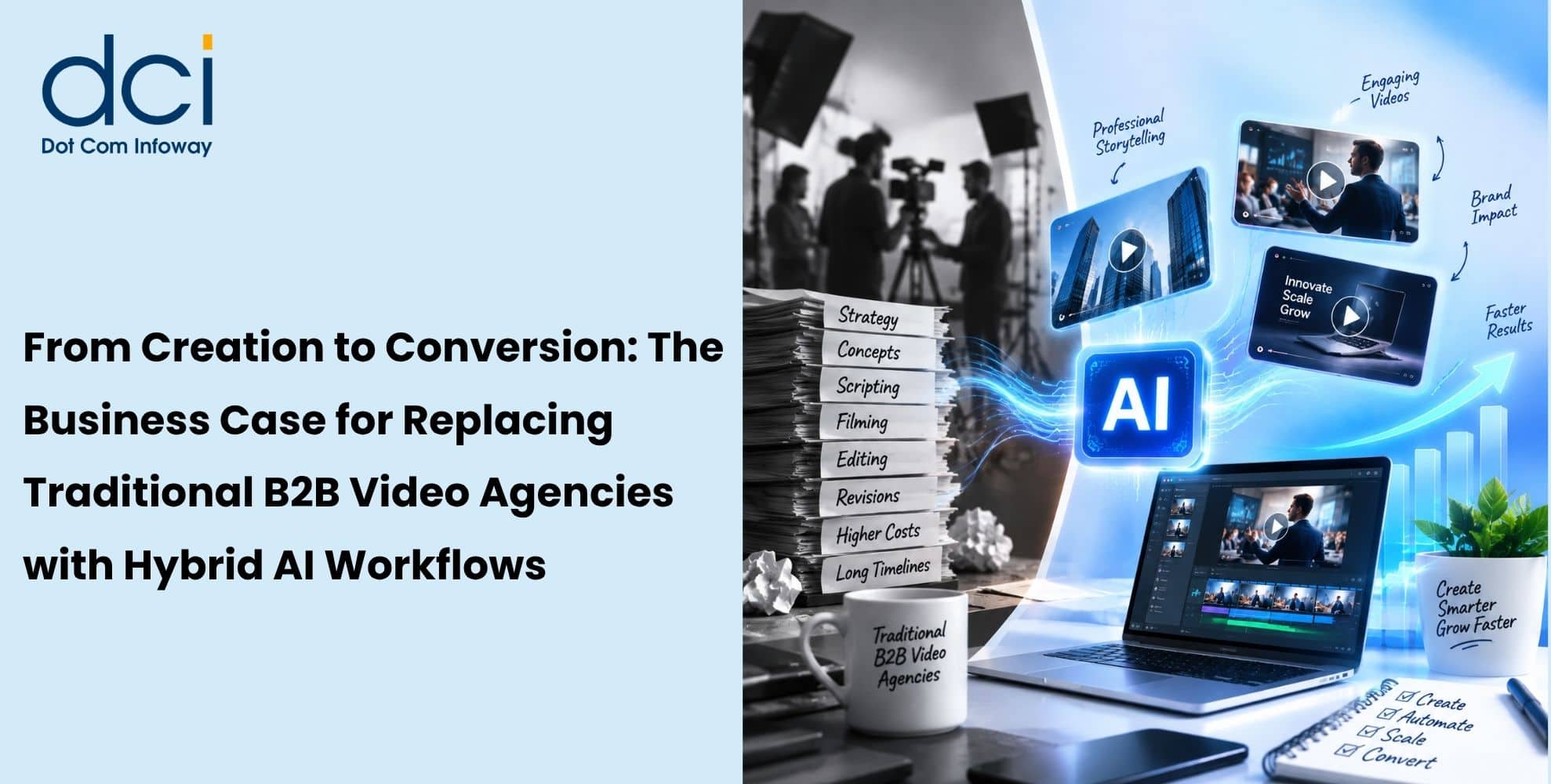
Video has become one of the most important communication tools for modern B2B businesses. Companies use videos to explain complex products, showcase solutions, educate customers, support sales teams, and build stronger brand connections. However, as businesses demand more content...
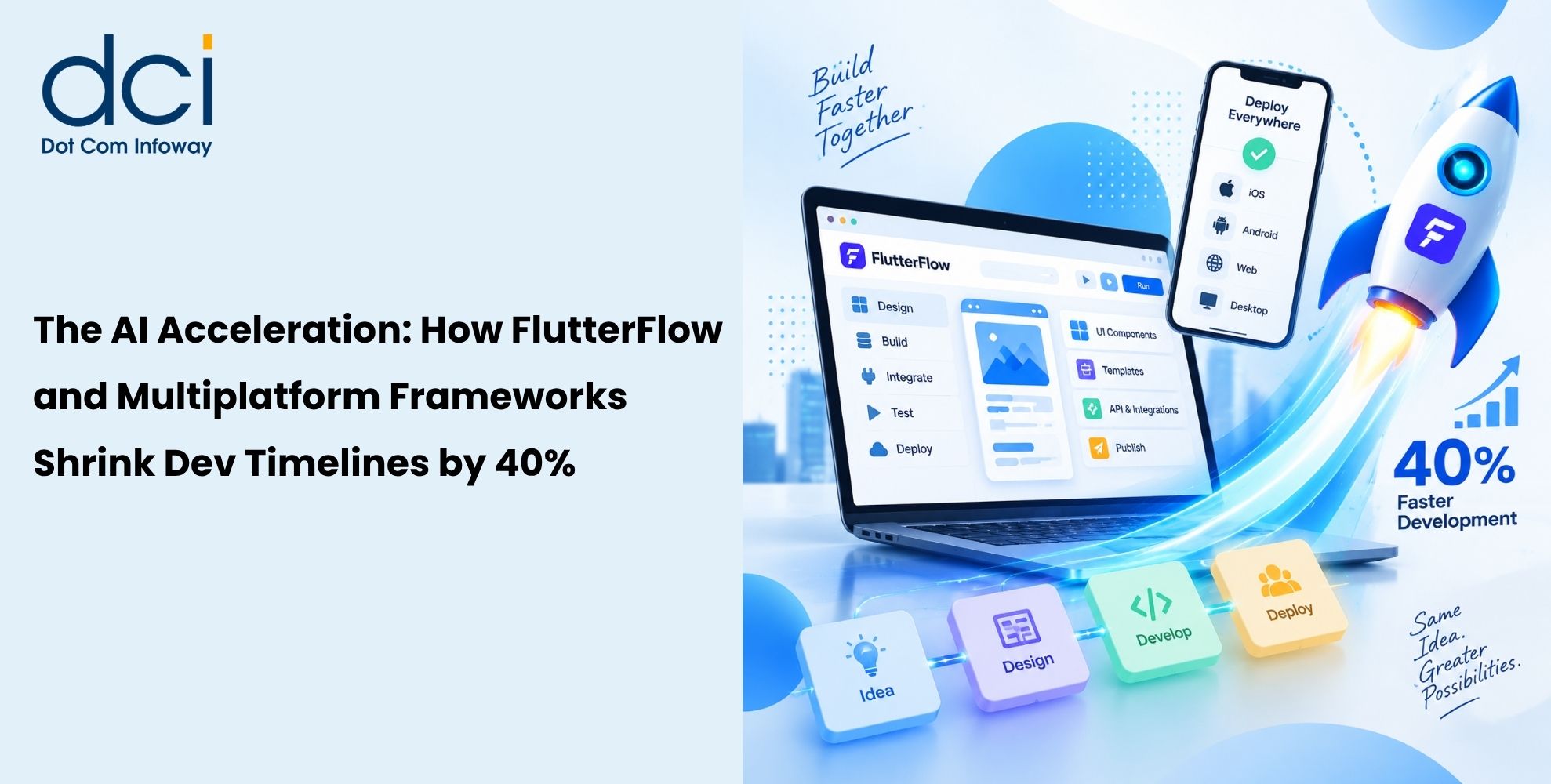
The mobile app development landscape is changing faster than ever. Businesses today need powerful digital products delivered quickly, but traditional development processes often involve long coding cycles, separate teams for different platforms, and higher development costs.
The rise of AI-powered...
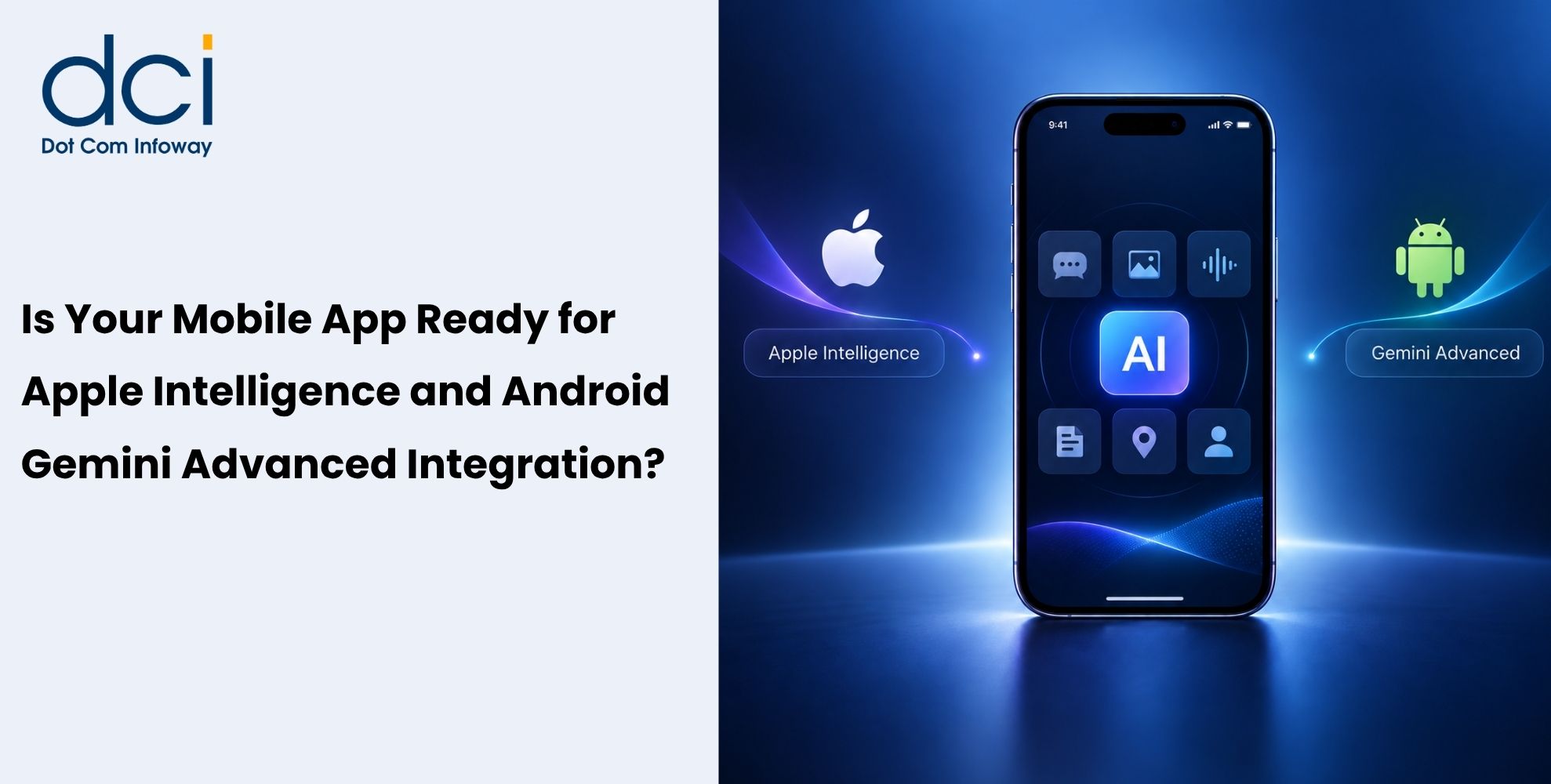
The mobile industry is moving from traditional application experiences toward intelligent, adaptive platforms. Businesses today need AI-ready mobile apps that can support emerging technologies like Apple Intelligence and Android Gemini Advanced to deliver faster, smarter, and more personalized user...







![The Game Marketing Guide: Pre and Post-Launch Strategies [Infographic]](https://www.dotcominfoway.com/wp-content/uploads/2023/09/DCI-Game-Marketing-blog-1.jpg)